Shandong Xiangying New Materials Technology Co., Ltd.

Choosing the 2026 Best Wpc BoardTypes for Global Buyers requires more than comparing prices or surface colors. Different projects demand different structures, densities, finishes, and maintenance expectations. A hollow Wpc Board may reduce weight and installation costs, while a solid board can provide stronger screw retention and impact resistance. Co-extruded boards add a protective outer layer, often improving stain resistance in busy outdoor areas.
Real purchasing decisions begin with the site. A humid balcony, a commercial walkway, and an interior wall need different performance priorities. Buyers should examine water absorption, thermal expansion, slip resistance, UV stability, fire documentation, and available thicknesses. Ask for recent test reports. Confirm whether testing follows recognized ASTM, EN, or ISO methods.
Details matter.
Supplier experience also deserves close attention. Reliable manufacturers should explain raw material ratios, production controls, warranty limits, and installation requirements. Product samples can reveal uneven embossing, weak edges, or color differences that brochures rarely show. Packaging quality matters too, especially after long-distance shipping and warehouse storage.
Still, no single board wins every project. That assumption often fails. Some premium surfaces may cost more without solving a buyer’s main problem. In other cases, a low-priced board may create higher maintenance costs later. This guide compares major WPC board types through practical performance, verified documentation, climate suitability, and lifecycle value. It also recognizes an uncomfortable point: published specifications do not always reflect jobsite results. Careful buyers should question unclear claims, request independent evidence, and match each board to its actual environment.
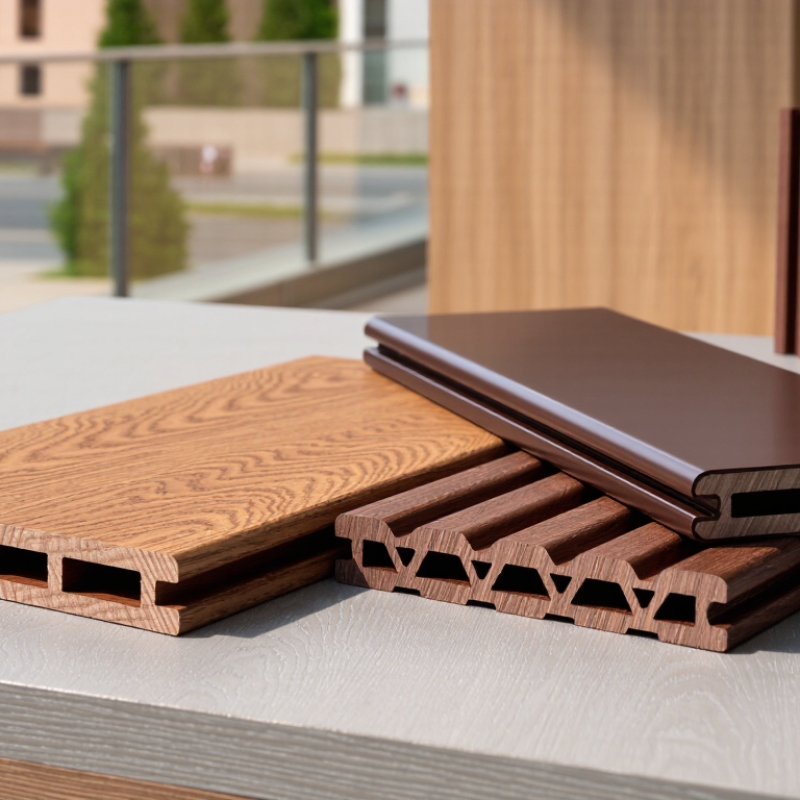
WPC board, or wood-plastic composite board, combines wood fibers with thermoplastic materials and performance additives. It offers a useful balance between natural appearance and engineered durability. For global buyers, this material matters because it can handle moisture, insects, and repeated daily use better than many conventional Wood Panels.
A Pvc Wpc Board is often selected for wall cladding, outdoor furniture, partitions, and decorative surfaces. Its low water absorption can reduce swelling in humid climates. However, buyers should check the board’s density, surface hardness, fire performance, and formaldehyde documentation. Appearance alone is not enough. A sample may look excellent under showroom lighting but reveal uneven color after installation.
In practical inspections, edge quality often exposes manufacturing weaknesses. Buyers should examine cut sections, screw-holding strength, surface flatness, and color consistency. They should also ask for test reports from qualified laboratories, not only factory claims. Temperature changes can cause expansion, especially on long exterior panels. Proper gaps and suitable fasteners are necessary.
No board is perfect. WPC can be heavier than ordinary plastic and may cost more than basic wood panels. Recycling can also be complicated when wood fibers, polymers, and additives are tightly combined. I have seen projects choose the cheapest option, then spend more on repairs. That mistake is easy to repeat. Supplier communication, technical drawings, batch records, and installation guidance deserve the same attention as price.
WPC board is a composite material made from wood fiber or wood flour, thermoplastic polymer, and functional additives. The chart compares representative formulations of the three most common polymer-based WPC board types: PE-WPC, PVC-WPC, and PP-WPC.
PE-WPC is widely used for outdoor decking and landscaping because of its moisture resistance. PVC-WPC is commonly selected for Wall Panels, doors, and interior applications because of its dimensional stability and low maintenance. PP-WPC offers good stiffness and heat resistance for automotive, furniture, and technical applications. Actual formulations vary according to the product specification, manufacturing process, and applicable standard.
WPC boards are best classified by core material and manufacturing method.
The common core combines wood flour or fiber with thermoplastics such as PE, PP, or PVC.
Wood-rich cores usually provide a warmer surface and easier machining.
Polymer-rich cores often improve moisture resistance and dimensional stability.
Mineral-filled cores can increase stiffness, but they may feel heavier and more brittle.
Manufacturing changes the board’s performance. Extrusion produces continuous profiles, including hollow or solid boards, with consistent thickness. Hot pressing creates flatter panels and can support higher fiber loading. Injection molding suits shaped components, not usually large flat boards.
Grand View Research reported that the global WPC market reached about USD 7.12 billion in 2023, with growth expected through 2030. MarketsandMarkets also identifies construction and automotive uses as major demand areas.
These figures show market momentum, but they do not guarantee equal quality across suppliers. Resin ratio, fiber moisture, and surface treatment still matter. The classification is useful, but not perfect.
Tips:
Ask for the core formulation, fiber percentage, density, water absorption, and test standard.
Request samples after outdoor exposure, not only fresh factory samples.
Check whether extrusion lines use calibrated cooling, because uneven cooling can cause board warping.
Recycled content may lower environmental impact, yet inconsistent feedstock can affect color and strength.
A low-cost board can look acceptable at delivery, then expand around wet joints.
That detail is easy to miss.
For interior applications, solid WPC boards offer a stable, refined surface for wall panels, cabinet fronts, partitions, and moisture-prone rooms. Their dense cores resist dents better than many hollow profiles. They also accept precise cutting, edge finishing, and concealed fastening. However, excessive heat can cause expansion, especially near large windows. Allow movement gaps during installation.
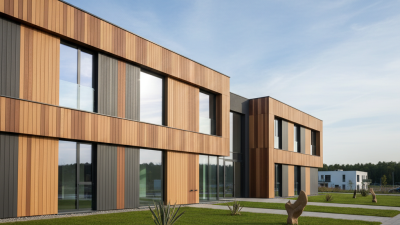
Exterior projects require stronger moisture and ultraviolet protection. Co-extruded WPC boards include a protective outer layer that helps reduce fading, staining, and water absorption. They suit façades, balcony screens, fences, and outdoor ceilings. Hollow boards are lighter and easier to transport, but their internal ribs need proper support spacing. Weak framing can produce vibration, uneven joints, or visible deflection.
Structural applications need more caution. Reinforced WPC boards may work for non-critical platforms, steps, or supporting elements when tested for load, span, fire behavior, and temperature changes. Ordinary decorative boards should never replace engineered structural materials without verified data. Check thickness, density, screw-holding strength, drainage, and installation tolerances with project engineers. A practical test helps: expose a sample to moisture, sunlight, and repeated fastening before approving large quantities. Results may reveal surprises.
Choosing the best WPC board starts with the project’s real exposure, not appearance alone. A Hollow Board Wpc Decorative Wall Panel may look refined, but its internal structure needs close inspection. Check board density, rib spacing, surface hardness, and screw-holding strength. A dense board usually resists dents better under frequent contact. However, excessive density can increase weight and installation effort. No board wins every test.
For durability, examine color stability, impact resistance, and edge quality after cutting. Ask for test data covering water absorption, thickness swelling, and freeze-thaw performance. Moisture resistance is not simply waterproofing. Water can enter through joints, drilled holes, or damaged edges. In humid rooms, boards with sealed surfaces and properly protected cores are safer choices. I would also inspect samples after soaking them for 24 to 48 hours. Small changes matter. Warped corners often reveal weak manufacturing control.
Tips: Compare samples from the same production batch. Measure thickness with calipers, press the surface with a fingernail, and inspect the cut edge. Request installation guidance for local temperature changes. Leave suitable expansion gaps. A board can perform well in a laboratory, yet fail when ventilation is poor or installers rush the joints. Review supplier test reports, but verify important claims independently before ordering large volumes.
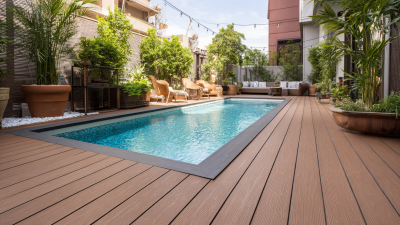
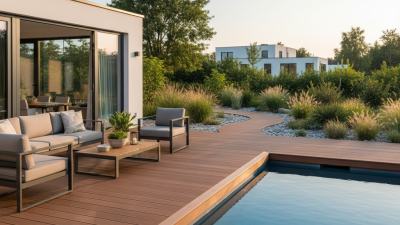
In 2026, global buyers are requesting more than basic brown Wpc Decking Board profiles. They want surfaces that look natural, resist staining, and remain comfortable under strong sunlight. Grand View Research valued the global wood plastic composites market at about USD 7.5 billion in 2023, with strong growth expected through 2030. This wider market trend supports greater finish and color selection, although decking demand varies by climate and building codes.
Common finishes include brushed woodgrain, embossed grain, matte textures, and capped surfaces with improved resistance to moisture and fading. Natural oak, teak, walnut, grey, charcoal, and sand tones are widely specified. Light colors can reduce heat absorption, while dark boards create a sharper architectural appearance. A dark board can look elegant, but I would not specify it blindly. Surface temperature, ventilation, and barefoot use matter.
Typical decking widths range from 135 to 150 millimeters, while thicknesses often fall between 20 and 25 millimeters. Lengths may range from approximately 2.9 to 5.8 meters, depending on the production line and export market. Buyers should confirm actual dimensions, not only nominal sizes. The ASTM International standards framework and regional construction requirements can help guide slip, load, and installation checks. Color matching is still imperfect. Requesting physical samples remains essential, especially when comparing capped and uncapped boards under outdoor light.
When buying WPC boards internationally in 2026, certifications deserve more attention than attractive samples. A supplier may describe a product as a Waterproof Outdoor Wpc Deck Board, but “waterproof” is not always a recognized performance class. Ask for water absorption data, dimensional stability, slip resistance, UV exposure results, and freeze-thaw testing. Request the complete test report, not only a certificate image.
For outdoor decking, EN 15534 can help buyers assess wood-plastic composite profiles in relevant markets. ASTM D7031 and ASTM D7032 may support evaluation of material performance and structural decking requirements in North America. These standards do not automatically apply to every project. Confirm the product type, testing method, load conditions, and report date. CE marking may be relevant for certain construction applications, but it is not a universal approval for all WPC boards. Check the destination market carefully.
Factory management certificates such as ISO 9001 and ISO 14001 can indicate controlled processes, but they do not prove every board is durable. If wood fiber is used, verify its legal and traceable sourcing documentation. REACH or similar chemical compliance records may also matter for restricted substances. In supplier reviews, I would compare the tested batch with the production sample, including color, surface texture, and moisture behavior. Certificates can expire. Reports can be incomplete. That uncomfortable detail is easy to overlook. A local laboratory retest may be worthwhile before placing a large order.
Buyer-oriented comparison of common wood-plastic composite board categories, performance criteria, and internationally recognized testing or conformity references. Requirements vary by product use, destination market, and declared performance.
| WPC Board Type | Typical Construction | Best-Fit Applications | Key Performance Characteristics | Relevant Standards and Test References | Documents or Certifications to Check | Main Limitations and Buyer Risks |
|---|---|---|---|---|---|---|
| Solid WPC Decking Board | Wood flour or fibers combined with a thermoplastic matrix such as PE, PVC, or PP. Solid cross-section provides greater mass and fastening support than hollow profiles. | Residential terraces, balconies, garden walkways, pool surrounds, and other horizontal outdoor surfaces where impact resistance is important. | Good dimensional stability compared with untreated wood; higher weight and material consumption than hollow boards; surface can become hot in direct sun. | EN 15534-1 General characteristics and test methods for wood-plastic composites. EN 15534-4 Relevant for decking profiles in European specifications. ASTM D7032 Performance evaluation framework for composite decking and guardrail systems. ASTM D6662 Plastic lumber decking boards, where applicable. | Product test report; span tables; slip-resistance data; water absorption and dimensional-change results; fastener compatibility; UV and color-retention data; installation instructions. | Not automatically structural. Joist spacing, load limits, fire classification, and slip performance must be verified for the intended project and climate. |
| Hollow WPC Decking Board | Extruded board with internal chambers or ribs. Usually lighter than a solid profile and often designed for concealed or side-mounted fastening systems. | Large residential decks, rooftop terraces, balconies, and projects where reduced dead load and easier handling are priorities. | Lower weight and efficient material use; adequate outdoor durability when correctly designed; internal cavities can affect impact resistance and end detailing. | EN 15534-1 General WPC test methods. EN 15534-4 Decking profile requirements and evaluation in the European context. ASTM D7032 System-level decking performance assessment. ASTM D790 Flexural properties, when specified by the test program. | Profile geometry and wall-thickness data; tested span and load tables; end-cap or drainage details; pull-out and fastener tests; freeze-thaw and water-exposure results. | Hollow chambers may retain water if drainage is poor. Crushing, end splitting, and inadequate support spacing are common risks when installation data is incomplete. |
| Co-Extruded or Capped WPC Board | WPC core covered by a polymer-rich protective cap, commonly designed to reduce moisture and staining at the exposed surface. | Premium decking, high-traffic outdoor areas, hospitality projects, and locations requiring improved stain and weathering resistance. | Improved resistance to surface staining, moisture penetration, and color change compared with many uncapped products; core and cap may expand differently. | EN 15534-1 Composite material and general performance tests. EN 15534-4 Decking profile evaluation where applicable. ISO 4892-3 Accelerated weathering using fluorescent UV lamps and water exposure. ASTM G154 Fluorescent UV exposure, where this method is specified. | Cap thickness and adhesion; weathering color-change results; stain-resistance test method; surface-slip data; cut-edge sealing requirements; warranty exclusions. | A cap does not make the product maintenance-free or fireproof. Scratches, cut edges, thermal movement, and inconsistent color between production batches should be assessed. |
| WPC Wall Cladding Board | Extruded solid, hollow, or ribbed boards used as a ventilated façade or decorative wall-covering system. | Exterior façades, soffits, garden structures, balcony screens, and interior feature walls, subject to the product’s approved use. | Low routine painting requirements and resistance to ordinary outdoor moisture; façade performance depends on the complete wall system, not only the board. | EN 15534-1 General WPC characteristics and test methods. EN 15534-5 Relevant for cladding profiles in European specifications. EN 13501-1 Reaction-to-fire classification for construction products. ASTM E84 Surface-burning characteristics where required by the project or authority. | Reaction-to-fire classification; wind-load and fixing design; UV and moisture test reports; façade installation manual; ventilation and drainage details; system-level technical assessment. | Decorative cladding should not be treated as a load-bearing wall. Fire, wind, cavity barriers, and local façade regulations may require project-specific approval. |
| WPC Fencing and Privacy Board | Solid or hollow extruded profiles, often installed between posts with rails, brackets, or interlocking edges. | Residential privacy fencing, garden partitions, balcony screening, and low-maintenance boundary systems. | Good resistance to routine outdoor humidity and insects; wind resistance is governed mainly by post spacing, post foundation, and the complete fence design. | EN 15534-1 General WPC testing. ISO 4892-3 Accelerated UV and water exposure. ASTM D7032 Useful for relevant composite profile performance evaluation, where applicable. Local wind-load codes must also be applied. | Wind-load test or calculation; post and bracket specifications; thermal-expansion allowances; UV color-retention data; impact resistance; installation details for concrete or soil foundations. | Continuous solid fencing creates substantial wind load. Boards can move with temperature changes, and unsupported spans may warp or fail. |
| WPC Interior Wall or Ceiling Board | Decorative WPC panels or profiles, usually lighter than exterior decking and frequently produced with embossed, grooved, or laminated surfaces. | Interior feature walls, ceilings, retail displays, hospitality interiors, and dry or moderately humid rooms. | Fast installation and low painting requirements; acoustic, moisture, and fire behavior vary significantly by formulation and panel structure. | EN 13501-1 Reaction-to-fire classification for European construction applications. ASTM E84 Surface-burning characteristics where required. ISO 2813 Gloss measurement where a gloss specification is declared. Moisture and dimensional-stability methods should be stated in the test report. | Fire classification for the exact thickness and finish; formaldehyde or VOC test results where indoor-air rules apply; moisture resistance; acoustic data only if independently tested; cleaning instructions. | Do not assume exterior suitability from an interior panel. Bathrooms, kitchens, escape routes, and public buildings may require additional fire, moisture, and emissions documentation. |
| Recycled-Content WPC Board | Board made partly or mainly from recycled polymer and recycled wood fiber. Recycled content may be pre-consumer, post-consumer, or a stated combination. | Projects with recycled-content targets, public procurement requirements, landscape products, and non-critical architectural applications. | Can reduce dependence on virgin raw materials; performance depends on feedstock consistency, contamination control, stabilizers, and process quality. | ISO 14021 Self-declared environmental claims, including recycled-content claims. ISO 14025 Principles for Type III environmental declarations. EN 15804 Core rules for construction-product environmental declarations in Europe. Product-performance testing remains necessary under EN 15534 or ASTM references. | Independent chain-of-custody or mass-balance evidence where claimed; recycled-content percentage and calculation method; batch traceability; contaminant controls; EPD or third-party environmental verification when required. | “Eco-friendly” is not a performance certification. Recycled content does not by itself prove durability, low emissions, recyclability at end of life, or compliance with building codes. |
| Heavy-Duty or Structural-Claim WPC Profile | Engineered profile designed for higher loads or demanding service conditions. It may use reinforcement, modified geometry, or a specialized polymer matrix. | Commercial decking, pedestrian platforms, steps, benches, or engineered components only where the supplier provides verified design values. | Potentially higher stiffness and load capacity than decorative profiles; creep, temperature, moisture, and connection behavior require engineering assessment. | ASTM D7032 Performance criteria for composite decking and guardrail systems. ASTM D6109 Flexural properties of plastic lumber and shapes. ASTM D2915 Sampling and data analysis for structural wood products, when relevant to the test plan. Applicable national structural codes must be confirmed. | Engineering design values; long-term creep data; concentrated-load tests; connection and fastener capacity; fire and slip classification; third-party laboratory reports; professional engineer review where required. | “Heavy-duty” is a marketing term unless supported by verified design values. Decorative WPC boards must not be substituted for structural members without approval. |
For global buyers, selecting a WPC board supplier requires more than comparing catalog prices. A reliable supplier explains the board’s wood-plastic ratio, core structure, surface treatment, and intended use. Ask for technical data, not polished promises. Samples should show straight edges, even color, clean cutting, and stable dimensions after conditioning. Samples matter. I also check packaging details, because damaged corners can erase a low unit price.
Request recent test reports from an independent laboratory when possible. Useful data includes density, water absorption, flexural strength, screw-holding performance, and flame behavior where relevant. The report should identify the tested product and match the production specification. Some suppliers provide certificates describing a different model. That mistake is easy to overlook.
A factory audit, video inspection, or paid pre-shipment inspection can reveal moisture control, mixing equipment, and actual storage conditions.
Ask how the supplier handles color variation, rejected boards, mold adjustments, and complaints. Clear answers suggest a working quality system. Confirm minimum order quantities, lead times, spare packing materials, payment stages, and shipping documents in writing.
Do not judge reliability from one successful shipment. A pilot order with independent inspection gives better evidence than a long sales presentation. My own selection process is not perfect; I once valued fast replies too highly and ignored weak test records. That lesson still matters.
WPC boards commonly combine wood flour or fiber with thermoplastics. Common polymers include PE, PP, and PVC. Wood-rich cores feel warmer and machine more easily. Polymer-rich cores usually resist moisture better. Mineral-filled cores can increase stiffness but add weight. The classification is useful, not perfect.
Extrusion creates continuous hollow or solid profiles with consistent thickness. Hot pressing produces flatter panels and supports higher fiber loading. Injection molding suits shaped parts more than large flat boards. Cooling control matters greatly during extrusion. Uneven cooling can cause warping.
Ask for the resin type, fiber percentage, density, and water absorption. Request the testing method and applicable standard. Check fiber moisture during production. Surface treatment also affects outdoor performance. Recycled content may reduce environmental impact. Inconsistent recycled feedstock can affect color and strength.
Compare density, rib spacing, surface hardness, and screw-holding strength. Dense boards usually resist dents better during frequent contact. However, high density increases weight and installation effort. Inspect the cut edge for voids or weak zones. Use a caliper to confirm thickness. No single test decides everything.
Examine water absorption and thickness swelling data. Also review freeze-thaw performance when outdoor temperatures change. Water may enter through joints, holes, and damaged edges. Sealed surfaces and protected cores help in humid rooms. Soak samples for 24 to 48 hours. Small changes matter.
Leave suitable expansion gaps for temperature changes. Protect drilled holes and freshly cut edges. Provide ventilation behind boards where possible. Poor ventilation can trap moisture. Rushed joints may fail. That risk is easy to miss.
Common finishes include brushed grain, embossed grain, matte textures, and capped surfaces. Popular colors include oak, teak, walnut, grey, charcoal, and sand. Light colors generally absorb less heat. Dark colors create a sharper appearance but may become hot. Consider sunlight, ventilation, and barefoot use. Appearance alone is not enough.
Decking widths commonly range from 135 to 150 millimeters. Typical thicknesses range from 20 to 25 millimeters. Lengths may range from about 2.9 to 5.8 meters. Actual sizes depend on production lines and export markets. Confirm measurements instead of trusting nominal dimensions. Physical samples remain essential.
This guide explains how Wpc Board products are made, classified, and selected for international projects in 2026. It introduces the role of wood-plastic composite boards in sustainable construction and compares different core materials, production methods, and performance characteristics. Buyers will learn how to match board types with interior decoration, exterior cladding, landscaping, furniture, and structural applications while considering strength, dimensional stability, impact resistance, moisture protection, and long-term durability.
The article also reviews available surface finishes, colors, textures, thicknesses, and standard sizes to support practical design and purchasing decisions. It highlights the importance of checking relevant international quality, safety, environmental, and performance certifications before placing an order. Finally, it provides guidance on evaluating suppliers through product consistency, manufacturing capacity, testing documents, customization options, packaging, communication, and after-sales support, helping global buyers reduce sourcing risks and choose suitable WPC solutions with confidence.