Shandong Xiangying New Materials Technology Co., Ltd.

The 2026 Top Panel De Wpc Trends really offer some valuable insights for buyers around the world. As the market keeps shifting, Wpc Panel technology is just getting more and more popular. It’s this eco-friendly, super versatile material that people are using in all sorts of ways. Companies are really pushing to come up with new ideas to keep up with what consumers want.
One big reason for the buzz is definitely the push toward more sustainable building practices. Wpc Panels aren’t just tough and durable—they also look great, which is a win-win. That said, there are still some hurdles, like making sure the quality stays consistent and the materials meet standards. It’s pretty important for manufacturers to sort out these issues if they want to keep consumers happy and trusting the products.
Lately, there’s been a clear move towards more innovative design and better functionality. Customers are more interested than ever in options they can customize—think different finishes, colors, and styles—things that can really make a product stand out. But at the same time, companies need to find that sweet spot between being creative and practical. Striking that balance isn’t always easy; it takes continuous thinking, learning, and adjusting as the industry evolves.
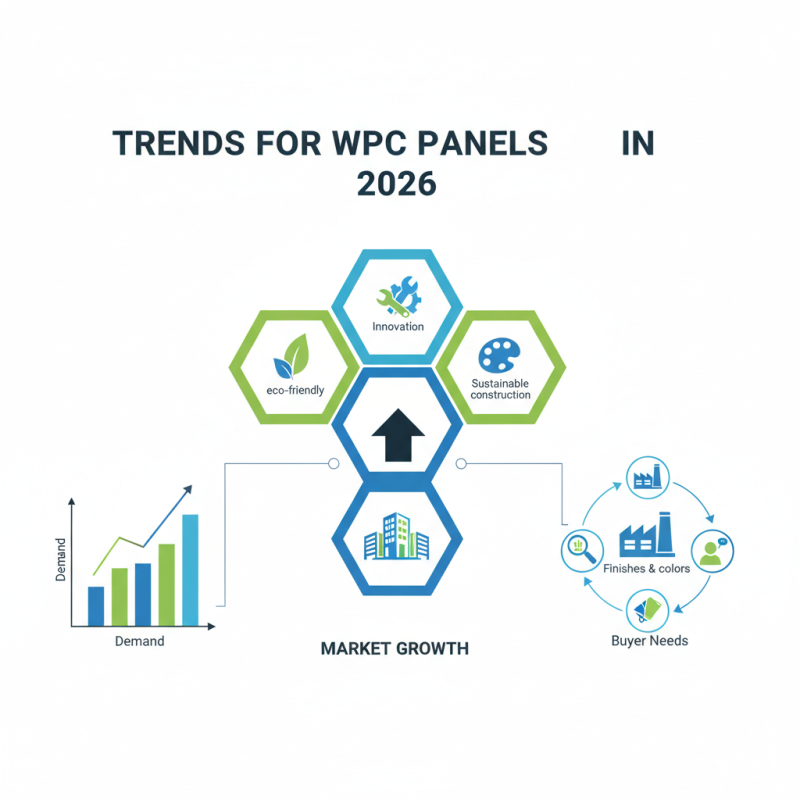
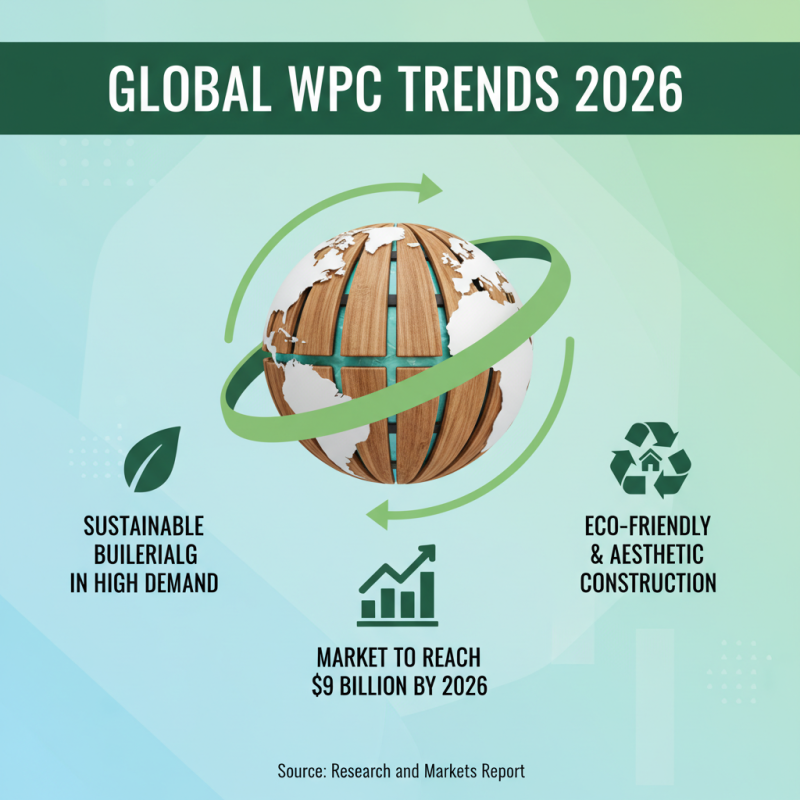
As the demand for sustainable building materials grows, WPC (Wood Polymer Composite) is gaining traction globally. According to a report by Research and Markets, the WPC market is expected to reach $9 billion by 2026, driven by the increasing awareness of eco-friendly products. This trend reflects a shift towards materials that not only enhance aesthetics but also promote sustainability in construction.
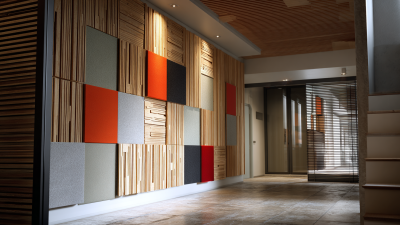
Wpc Wall Panel Interior designs are becoming popular among architects and designers. These panels offer a versatile solution for interior spaces, combining durability with an attractive finish. The materials used in these panels have shown a 15% improvement in thermal insulation over traditional materials. This efficiency is appealing, especially as energy costs rise.
However, challenges remain in the WPC market. Scaling production to meet rising demand while maintaining quality is a critical issue. The industry also faces scrutiny regarding the sourcing of raw materials and their biodegradability. Continuous innovation is essential to address these concerns effectively. Stakeholders must collaborate to ensure a sustainable future for WPC products.
Innovative materials and technologies are transforming WPC (Wood-Plastic Composite) production. The focus is on sustainability and performance. Wpc Ceiling Panels have gained popularity due to their unique benefits. Manufacturers are using recycled materials, which helps reduce waste. This process often leads to a lower carbon footprint.
Advanced technologies are also making strides in production efficiency. For instance, 3D printing and automated processes are becoming commonplace. These methods allow for intricate designs and faster production times. However, not all innovations are perfect. There may be quality control challenges that need addressing. Over time, producers must find a balance between innovation and reliability.
Emerging trends in the WPC sector show a clear preference for eco-friendly options. Biodegradable additives and plant-based fibers are on the rise. As consumers demand more sustainable choices, the industry must adapt. Failing to keep up could lead to missed opportunities. The advancements in WPC Ceiling Panels highlight both the potential and the questions surrounding future developments.
| Trends | Description | Impact on Industry | Expected Adoption Rate (%) |
|---|---|---|---|
| Eco-friendly Materials | Increased use of recycled and sustainable materials in WPC production. | Reduces environmental impact and meets consumer demand for sustainability. | 75% |
| Advanced Coatings | Development of new coatings for durability and improved aesthetics. | Enhances product performance and market competitiveness. | 60% |
| Smart Manufacturing | Integration of IoT and automation in WPC production lines. | Improves efficiency and reduces production costs. | 50% |
| Customization & Design Flexibility | Increased demand for customizable WPC products. | Meets diverse consumer preferences and enhances value. | 70% |
| Enhanced Durability Products | Focus on producing longer-lasting WPC products. | Reduces waste and increases customer satisfaction. | 65% |
The WPC (Wood Plastic Composite) industry is evolving rapidly with a strong focus on sustainability practices. Manufacturers are increasingly using recycled materials in their products, reducing waste and minimizing environmental impact. This shift not only conserves natural resources but also promotes a circular economy. By incorporating reclaimed wood fibers and plastic wastes, companies can create durable products while safeguarding the planet.
However, there are challenges. Many firms still rely on virgin materials due to cost factors. This reliance can hinder progress towards sustainability goals. The use of non-renewable resources raises questions about long-term viability. In addition, some companies fail to disclose the sources of their materials. Transparency is essential for consumers seeking eco-friendly options.
Moreover, the push for sustainability means improving production processes. Energy-efficient manufacturing methods are crucial. Yet, implementing such practices can be expensive and time-consuming. Companies must weigh the benefits of sustainability against potential increases in production costs. As the WPC industry moves forward, it must find a balance that satisfies both ecological responsibilities and economic realities.
The demand for WPC (Wood Plastic Composite) products has witnessed significant growth. Industry experts forecast the market size to reach over $10 billion by 2026. A recent report highlights that around 60% of global buyers prefer environmentally friendly materials. This trend is reshaping how manufacturers approach production. Sustainability is no longer an option; it is a necessity.
Consumers are increasingly leaning towards versatile applications of Panel Wpc Interior for residential and commercial spaces. The low maintenance and durability of these products appeal to a growing demographic seeking long-lasting solutions. Interestingly, about 45% of surveyed consumers consider aesthetics as a top priority. This shift indicates a need for innovation in design alongside performance.
However, challenges remain. Some manufacturers struggle to balance cost and quality. Reports show that a significant percentage of buyers are disappointed in the finish and texture of WPC products. This inconsistency can deter potential consumers. Continuous improvement in production techniques and raw materials is essential to meet rising expectations and maintain consumer trust.
The WPC sector is evolving rapidly. Key players are focusing on sustainable sourcing and innovative designs. They prioritize eco-friendly materials to appeal to an environmentally conscious market. This commitment to sustainability boosts their credibility and attracts global buyers.
Competition is fierce among leading manufacturers. They invest significantly in research and development. Innovations in durability and aesthetic appeal are crucial. Ensuring quality remains a challenge. Some companies struggle to maintain standards while scaling production. Balancing cost with high-quality output is essential for market success.
Understanding market dynamics is vital for stakeholders. Keeping up with consumer preferences can be daunting. Many companies rely on trend analysis to anticipate changes. However, misjudging these trends could lead to wasted investments. Continuous analysis and adaptation are necessary for long-term success in the WPC landscape.
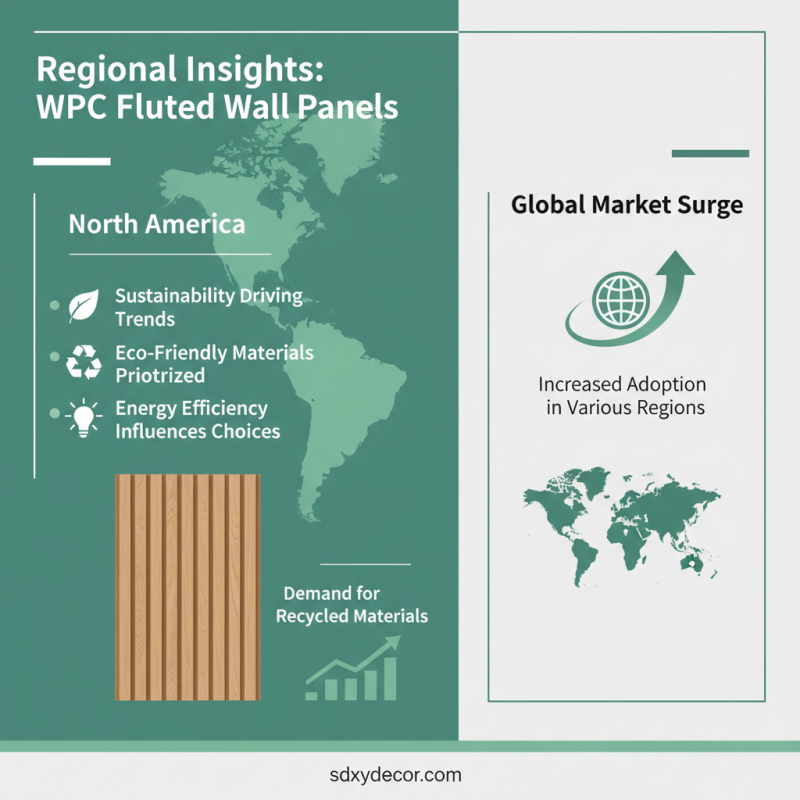
In recent years, the demand for Wpc Fluted Wall Panels has surged across various global markets. In North America, sustainability is driving trends. Buyers prioritize eco-friendly materials. This shift is influencing design choices. Many consumers now favor products made from recycled materials. The desire for energy efficiency also plays a role in purchasing decisions.
In Europe, minimalism remains a key trend. Wpc Fluted Wall Panels fit well into contemporary designs. They offer not just aesthetics, but also durability. Buyers appreciate products that are both stylish and functional. Moreover, there’s a growing interest in customization. More consumers want panels that can be tailored to their specific décor needs.
Asian markets are seeing a blend of traditional and modern styles. Wpc Fluted Wall Panels are becoming popular in residential and commercial projects. However, regulatory challenges can hinder market growth. Environmental regulations vary significantly across countries. This inconsistency can pose difficulties for manufacturers and buyers alike. Adaptability is essential for players in the market to thrive.
The WPC industry faces numerous challenges and opportunities as we move towards 2026. A recent report from the Research Institute indicates that biocomposite materials, such as wood-plastic composites, are expected to grow at a CAGR of 11% from 2021 to 2026. This surge is driven by increasing environmental concerns and the demand for sustainable building materials. However, WPC manufacturers must navigate fluctuating raw material costs and regulatory pressures.
One significant challenge is sourcing quality materials. As competition heats up, suppliers are pressured to meet eco-friendly standards while maintaining cost-effectiveness. Adapting to changing customer preferences also poses hurdles. Many consumers now prefer products that boast durability and low maintenance. Thus, it’s crucial for manufacturers to innovate and refine their offerings continuously.
**Tip:** Focus on enhancing your product's ecological footprint. Highlight sustainability in your marketing strategies to attract environmentally-conscious consumers. Exploring new formulations and processes can help maintain a competitive edge.
Another consideration is technological advancement. Embracing automation and smart manufacturing can improve efficiency and reduce waste. However, the initial investment can be daunting, and companies need to assess their financial readiness. Remember, the path to innovation carries risks, but the potential rewards can be substantial.
**Tip:** Collaborating with research institutions can provide valuable insights and access to cutting-edge technologies. Stay informed about industry developments through trade journals and symposia to remain competitive.
: WPCs are Wood-Plastic Composites. They are popular for their eco-friendly benefits and unique performance.
Manufacturers use recycled materials to reduce waste. This practice lowers the carbon footprint of production.
Advanced technologies like 3D printing and automation enhance production speed and design complexity.
Yes, quality control can become a concern. Balancing innovation with reliability requires ongoing attention.
There is a growing preference for biodegradable additives and plant-based fibers among consumers.
They focus on sustainability, innovative designs, and invest in research and development.
Some companies struggle to keep high standards while increasing production volume.
It helps stakeholders adapt to consumer preferences and avoid wasted investments.
They risk missing opportunities in the competitive WPC market.
No, misjudging trends can lead to financial losses. Continuous analysis is crucial.
The article "2026 Top Panel De Wpc Trends for Global Buyers Insights" provides a comprehensive overview of the evolving landscape of Wood Plastic Composite (WPC) products, with a particular focus on panel applications. It explores innovative materials and technologies driving advancements in WPC production, highlighting sustainable practices that are increasingly important in the industry. The report delves into market demand and consumer preferences, revealing a shift towards eco-friendly and durable panel solutions.
Additionally, the article examines key players within the WPC sector, offering insights into the competitive landscape and regional trends that shape different markets globally. It concludes by discussing the future challenges and opportunities for WPC manufacturers, signaling a dynamic environment where innovation and sustainability will be paramount for success in the coming years.