Shandong Xiangying New Materials Technology Co., Ltd.

Lately, there's been a real surge in demand for innovative interior design options. One material that's been really gaining popularity among designers and homeowners alike is Panel Wpc Interior. It’s kind of the perfect mix — looks great and works well too, making it super versatile for all sorts of projects. Industry reports from the Global Wood-Plastic Composites Market suggest that this market is expected to grow at a steady rate of about 12.1% from 2021 to 2026. That’s a clear sign that WPC materials are becoming more and more common in both homes and commercial spaces.
One of the coolest things about Wpc Wall Panel Interior is how versatile it is for design. It can mimic natural wood really well, but it’s also more durable and handles humidity better—so you don’t have to worry as much about warping or fading. That said, even though a lot of projects have found success with WPC, there are still some concerns about its long-term performance. Things like fading or warping under extreme conditions can be tricky, and it’s important for designers to be aware of these limitations if they want to get the most out of Panel WPC Interior.
Looking ahead to 2026, as global buyers are hunting for top-notch designs, it’ll be crucial to weigh both the pros and cons of WPC materials. Getting this right can really make a difference in creating successful, eye-catching interior spaces. Plus, tapping into industry insights and listening to feedback can help spark innovative ideas that truly resonate with people. All in all, it’s an exciting time for interior design—and WPC is definitely playing a big part in that evolution.
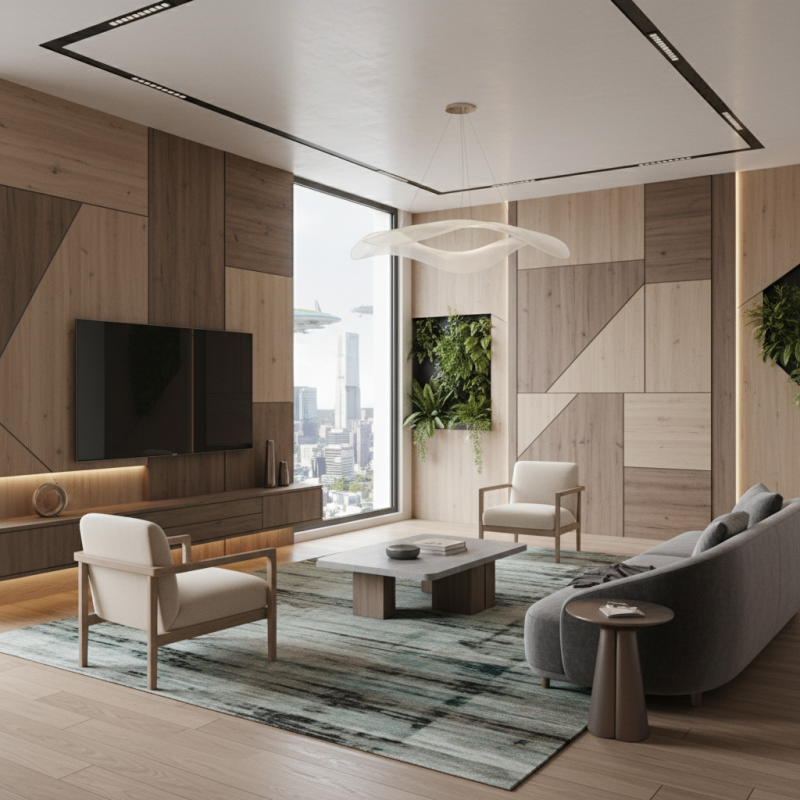
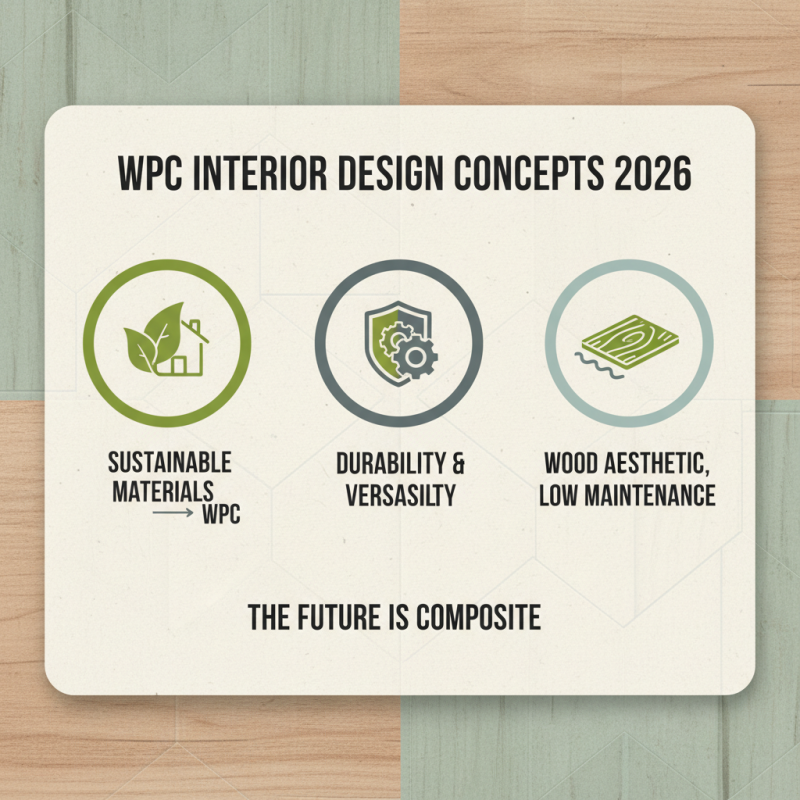
WPC, or Wood Plastic Composite, is gaining traction in interior design. By 2026, designers are increasingly focused on sustainable materials. WPC offers durability and versatility. Homeowners appreciate its aesthetic appeal. It mimics real wood without the upkeep.
Designs vary widely, incorporating textures and colors. Some trends highlight a seamless flow between indoor and outdoor spaces. This encourages a vibrant living experience. However, not all installations achieve expected harmony. Misaligned colors or awkward textures can detract from overall ambiance. This is where careful planning makes a difference.
Beyond aesthetics, WPC remains practical. It is resistant to moisture and pests, making it ideal for varied environments. Yet, some individuals struggle with its installation. Proper techniques are crucial. Inadequate skills may lead to issues that impact longevity. Design professionals should prioritize educating clients on these aspects, ensuring satisfaction in their choices.
When considering modern interiors, Panel WPC (Wood Plastic Composite) materials have emerged as favorites among designers and homeowners alike. These materials combine the aesthetic appeal of wood with the durability of plastic, making them ideal for various applications. According to a recent market report, the global WPC industry is projected to grow by 7% annually, reflecting their increasing popularity.
The key features of Panel WPC materials are their resistance to moisture and decay. Unlike traditional wood, they do not warp or splinter, which is essential in humid environments. This durability extends the lifespan of interior designs while minimizing maintenance costs. The versatility of Panel WPC allows it to be molded into different textures and finishes, accommodating a wide range of design preferences. This adaptability makes it a preferred choice for both residential and commercial spaces.
Tips: For those interested in incorporating Panel WPC into their interiors, consider mixing it with other materials. Pairing it with glass or metal can create a striking visual contrast. Also, ensure you choose high-quality WPC for longevity. Be mindful of color fading; it’s a common issue with lower-grade products. Overall, Panel Wpc Interior designs can elevate your space while offering practical benefits.
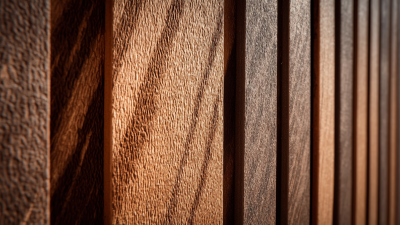
In 2026, the world of panel WPC (wood-plastic composite) interior designs embraces vibrant color palettes. Buyers are increasingly drawn to rich, earthy tones that mimic natural wood. Shades like deep mahogany and warm chestnut are especially popular. They provide a comforting and inviting atmosphere in homes and commercial spaces. Factors such as light reflection and room size play a crucial role in color choice. Choosing a darker hue in a small space can make it feel even smaller.
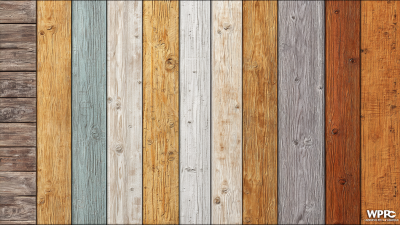
Contrasting hues are another trend. Light gray panels combined with deep navy or forest green create striking designs. This combination adds depth and sophistication. However, the balance between light and dark shades requires careful consideration. Overly bold contrasts can be overwhelming. Subtle, complementary tones often work best to maintain a harmonious look. Incorporating soft pastels alongside classic neutrals enhances versatility in design.
While trends guide choices, personal preferences remain vital. Each buyer's experience shapes their decisions. Be mindful of how a color feels in different lighting at various times of day. This reflection is essential for choosing the right palette. As tastes evolve, so do the challenges of meeting expectations in panel WPC designs.
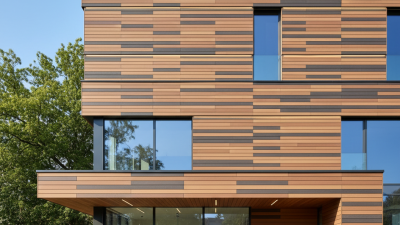
Wpc Panels have gained popularity in home projects due to theirversatility and durability. Interior Wpc Wall Panels can be used to create stunning accent walls that enhance any room. They come in various textures and colors, offering countless design possibilities. Installing these panels is often straightforward, making them accessible for DIY enthusiasts.
Innovative applications of WPC panels include their use in kitchens and bathrooms. Their water-resistant properties make them ideal for these areas. Homeowners can create seamless designs that are both functional and stylish. However, not every installation goes smoothly. Some may face challenges during the cutting process or alignment. Proper planning and measuring are critical to avoid wasting materials.
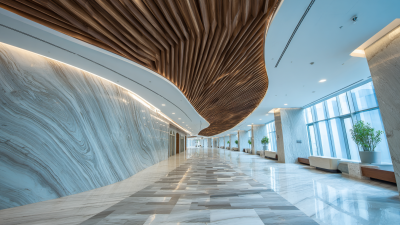
In living spaces, Interior WPC wall panels can set the mood. They absorb sound and add warmth, transforming an ordinary room into a cozy retreat. While these panels are often praised, their environmental impact can be a topic for reflection. Choosing sustainably sourced materials is vital for responsible design. As trends evolve, recognizing both the benefits and potential drawbacks of WPC panels will guide better choices in home projects.
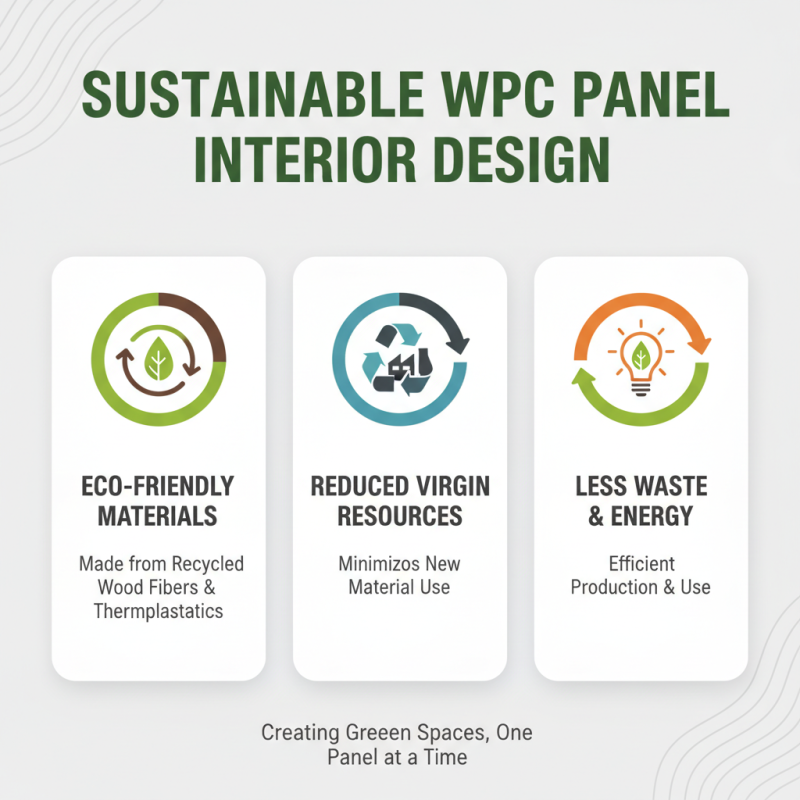
In recent years, the demand for sustainable practices in interior design has surged. WPC panels, made from wood plastic composites, offer a compelling option for creating eco-friendly spaces. These materials combine recycled wood fibers with thermoplastics, reducing the need for virgin resources. Choosing WPC panels for interior design can significantly minimize waste and energy consumption.
Sustainable design requires careful consideration. It's crucial to source WPC panels from manufacturers committed to responsible practices. Not all products are created equal. Some panels may contain harmful additives or are not recyclable. Homeowners and designers need to conduct thorough research. This includes understanding the life cycle of the materials used. Transparency in production methods is essential for making informed choices.
Designing with WPC panels also requires creativity. Balancing aesthetics with functionality can present challenges. For instance, while WPC can replicate the look of natural wood, it may lack some textural qualities. Experimenting with finishes or complementary materials can address these gaps. It invites reflection on how to enhance the design without compromising sustainability. Crafting beautiful, functional interiors is a nuanced task in the growing field of eco-friendly design.
The choice between WPC (Wood Plastic Composite) and traditional interior materials is becoming increasingly critical. Wpc Interior Wall Panels combine wood fiber and plastic, offering durability and moisture resistance. According to a recent industry report, the demand for WPC products has surged by over 25% annually. This is largely due to their eco-friendly nature and lower maintenance requirements. Traditional materials, while tried and true, often lack the same sustainability.
One major advantage of WPC is its versatility in design. It can mimic natural wood without the associated upkeep. However, not all WPC products are created equal. Some may have varying levels of durability or finish quality. This discrepancy requires buyers to conduct thorough research. It's also notable that WPC panels can sometimes be more costly upfront than their traditional counterparts.
Moreover, temperature fluctuations can impact the performance of WPC panels. They may expand or contract, raising concerns about long-term stability. Traditional materials like solid wood or drywall do not share this issue but can be affected by pests and moisture in other ways. Understanding these subtleties is essential for making a wise investment in interior design.
When selecting Wpc Wall Panel Interior Decoration, consider the aesthetic and functional qualities. Panels made from wood-plastic composites offer durability and versatility. They can enhance the look of any room while being resistant to moisture and pests.
Tips for global buyers: Always check the texture and finish of the panels. A rough finish may indicate lower quality. Look for samples before making a bulk purchase. This ensures the colors and textures align with your vision.
Consider the panel thickness as well. Thicker panels generally provide better insulation and soundproofing. Moreover, think about sustainability. Eco-friendly options are increasingly available, making your choice better for the planet. The market is vast, yet some options might not meet your expectations. Prioritize suppliers with positive reviews and solid customer service for a more reliable buying experience.
| Design Style | Material Type | Color Options | Popular Uses | Price Range (per sq.ft) |
|---|---|---|---|---|
| Modern Minimalist | Wood Plastic Composite | White, Grey, Black | Living Rooms, Offices | $5 - $10 |
| Rustic Chic | Reclaimed WPC | Brown, Beige | Cottages, Dining Areas | $6 - $12 |
| Contemporary Elegance | Custom WPC | Navy, Gold, Silver | Luxury Homes, Hotels | $8 - $15 |
| Traditional Style | Classic WPC | Mahogany, Cherry | Classic Homes, Libraries | $7 - $14 |
| Industrial Design | Composite WPC | Dark Grey, Rust | Lofts, Cafés | $5 - $11 |
: WPC stands for Wood Plastic Composite, a material popular in interior design for its durability.
Sustainable materials minimize environmental impact. They offer long-lasting options that are appealing to homeowners.
WPC mimics the appearance of real wood but requires less maintenance. It is also resistant to moisture.
Trends include seamless indoor-outdoor spaces and diverse textures and colors that enhance living experiences.
Installation can be tricky. Insufficient skills may lead to misaligned textures or colors, affecting aesthetics.
Check the texture and finish. Rough finishes might signal lower quality. Sample panels before purchasing.
Thicker panels usually offer better insulation and soundproofing. This is vital for comfort in living spaces.
Yes, many eco-friendly panel options exist. Choosing these helps reduce your environmental footprint.
A supplier with positive reviews and strong customer service ensures a more reliable buying experience.
Designers need to educate clients on installation techniques and the importance of proper planning for satisfaction.
The article "2026 Best Panel WPC Interior Designs for Global Buyers" explores innovative and sustainable interior design concepts using Panel WPC materials. It provides an overview of the latest design trends for 2026, highlighting the key features of Panel WPC, such as durability and versatility, which make it an ideal choice for modern interiors. The discussion also includes trending color palettes that align with contemporary aesthetics, as well as innovative applications of WPC panels in various home projects.
Additionally, the article emphasizes the importance of sustainable practices in panel WPC interior design, showcasing how these materials compare to traditional options. For global buyers, tips are shared on selecting the best Panel WPC designs to enhance their living spaces, ensuring a blend of style, functionality, and eco-friendliness in their interiors.