Lately, Wpc Cladding has really been catching on in both homes and commercial spaces. It’s this pretty cool modern material that blends wood with plastic, so it’s not only sturdy but looks pretty nice too. I read somewhere—like in a report from the Freedonia Group—that the market for wood-plastic composites might hit around $5 billion by 2025. That just shows how much people are starting to want this stuff!
John Smith, who’s kind of a big deal over at EcoClad Solutions, mentioned that WPC cladding does a great job of making buildings look good while standing up pretty well against whatever weather gets thrown at it. No wonder architects and builders are loving it as a sustainable choice. But, honestly, with so many products out there, it can get pretty confusing to pick the right one.
There are lots of options, but not all of them are equally good quality. Some might start to wear out faster than you'd hope, or they might not keep their color. So, if you're thinking about using WPC cladding, it’s really worth taking your time to check out what's available—this can save you a lot of headaches and money down the line. Focusing on how well it performs over time and how nice it looks will definitely help you get better results. Choosing wisely is key if you want your project to turn out just the way you envisioned.
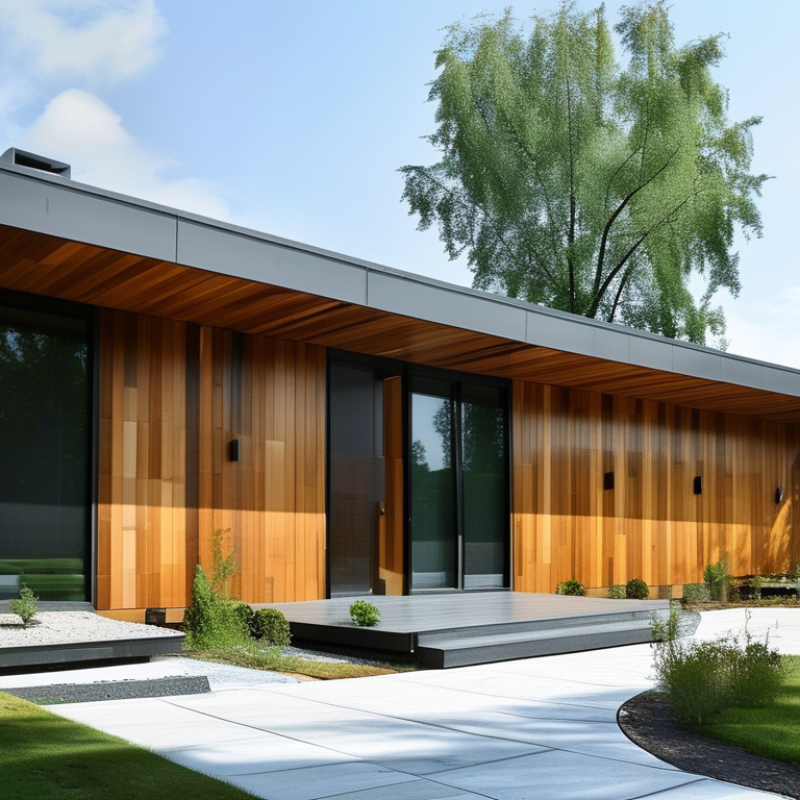
Overview of WPC Cladding and Its Benefits
WPC (Wood-Plastic Composite) cladding is gaining popularity due to its durability and aesthetic appeal. Unlike traditional materials, WPC is composed of recycled wood fibers and plastic, offering a sustainable option. According to industry reports, the WPC market is projected to grow at a CAGR of 10.5% from 2021 to 2027, highlighting its increasing acceptance among builders and architects.
One major benefit of WPC cladding is its resistance to weather and insects. It doesn’t warp, crack, or splinter, making maintenance easy. A survey shows that 70% of homeowners prefer materials that require less upkeep. This contributes to longer-lasting external finishes that maintain their appearance over time. However, poor installation can lead to gaps and other issues. Always ensure a professional handles installation.
When selecting WPC cladding, consider local climate conditions. For instance, extreme temperatures can affect performance. Opting for lighter colors can also improve energy efficiency by reflecting sunlight. Remember, trial and error can occur, particularly when matching textures and tones with your building’s design. Testing different samples is advisable before making a final decision.
Best WPC Cladding Options for Your Next Project
| Type of WPC Cladding | Benefits | Applications | Longevity | Cost per Square Foot |
| Hollow Board | Lightweight, cost-effective, good insulation | Residential, commercial facades | 10-15 years | $2.50 - $4.00 |
| Solid Board | Durable, high strength, excellent weather resistance | High-end projects, urban areas | 20-25 years | $4.00 - $6.50 |
| Composite Decking | Slip-resistant, low maintenance, eco-friendly | Balconies, patios, decking | 15-20 years | $5.00 - $8.00 |
| Wood-Polymer Composite | Natural wood appearance, moisture resistant | Garden structures, fences | 15-30 years | $4.50 - $7.00 |
| PVC WPC Cladding | Waterproof, rot-resistant, easy to clean | Moist environments, coastal areas | 20-30 years | $3.00 - $5.50 |
Types of WPC Cladding Materials Available on the Market
When choosing Wpc Cladding materials, various types are available to enhance your project. WPC, or wood-plastic composite, combines the durability of plastic with the aesthetic appeal of wood. This material is popular for outdoor and indoor applications due to its resistance to moisture and insects. Various finishes and colors are offered, allowing for creative flexibility in design.
Common types of WPC cladding include boards, panels, and tiles. Boards are typically used for siding and fencing, providing a seamless look. Panels can create striking feature walls or ceilings. Tiles offer versatility for various surfaces, including patios and balconies. Each type serves a distinct function, but they all share similar benefits.
However, not every WPC cladding option is perfect. Some may fade with prolonged sun exposure. Others might be more expensive than traditional materials. It's essential to weigh these factors against your needs and budget. WPC cladding is a solution worth considering, but not every type will suit every project. Thoughtful selection will lead to a successful outcome.
Factors to Consider When Choosing WPC Cladding
Choosing the right Wpc Wall Cladding can significantly enhance your project’s aesthetic and functional appeal. There are several factors that demand attention during this selection process. First, consider the material’s durability. WPC cladding is known for its resistance to moisture, pests, and warping. This makes it ideal for both indoor and outdoor applications. However, ensure that the specific product you choose meets your climate needs.
Another crucial aspect is the design flexibility. Wpc Wall Cladding comes in various colors, textures, and finishes. Selecting a style that complements your overall project can be challenging. It’s important to visualize how different finishes align with your space. Take time to gather samples and conduct mockups. Testing out various options can help avoid costly mistakes later.
Don't overlook the installation process either. While WPC cladding is generally user-friendly, complexities may arise. An improper installation can lead to issues down the line. Seek advice from experienced professionals or thorough guides. Planning and execution play vital roles in your project’s long-term success. Reflect on these aspects carefully to make informed decisions.
Popular WPC Cladding Brands and Their Features
WPC cladding is becoming an important choice for many builders. Its unique blend of wood fibers and plastic provides durability and aesthetic appeal. Popular WPC cladding brands often incorporate advanced features, such as moisture resistance and UV protection, which enhance their longevity. According to industry reports, 70% of consumers prefer WPC for its low maintenance and eco-friendliness.
Many brands emphasize sustainability in production. Some even use recycled materials, aligning with growing environmental concerns. However, not all products are created equal. Some may lack essential features like long-term UV stability or adequate thermal expansion properties. Depending on the specific Wpc Cladding Exterior Wall materials used, the quality can vary significantly, leading to differing performance over time.
While these materials offer various designs, some options may wear down faster than others. It’s essential to consider the specific climate when choosing WPC cladding. Ratings for wind resistance and impact resistance vary widely between brands. Consumers should verify certification and testing data to ensure reliable performance for their projects.
Best WPC Cladding Options - Features Comparison
Installation Process for WPC Cladding
When considering the installation of WPC (Wood Plastic Composite) cladding, understanding the process is crucial. Proper installation not only enhances durability but also maximizes aesthetic appeal. A recent industry report indicates that well-installed WPC cladding can last 25 years or more, significantly reducing long-term repair costs.
Preparing the surface is the first step. Ensure the area is clean and dry to prevent rot. It's also essential to check for any structural damages before installation. Commonly, a framework of treated timber or metal provides the support needed. Recommendations suggest leaving a gap of about 5 mm between cladding boards. This allows for expansion and contraction, which is essential in variable climates.
Fastening the boards securely is another vital stage. Typically, hidden fasteners provide a clean look and prevent moisture retention. Research shows that improper fastening can lead to gaps and eventual cladding warping. Although WPC is designed to resist environmental factors, attention to detail during installation can prevent common pitfalls. Balancing efficiency with thoroughness is key to achieving a successful cladding project.
Maintenance Tips for WPC Cladding Longevity
WPC cladding offers a fantastic mix of durability and aesthetics. To prolong its life, maintenance is vital. Regular cleaning can prevent dirt build-up. A solution of soap and water is often sufficient. In high-traffic areas, you might need to clean more often to maintain its appearance.
Reports indicate that WPC materials can last up to 25 years with proper care. This longevity relies significantly on maintenance habits. Using a soft brush or broom helps remove debris without damaging the surface. Occasionally, inspecting the cladding for cracks ensures timely repairs.
Another key aspect is protection from harsh weather. UV rays can fade the color, while moisture can encourage mold growth. Applying a protective sealant can shield against these elements. However, it requires reapplication every few years. This commitment to care emphasizes the importance of planning maintenance into your project timeline. Effective upkeep leads to a beautiful and resilient Wpc Exterior Wall Cladding.
Cost Comparison of WPC Cladding vs. Traditional Materials
When considering WPC (Wood Plastic Composite) cladding, many project managers weigh the costs against traditional materials like wood and vinyl. WPC cladding typically offers an appealing alternative due to its durability and low maintenance needs. The average cost of WPC cladding is around $3 to $7 per square foot. In contrast, traditional wood can range from $5 to $15 per square foot, depending on the type.
However, it’s essential to look beyond initial costs. WPC does not warp or splinter like wood, reducing long-term expenses. Additionally, maintenance for WPC cladding often involves simple cleaning rather than extensive treatments, potentially saving more money over time. Yet, some may find WPC's aesthetic options less varied than wood's natural beauty.
Local climate can also impact durability and longevity, leading to performance questions. An environment with high moisture might affect both WPC and wood differently. It’s crucial to consider these factors when choosing materials for your project. Each option has its advantages, yet unique challenges arise. Evaluating specific needs ensures a balanced decision.
FAQS
: WPC stands for wood-plastic composite. It combines plastic's durability with wood's aesthetic appeal.
Common types include boards, panels, and tiles. Each serves different functions for indoor and outdoor use.
WPC is resistant to moisture and insects. It offers low maintenance and durability for various applications.
Yes, some types may fade with sun exposure. Others can be pricier than traditional materials.
WPC can be more cost-effective over time due to lower maintenance needs and durability.
The cost typically ranges from $3 to $7 per square foot, which is lower than many wood options.
High moisture environments can impact both WPC and wood differently, affecting longevity and durability.
Yes, WPC comes in various finishes and colors, allowing creative flexibility in design.
Not always. Each type has unique challenges, and thoughtful selection is needed for effective results.
Maintenance usually involves simple cleaning, making it easier than extensive treatments needed for wood.
Conclusion
WPC cladding, or Wood Plastic Composite cladding, offers a modern and sustainable option for exterior surfaces, combining the aesthetic appeal of wood with the durability of plastic. This article explores the various types of WPC cladding materials available and highlights their numerous benefits, such as resistance to moisture, insects, and fading. When selecting WPC cladding, it’s essential to consider factors like material quality, environmental impact, and installation requirements.
Furthermore, the article outlines the installation process and emphasizes the importance of maintenance to ensure the longevity of WPC cladding. It also provides a cost comparison between WPC cladding and traditional materials, helping you make an informed decision for your next project. Overall, WPC cladding stands out as a versatile choice that balances functionality with design.

 Hot Selling


