Shandong Xiangying New Materials Technology Co., Ltd.

Leave Your Message
0%

So, you know, WPC panels are really gaining popularity these days. Builders are looking for surfaces that kinda mimic wood—durable but also easier to maintain on the regular. You’ll see them used for wall cladding, decks, Decorative Panels—you name it. But here's the thing: not all products are created equal. Just because you’ve got a shiny sample in hand doesn’t mean the actual stuff will be the same. It’s super important to dig into details like what’s in the material, size, surface finish, and any test results the supplier can show you.

According to Grand View Research, the global market for wood-plastic composites was around USD 7.4 billion in 2023. They’re also predicting a pretty steady growth rate of about 11.2% annually from 2024 all the way through 2030. Now, just a quick heads-up—this number covers all wood-plastic composites, not just WPC panels specifically. So, keep that in mind when you’re comparing what suppliers claim versus the actual market data.

For buyers outside your local area, picking a manufacturer isn’t just about jumping at the lowest price or the most beautiful catalog. To really make a good choice, you should look into their production capacity, how strict their quality control is, how much experience they have with exporting, and whether their technical info checks out. Don’t be shy about asking for current test reports, installation tips, and samples that match your planned order. Sometimes a slick-looking sample can hide differences like color, density, or edge quality when you get the full shipment.

Honestly, there’s no one perfect supplier that’s right for everything. Things like climate, how you install the panels, and how much upkeep you’re okay with can totally influence the best choice for you. This guide is meant to give you a starting point—showing ten WPC panel manufacturers that are worth checking out for international buyers. It focuses on practical aspects—what actually matters in real life—rather than empty promises. Use this list as a first step, then dig into their specs and references yourself. A little extra scrutiny never hurts.
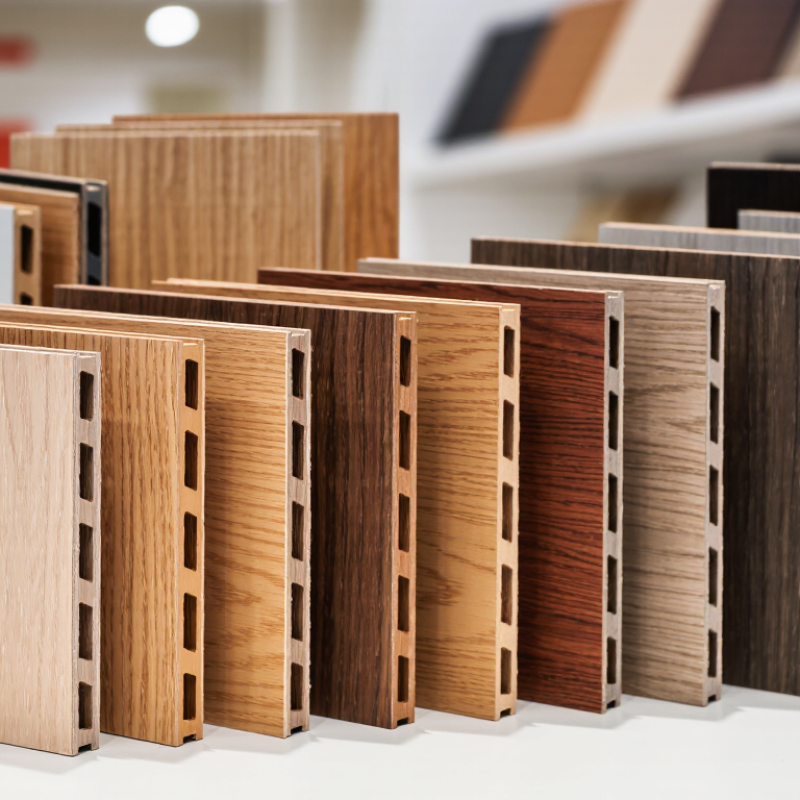
10 Best WPC Panel Manufacturers for Global Buyers

What Are WPC Panels and Where Are They Used?

WPC panels are engineered boards made from wood flour or fibers, thermoplastics, and performance additives. The mix is heated, formed, and finished with surfaces that may resemble timber or stone. They are not solid wood, and formulations vary. Grand View Research estimated the global wood-plastic composites market at about US$6.3 billion in 2023, forecasting roughly 11.5% annual growth from 2024 to 2030. That market estimate signals demand, but it does not guarantee equal quality across products.

Indoors, panels can cover feature walls, ceilings, corridors, and reception areas. A Wpc Wall Panel Interior installation might add a warm, grained surface behind a bed or along a shop counter. Outdoors, suitable grades are used for façade cladding, balcony screens, and garden structures. Some products also serve as partitions. Check the manufacturer’s stated application before specifying a panel for kitchens, bathrooms, or exposed façades.

Details matter. A dense panel can feel firm under hand, yet still expand with heat or moisture. Leave the recommended movement gaps, and inspect edges near sinks or floor junctions. Surface coatings may scratch; repairs are not always invisible. That distinction is easy to overlook. Compare technical sheets for composition, fire classification, water absorption, UV exposure, and installation method, rather than choosing by color alone. Some claims sound reassuring, but project conditions can tell a different story.

How WPC Panels Are Manufactured

WPC panels begin with wood flour or fiber, thermoplastic resin, and carefully measured additives. The wood material is dried before blending; excess moisture can create bubbles or uneven surfaces during processing. Small variations matter. Resin type and particle size affect flow, strength, and finish, so recipes differ by product and intended use.

The blended compound is heated and pushed through a shaped die, often by extrusion. Calibrating plates guide the hot profile, while controlled cooling helps it hold its dimensions. The panel may then be cut, embossed, or given a decorative surface. A Wpc Ceiling Panel can look consistent on the face, yet its core and edge quality deserve inspection. Process descriptions sometimes make extrusion sound effortless. It is not: temperature, feed rate, and cooling need close control.

Grand View Research’s Wood Plastic Composite Market report estimated the global market at USD 7.6 billion in 2023 and projected an 11.5% compound annual growth rate from 2024 to 2030. That figure indicates expanding demand, not uniform product quality. Buyers should compare technical data, including dimensions, density, and test methods, rather than relying on appearance alone. Some specifications remain hard to compare across suppliers.

How to Evaluate WPC Panel Manufacturers

Choosing a WPC panel manufacturer starts with evidence, not a polished catalog. Ask for technical data on core composition, thickness, density, dimensional tolerance, and surface finish. Request recent inspection records and compare them with physical samples. Small checks matter.

For Panel Wpc Interior, inspect a sample at least 300 mm long. Check its cut edges, locking joints, and color under both warm and cool light. Ask how the panels perform in humidity and temperature changes, and whether test conditions match your project. One attractive sample proves little.

Verify production capacity, lead times, packaging, and how defects are handled. Request references from projects with similar climates and installation methods, but treat testimonials as clues, not proof. A factory visit or live video walkthrough can reveal storage conditions and quality checks. A low quote can look convincing; I would still question what the specification leaves out.

10 Best WPC Panel Manufacturers for Global Buyers

Choosing from the 10 best WPC panel manufacturers for global buyers takes more than comparing catalogue photos. Start with the intended setting: a shaded interior wall has different needs from a sunlit balcony or a humid bathroom. Ask for technical data on water absorption, UV resistance, fire performance, and installation requirements. Details matter.

Request samples from the same production range you plan to order. Check whether the surface texture feels consistent, the edges are clean, and the panel stays straight after acclimating indoors. A sample cannot prove long-term durability, but it can reveal uneven coloring or a hollow, brittle feel. Ask for recent test reports and confirm that the reported specifications match the product being quoted.

A dependable manufacturer should explain panel dimensions, tolerances, packaging, lead times, and replacement procedures in clear terms. Ask how panels are protected against corner damage during shipping, and whether spare pieces can be included. Compare written warranties carefully; vague promises are not useful evidence. Ask for proof. Independent inspection may add cost and time, yet skipping it can be a costly mistake. Even careful buyers can miss details, so keep questions, samples, and agreed specifications on record before production begins.

How the Leading Manufacturers Compare

Leading WPC panel manufacturers differ less by catalog size than by control over formulation and production consistency. Compare thickness tolerance, surface finish, color matching, and edge quality across several samples, not just a polished showroom board. Details matter. Request technical data on density, water absorption, and UV exposure, and confirm it applies to the exact panel quoted. Inspect a sample cut to your planned dimensions; rough edges can reveal issues hidden by a finished display piece.

Manufacturers also vary in customization, lead times, minimum order quantities, packaging, and communication. A helpful sales team is useful, but written specifications and relevant test reports offer stronger evidence. For international shipments, ask about pallet protection, labeling, and procedures for damaged or mismatched batches. A low quote may exclude freight or reflect a thinner surface layer, so request a landed-cost breakdown. No comparison is perfectly clean: climate, installation, and maintenance affect performance. One attractive sample cannot prove durability. Compare references from similar project conditions, and record missing information rather than filling gaps with assumptions.

10 Best WPC Panel Manufacturers for Global Buyers — How the Leading Manufacturers Compare

Typical WPC formulation ranges offer a useful baseline when comparing manufacturers. These figures are general industry ranges, not specifications for any particular company or product; actual formulations vary.

How to use this chart: Ask suppliers for the material composition of the specific panel you are evaluating, then compare it with the stated range. The ranges are independent and do not represent a single recipe.

What Global Buyers Should Know Before Sourcing WPC Panels

Global buyers should compare WPC panel manufacturers by evidence, not catalogue images alone. Request a current technical data sheet showing panel dimensions, weight, surface finish, and recommended installation conditions. Ask how the product handles moisture, sunlight, and temperature changes. Performance can vary with formulation and intended use.

Check whether test results apply to the exact panel you plan to order. A Wpc Fluted Wall Panel may look consistent in a small sample, yet finish and color can differ between production batches. Request a larger sample and inspect its grooves, edges, and surface under natural light. Small details matter.

Clarify what “recycled content” means and whether the figure is documented. Confirm packaging, lead time, minimum order quantity, and how damaged panels are handled. For container shipments, check protective corner pieces and moisture-resistant wrapping; a good panel can arrive with chipped edges if packaging is weak. Also ask for installation guidance, including suitable fixings and expansion gaps. I have seen buyers focus heavily on unit price, then overlook the cost of cutting waste or replacement stock. That comparison is not always fair. Verify the assumptions before placing a bulk order, and keep written specifications tied to the quotation.

How Waterproof Co-Extruded WPC Decking Builds Durable Outdoor Spaces

Co-extruded Wpc Decking pairs a wood-plastic composite core with a protective outer layer, helping outdoor boards resist moisture, surface wear, and everyday staining. Its water-resistant construction can reduce the swelling, decay, and upkeep associated with exposed timber, while the wood-like finish creates a natural-looking deck. The Grand View Research *Wood Plastic Composite Market Size, Share & Trends Analysis Report* estimated the global market at about US$7.1 billion in 2023 and projected an 11.4% annual growth rate from 2024 to 2030, reflecting rising interest in durable composite materials across outdoor applications.

For a lasting outdoor space, material choice is only part of the design: drainage, ventilation beneath the deck, correct spacing, and suitable fasteners also matter. ASTM D7032 provides performance requirements for wood-plastic composite decking and guardrail systems, including criteria related to structural strength and durability; buyers can use relevant test documentation to compare products rather than relying on “waterproof” claims alone. Co-extruded WPC flooring is also designed for straightforward installation and routine cleaning, making it a practical option for patios, garden paths, and poolside areas. Check the manufacturer’s technical specifications for slip resistance, temperature limits, and maintenance guidance before installation.

FAQS

What are WPC panels made from?

They combine wood flour or fibers, thermoplastic resin, and performance additives. They are engineered boards, not solid wood.

Where can WPC panels be used?

Indoors, they can cover feature walls, ceilings, corridors, and reception areas. Suitable grades may also work for façades, balcony screens, and garden structures.

How are WPC panels manufactured?

The ingredients are dried, blended, heated, and shaped through a die. Cooling helps the panel hold its dimensions. Temperature control matters.

What should I check before using panels in a bathroom or kitchen?

Check the stated application, water absorption data, and installation guidance. Inspect edges near sinks and floor joints, where moisture may collect.

Can WPC panels expand with heat or moisture?

Yes. Even a dense panel can change dimensions. Follow the recommended movement gaps, especially near warm or damp areas.

How can I assess a panel sample?

Inspect a sample at least 300 mm long. Look at its cut edges and joints, then compare its color under warm and cool light.

What technical details should I compare between products?

Review composition, thickness, density, dimensional tolerance, fire classification, and test methods. Appearance alone tells only part of the story.

How can I evaluate a panel manufacturer?

Request recent inspection records, project references, lead times, and defect-handling details. A factory visit or live walkthrough may reveal storage and quality checks. A polished catalog proves little.

Conclusion

Wpc Panel products combine wood fibers and polymer materials to offer a practical option for interior and exterior applications, including wall cladding, ceilings, partitions, and decorative features. Their performance depends on factors such as material composition, surface finish, dimensional stability, weather resistance, and installation requirements. Understanding the manufacturing process—from raw-material preparation and blending to forming, cooling, and finishing—can help buyers assess product consistency and suitability for their projects.

When comparing manufacturers, global buyers should look beyond price and consider production capacity, quality-control procedures, customization options, technical support, packaging, and export experience. The leading suppliers may differ in product range, service, and ability to meet project specifications, so requesting samples and confirming relevant performance details are useful steps. Before sourcing, clarify order quantities, lead times, shipping arrangements, documentation, and after-sales support to reduce uncertainty and choose a dependable manufacturing partner.
Sophia

Sophia

Sophia is a dedicated marketing professional with over a decade of experience in the industry. She is deeply committed to the company's philosophy of service and sincerity, believing that trust and support are the foundations of mutual benefit and win-win cooperation. With her extensive knowledge......
Previous Why Choose WPC Wall Panels for Your Project?