People talk about Wpc Sheets like they're just a straight swap for timber, but anyone buying them internationally knows it's never that simple. That sample you saw in the showroom? It can look great under those lights, then act completely different after months of sun, moisture, handling, or installation. The real difference usually comes down to the little things: how much wood fiber is actually in there, what kind of polymer is used, the additives, the surface finish, and how strict their quality control really is. When you're picking a supplier, honestly, it's all about digging into those little details—not just comparing prices, you know?
Roger M. Rowell studies wood composites, and honestly, his published work is a good reality check. The gist? You can't judge a composite in isolation—you have to look at how it's formulated and where it's meant to be used. (That's my paraphrase of his research, not a direct quote.) For anyone in procurement, this translates to a few practical questions: ask for the technical data, make sure sample dimensions are consistent, and get clear answers about whether it's for indoor or outdoor use. Oh, and don't forget to ask how they handle batch variation. It matters more than you'd think. You know, in a big installation, even tiny inconsistencies have a way of showing up. It's funny how the little stuff can suddenly become so noticeable once you scale things up.
Alright, so this guide is basically a rundown of seven Wpc Sheet Manufacturers, aimed at buyers overseas. We look at what they make, how they handle production, their export track record, and whether their product info is actually clear. Now, a quick heads-up: this list is just a starting point, not a promise that any of them will be a perfect match. Every buyer's got different needs, right? A supplier who nails it for one project might totally miss the mark for another—whether it's about climate, finish, budget, or delivery timelines. And honestly, even a slick catalog can leave you with unanswered questions. Honestly, before you place any order, make sure you’ve double-checked the specs yourself, asked for fresh samples, and actually tried them out in conditions that match your real project. It might take a bit of extra time, but it’s way better than committing too early.
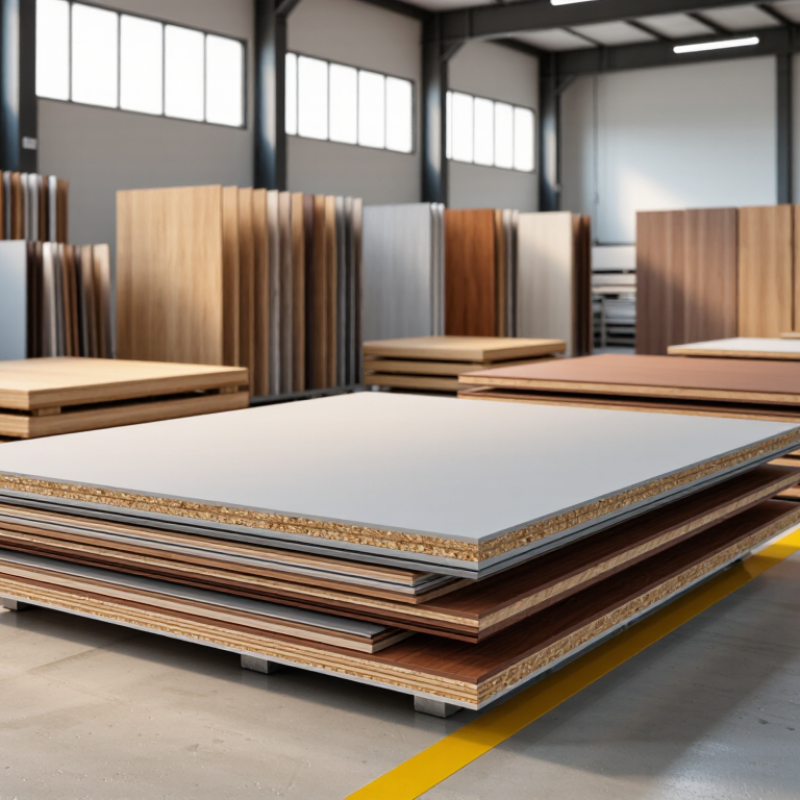
What WPC Sheets Are and How They Are Used
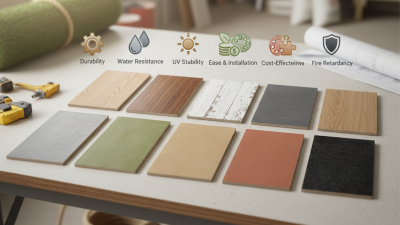
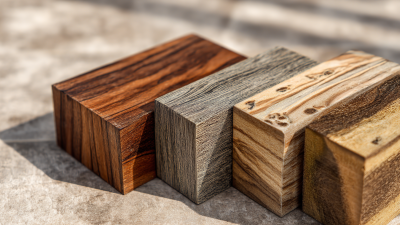
WPC sheets are panels made by combining wood flour or fibers with thermoplastics and processing additives. Their exact composition varies, so appearance, stiffness, and moisture performance differ between products. Some sheets have a smooth, printed surface; others show visible wood-like texture. Not solid timber.
Builders and fabricators use WPC sheets for wall cladding, Ceiling Panels, cabinet fronts, partitions, and decorative screens. A panel can be cut to size with suitable woodworking tools, then fixed to a stable frame. In a renovation, for example, lightweight sheets may cover an uneven interior wall without the look of bare plastic. The edges still need care. Poorly sealed cuts can look rough and may admit moisture.
WPC is often chosen for areas where ordinary wood needs frequent upkeep, but “water-resistant” does not always mean waterproof. Check the product’s stated use, installation guidance, and exposure limits before specifying it. Outdoor panels may expand with heat or fade under prolonged sunlight. Allowing movement at joints can help prevent buckling. Small details matter. A sample is useful, though it cannot show how a large installed surface will look in changing light. Some claims about durability also deserve scrutiny; actual performance depends on the formulation, support spacing, and workmanship.
How WPC Sheets Are Made and What Affects Their Quality
Making a WPC sheet begins with blending wood flour, thermoplastic resin, and additives. Feedstock moisture, particle size, and mixing consistency matter. During extrusion, heat softens the polymer, while pressure helps bind the wood particles. Excess moisture can create bubbles or weak spots. The sheet is then cooled and calibrated for thickness. Small changes matter.
Grand View Research’s 2023 Wood Plastic Composites Market report valued the 2022 market at US$6.04 billion and forecast 11.5% annual growth through 2030. That growth makes consistent production more important, not automatic.
Sheet quality depends on the bond between wood and polymer, as well as density, surface finish, and resistance to water and sunlight. The USDA Forest Products Laboratory’s Wood Handbook explains that wood responds to changing moisture conditions, so poorly controlled wood content can contribute to dimensional movement. A China Wpc Sheet buyer should request test results for thickness tolerance, water absorption, and bending strength, rather than judging a sample by gloss alone. A smooth face can hide internal voids. I would also check whether results come from repeatable tests, since a single attractive sample proves little. Temperature records and batch-to-batch measurements offer useful evidence of process control.
Key Criteria for Comparing WPC Sheet Manufacturers
Comparing WPC sheet manufacturers starts with the product’s intended use. Interior panels, outdoor cladding, and fabricated parts face different moisture, load, and temperature demands. Grand View Research estimated the global wood-plastic composite market at USD 7.19 billion in 2023, with projected growth through 2030. This covers the broader WPC market, not sheet products alone, so treat it as context—not proof of a supplier’s quality. Ask manufacturers for current technical data sheets and batch-level test records. Check thickness tolerance, density, water absorption, and bending performance. ASTM D7031 provides guidance for evaluating mechanical and physical properties of WPC products. A brochure cannot prove consistency. Request independent test results where practical.
For Wholesale Wpc Sheet orders, compare production capacity, minimum order quantities, sample access, and realistic lead times. Ask how the factory controls recycled content and resin blending; these can affect color, surface finish, and dimensional stability. Inspect a cut sample, especially its edges and core. Small defects matter. Confirm packaging protects sheets from moisture and impact during transit, and check whether replacement procedures are documented. A low quotation may omit testing or protective packing. I would compare several suppliers using the same specification sheet, then verify claims against samples. Even that process has limits: one sample cannot show how every production batch will perform.
Seven WPC Sheet Manufacturers Serving Global Buyers
Seven WPC sheet manufacturers serving global buyers may specialize in different production needs. Some focus on standard boards for general construction. Others offer co-extruded sheets with a protective outer layer. Recycled-material specialists can provide details on recycled content and batch consistency. Architectural panel makers often support custom colors and surface textures. Certain factories concentrate on thicker sheets for demanding installations. Custom-cut suppliers help reduce trimming at the job site. Export-oriented manufacturers may offer export packaging and clear production schedules.
Compare the details, not just the sample. Ask for thickness tolerances, density data, and test reports relevant to the intended use. A sheet should feel consistent across its surface, with clean edges and no obvious voids. Check how it responds to drilling and fastening; a neat showroom sample tells only part of the story. Request a production sample and confirm that its specification matches the quotation. Packaging matters, too: poorly protected edges can arrive chipped after a long shipment. Small checks help.
Supplier communication deserves attention. Can the manufacturer explain material variations plainly? Do quoted lead times include packing and dispatch? A detailed answer is more useful than a confident promise. Even careful buyers can miss differences between sample and bulk orders, so record agreed dimensions, finish, and packaging before production begins.
7 Best WPC Sheet Manufacturers for Global Buyers? — Seven WPC Sheet Supplier Profiles
This comparison presents common supplier profiles and buyer checks, not a verified ranking of named manufacturers. Product specifications and certifications vary by supplier; confirm them directly before purchasing.
| Supplier profile | Typical product focus | Potential applications | What global buyers should verify |
| 1. General-purpose sheet producer | WPC boards in standard thicknesses, colors, and surface finishes. | Interior panels, partitions, and furniture components. | Actual dimensions, thickness tolerance, density, and available test reports. |
| 2. Interior-design sheet specialist | Decorative surfaces, printed finishes, and boards intended for indoor use. | Wall cladding, cabinetry, and retail or office fit-outs. | Abrasion and scratch performance, color consistency, and cleaning guidance. |
| 3. Exterior-use board producer | Boards marketed for outdoor exposure, often with weather-resistant formulations or finishes. | Exterior cladding, screens, and sheltered outdoor structures. | UV and weathering test methods, water absorption, installation details, and warranty exclusions. |
| 4. Custom-size and fabrication supplier | Cut-to-size sheets, routed parts, or other made-to-order formats. | Project-specific joinery, signage substrates, and interior components. | Drawing approval process, machining tolerances, minimum order quantities, and packaging for finished edges. |
| 5. Recycled-content-focused producer | Boards made with wood and polymer inputs that may include recycled material. | Projects with documented material-sourcing requirements. | Declared recycled-content percentage, supporting documentation, and batch consistency. |
| 6. Project-volume manufacturer | Larger production runs and repeat orders of specified sheet grades. | Commercial construction and multi-location fit-out projects. | Production capacity, lead-time commitments, quality-control records, and repeat-order specifications. |
| 7. Export-service-oriented supplier | WPC sheets supplied with export documentation and shipment coordination. | Importers, distributors, and overseas project buyers. | Sample availability, export packing, agreed trade terms, shipping documents, and destination-market compliance. |
How to Verify Manufacturer Capabilities and Certifications
When evaluating a Wpc Sheet Supplier, verify the factory—not just its sales office. Request a current quality certificate and check its issuing body, scope, expiry date, and covered manufacturing address. The ISO Survey 2023 recorded about 1.27 million valid ISO 9001 certificates worldwide across industries. A certificate is a useful screening tool, not proof that every sheet meets your specification.
Ask for recent test reports tied to the exact product grade and thickness you plan to buy. ASTM D7031 provides guidance for evaluating wood-plastic composite products; ask which relevant test methods the laboratory used. Compare reported strength, water absorption, and dimensional stability with your application. Also request a factory audit, production-capacity records, batch traceability, and a sample from a regular production run. A polished PDF is not proof. Even a capable plant can deliver inconsistent batches, so verify details independently.
Tips: Match the report’s product code to the quotation. Check that the tested sample came from the stated factory. Ask for a small trial order before committing to large volumes. Keep the questions specific; vague answers deserve a second look.
What to Consider When Sourcing WPC Sheets Internationally
When sourcing WPC sheets internationally, compare more than the quoted price. Ask each Wpc Sheet Manufacturer for the product’s composition, thickness tolerance, density, and intended-use guidance. A sample can reveal surface texture, color variation, and edge quality, but it cannot confirm long-term performance. Request relevant test reports and check that their methods match your project requirements. Details matter. A sheet stored outdoors before shipping may arrive warped or faded.
Tips: Confirm sheet dimensions, packing method, and lead time in writing. Ask how moisture exposure is managed during storage and transit. Keep a sample from the approved batch for comparison. Small differences can become obvious across a large wall.
Before ordering, clarify minimum quantities, payment milestones, and what happens if goods arrive damaged. Request recent production photos and a clear inspection checklist. For a first shipment, a smaller trial order may be more useful than a discount on a full container. Check whether the supplier can provide consistent batches, not just an attractive sample. Shipping schedules can shift, and I would not treat an estimated arrival date as a guarantee. Make room for that uncertainty in your project plan.
Choosing a Shipping Container for WPC Sheets
Typical internal cubic capacity can help with early freight planning when sourcing WPC sheets internationally. Sheets are flat cargo, so usable space also depends on sheet dimensions, packaging, loading method, and container payload limits.
Typical published capacities: actual internal dimensions and payload vary by container. Confirm the specific equipment dimensions and loading limits with your freight provider before ordering.
A Practical Guide to Durable Interior WPC Wall Cladding for Stylish Home Decoration
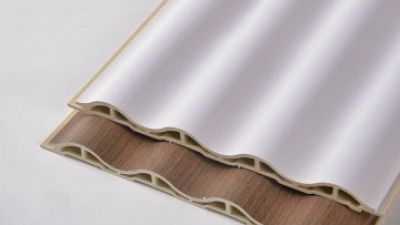
Interior WPC wall cladding offers a practical way to add texture and visual warmth to a home. These decorative composite panels are made by combining plastics such as PE, PP, PVC, or PS with wood powder and other plant-based materials, including straw powder and seed shells. The mixture is shaped through processes such as extrusion, injection molding, or pressing. Available in a range of colors, profiles, and wood-inspired finishes, panels can complement contemporary, rustic, or minimalist interiors.
For a durable installation, first measure the wall carefully and choose a panel style suited to the room’s look and everyday use. Make sure the wall surface is clean, dry, and even, and follow the product’s installation instructions for fixing, spacing, and any required expansion gaps. Accurate cutting and secure fitting help create a neat finish and reduce movement over time. In living rooms, bedrooms, hallways, or other suitable indoor spaces, cladding can create an accent wall or provide a consistent decorative surface. To keep it looking fresh, remove dust regularly and wipe marks with a soft cloth and a mild cleaning solution, checking care guidance before using stronger cleaners.
FAQS
Ask for a current certificate. Check its issuing body, scope, expiry date, and manufacturing address. A certificate is only an initial screening tool.
Match its product code, grade, and thickness to your quotation. Check the test methods and results for strength, water absorption, and dimensional stability. Details matter.
Ask whether it came from a routine production run and the stated factory. Compare it with a small trial order. A polished sample can still mislead.
Request recent audit information, production-capacity records, and batch traceability details. Ask for a clear inspection checklist. Vague replies deserve another look.
No. It can show surface texture, color variation, and edge quality, but not long-term behavior. I may be checking too much, yet one sample has limits.
Put sheet dimensions, packing method, and lead time in writing. Ask how the sheets are protected from moisture during storage and transit. Warping is possible.
Clarify minimum quantities, payment milestones, and how damaged goods are handled. A smaller trial order may reveal more than a full-volume discount.
Treat it as an estimate, not a guarantee. Shipping schedules can shift, so allow extra time in your project plan. Delays happen.
Conclusion
This guide introduces Wpc Sheet products, explaining their common uses in construction, interiors, and other applications where durability and moisture resistance matter. It outlines how these sheets are typically made from wood fibers or flour combined with polymers and additives, and how raw-material selection, formulation, processing, and quality control can affect their consistency and performance.
For global buyers, the article presents practical criteria for comparing manufacturers, including product range, production capacity, customization, quality assurance, documentation, and communication. It also surveys seven types of manufacturers serving international markets without endorsing specific brands. Buyers are encouraged to verify facilities, samples, test reports, and relevant certifications, then consider specifications, packaging, lead times, shipping, and after-sales support before placing an order.

 Hot Selling