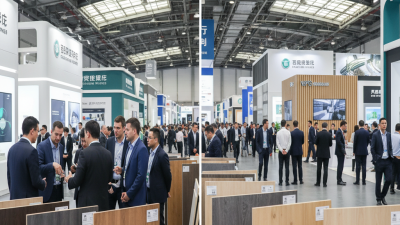
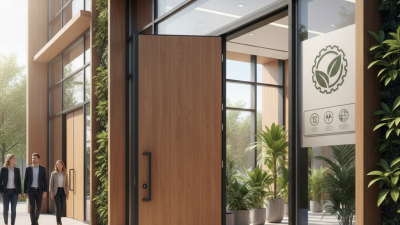
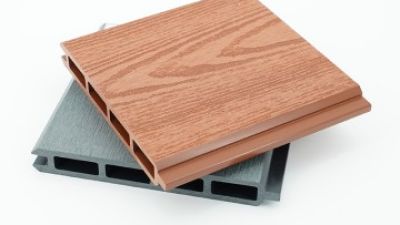
As more people are looking for sustainable building materials, the Wpc Wall Panel Interior market is really picking up steam. I came across a recent report from MarketsandMarkets that predicts the global WPC market could hit around $9.2 billion by 2025. A big reason? Folks are more aware than ever of eco-friendly options. WPC (which stands for Wood Plastic Composite) is basically a mix of wood fibers and plastic—it's durable, looks good, and handles moisture pretty well. That makes it pretty popular for indoor spaces.
Big players like Trex and UPM are driving innovation in this space—they’re always coming up with new ways to meet the growing demands. But, honestly, it’s not all smooth sailing. Product quality can really vary from one manufacturer to another. Sometimes you get panels that discolor or fade faster than you'd like, so choosing carefully really matters. Navigating this market can be a bit overwhelming, especially with marketing claims that aren’t always 100% honest. That’s why it’s so important to find trustworthy suppliers who deliver on quality.
For folks buying Wpc Panels worldwide, understanding what to look for is pretty crucial. You gotta think about stuff like how eco-friendly the product is, how much maintenance it’ll need, and whether it matches your aesthetic vibe. Sticking with reputable brands usually means you end up with something that not only looks good but also supports your sustainability goals. As WPC keeps evolving, staying in the loop and regularly re-evaluating your choices will help you make smarter decisions down the line.
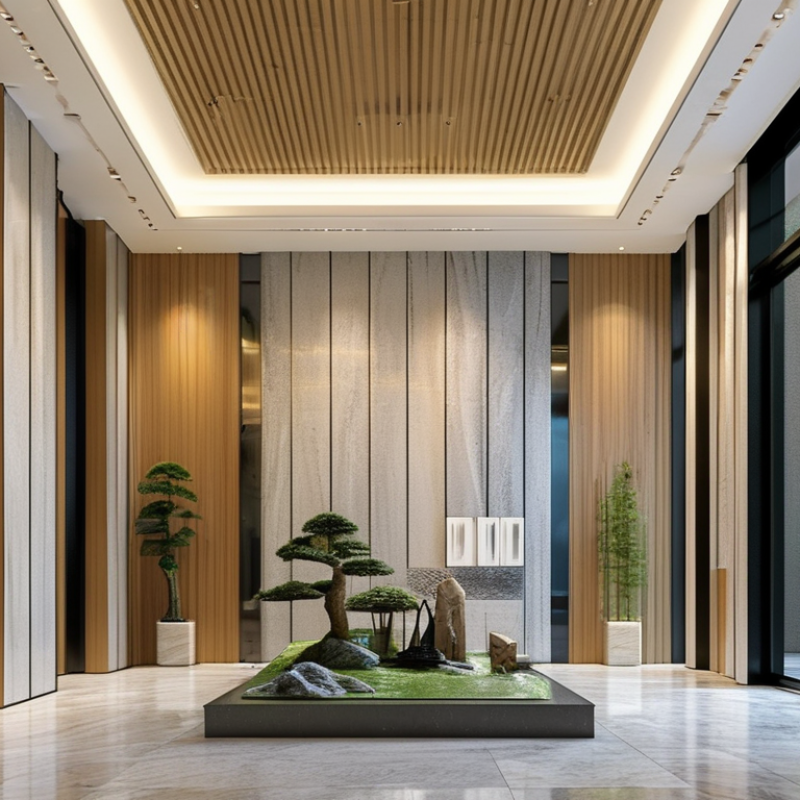
Overview of WPC Wall Panels and Their Advantages
WPC wall panels are gaining popularity in interior design. They are made from wood-plastic composite materials, combining natural wood fibers with thermoplastics. This unique blend offers multiple benefits. According to a recent industry report, the global WPC market size is projected to reach USD 10.3 billion by 2028, driven largely by residential applications.
One significant advantage of Interior Wpc Wall Panels is their durability. They resist moisture and are less prone to warping and cracking compared to traditional wood panels. A study highlighted that moisture-resistant materials can reduce maintenance costs by up to 30%. Additionally, these panels are lightweight and easy to install. This makes them a convenient choice for remodels and new constructions.
Moreover, WPC wall panels are eco-friendly. They can be made from recycled materials, aligning with sustainable building practices. However, it is essential to choose products with proper certifications to ensure quality. With the rise in demand, many manufacturers claim to offer superior products, making the selection process daunting for buyers. Balancing quality and price remains a challenge in the WPC market.
Market Trends and Demand for WPC Panels in Global Interiors
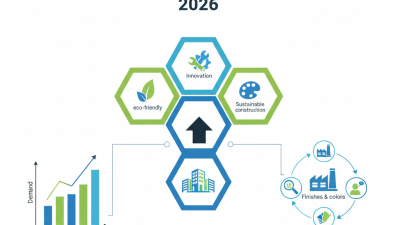
The global demand for Wpc Interior Wall Panels has surged, driven by various market trends. According to a recent report by Grand View Research, the WPC market is expected to reach USD 2.9 billion by 2026, growing at a CAGR of 19.5%. This growth highlights the increasing preference for durable and sustainable building materials. The appeal of WPC interior wall panels lies in their ability to mimic natural wood while being resistant to moisture and pests.
Consumers are increasingly looking for eco-friendly options. WPC panels are made from recycled materials, reducing environmental impact. This aligns with the trend towards sustainable construction practices. Moreover, the aesthetic versatility of WPC interior wall panels is undeniable. They can enhance the visual appeal of various interior designs, from modern minimalism to rustic charm. Market research indicates that nearly 30% of buyers prioritize aesthetics in their purchasing decisions.
Challenges do exist, however. Some buyers question the long-term durability of WPC products. Misconceptions regarding maintenance requirements may deter potential customers. Additionally, fluctuations in raw material prices can impact the affordability of these panels. While WPC interior wall panels present significant advantages, ongoing education about their benefits and proper care is essential. As the market evolves, addressing these concerns will be vital for sustained growth.
Market Trends in WPC Wall Panels for Global Interiors
This bar chart represents the demand for WPC wall panels in various regions across the globe. The data reflects consumption trends based on a survey conducted in 2023.
Top Manufacturers of WPC Wall Panels in China
WPC (Wood Plastic Composite) wall panels are gaining traction globally due to their durability and aesthetic appeal. The demand for these materials continues to rise, with the global WPC market projected to reach $9.5 billion by 2026, according to recent industry reports. China's manufacturing capabilities play a crucial role in meeting this demand. However, not all manufacturers maintain the same commitments to quality and sustainability.
Several key manufacturers in China are pushing the envelope in terms of technology and eco-friendliness. They are investing in advanced production techniques that reduce waste and improve material strength. Statistical data shows that companies with a focus on sustainability reported a growth rate of 15% in the last year, outperforming competitors. However, challenges remain, such as inconsistent product quality and varying compliance with international standards.
The choice of a suitable WPC wall panel manufacturer can impact both project success and sustainability goals. Buyers are urged to consider factors such as certifications and production methods when selecting suppliers. Transparency in sourcing materials is another area needing improvement across the industry, highlighting the need for more rigorous standards. This ensures that products are not only visually appealing but also responsible choices for the environment.
Key Features and Properties of Quality WPC Wall Panels
When considering WPC wall panels for interior decoration, quality matters greatly. WPC, or Wood-Plastic Composite, is known for its durability and aesthetic appeal. Reports indicate that the market for WPC products is growing robustly, with an expected growth rate of 12% annually until 2025. This rapid expansion signals a shift in buyer preferences towards sustainable materials that are both functional and visually pleasing.
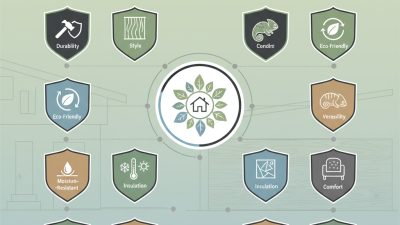
Key features include moisture resistance, making WPC suitable for various indoor environments. Unlike traditional wood, WPC does not warp or swell, ensuring longevity. Many panels offer a variety of textures and finishes, allowing for creative interior design options. However, the consistency of this quality can vary. Some products may lack the longevity promised, which highlights the need for thorough research before purchasing.
Tip: When selecting WPC wall panels, always check for certifications. Quality assurance can indicate the panel's resilience and performance over time. Pay attention to user reviews, as they can provide insight into real-world application. Wpc Wall Panel Interior Decoration can transform spaces, but it's essential to choose wisely.
Sustainable Practices in WPC Wall Panel Production
Sustainable practices in WPC wall panel production are vital for environmental preservation. This process combines wood fibers and recycled plastics, reducing waste significantly. Many manufacturers are embracing eco-friendly materials. They aim to lessen their carbon footprint while providing high-quality wall panels.
While the production methods are improving, challenges remain. Not all suppliers prioritize sustainability, which can lead to varying quality. Global buyers should be vigilant and ask questions. Transparency in sourcing is crucial. Not every product labeled as "eco-friendly" genuinely meets sustainability standards.
Some manufactures are investing in renewable energy sources. This transition could further lower emissions in production. However, the industry still struggles with recycling used WPC materials effectively. Continuous innovation is essential for long-term sustainability. Every improvement helps, yet there is still much work ahead.
Installation and Maintenance Tips for WPC Wall Panels
WPC wall panels are a popular choice for interior design. They offer durability and aesthetic appeal. However, proper installation and maintenance are crucial for longevity. Begin by ensuring your surface is clean and dry before installation. This step prevents future adhesion issues.
When installing, use the right tools for precision. A level is essential to ensure your panels are straight. It’s important to leave a small gap at the edges. This allows for expansion and contraction over time. For maintenance, simple cleaning is often enough. Use a mild soap and water solution. Avoid harsh chemicals that might damage the finish.
Pay attention to the environment where the panels are installed. Humidity and temperature changes can affect performance. It's wise to check for any signs of warping or fading over time. Regular inspections help to catch any issues early. With thoughtful installation and care, WPC wall panels can enhance any space beautifully.
China Best WPC Wall Panel Interior Options for Global Buyers
| Panel Type | Dimension (mm) | Color Options | Durability (Years) | Maintenance Tips |
| Classic WPC | 3000 x 200 x 15 | Brown, Grey, Cream | 15 | Clean with mild soap and water |
| Textured WPC | 3000 x 150 x 20 | Walnut, Teak, Beige | 20 | Avoid harsh chemicals |
| Decorative WPC | 3000 x 250 x 18 | White, Black, Charcoal | 25 | Regularly inspect for damage |
| Eco-Friendly WPC | 3000 x 200 x 12 | Natural, Light Grey | 15 | Use a soft cloth for cleaning |
Cost Analysis: WPC Wall Panels vs. Traditional Materials
WPC wall panels have positioned themselves as a viable alternative to traditional materials in interior design. Cost analysis reveals that these panels often offer significant savings over time. While the initial investment in WPC wall paneling may be higher compared to conventional wood or plywood, the long-term benefits make them attractive. Maintenance costs are lower, as they are less susceptible to rot and insect damage. Over years, this can translate to noticeable savings.
Environmental concerns also play a role. WPC wall panels use recycled materials, allowing for sustainable interior design choices. This contrasts with traditional materials, which may involve deforestation. However, some buyers worry about the quality and aesthetics. Not all WPC options deliver the refined look or durability associated with high-end wood. Additionally, as the market expands, the variance in product quality can make choosing a reliable supplier challenging.
Reflecting on cost comparisons, WPC wall panels, such as Wall Panel Wpc Interior Liso, highlight both advantages and potential drawbacks. Investing in such materials demands careful consideration of both budget and style preferences. Buyers should weigh their options, considering both immediate costs and long-term implications for maintenance and environmental impact.
Enhancing Outdoor Spaces: The Benefits of Moisture Resistant and Stylish WPC Fence Panels
When enhancing outdoor spaces, selecting the right materials is crucial. One innovative option that stands out is WPC (Wood Plastic Composite) fence panels. These panels are crafted by blending recyclable plastics like polyethylene and polypropylene with natural fibers such as wood powder and rice husks, utilizing advanced plastic processing techniques like extrusion and injection molding. This combination not only provides the natural aesthetics of wood but also offers superior weather resistance and durability, making them an ideal choice for outdoor environments.
According to industry reports, the global WPC market is projected to reach $5.2 billion by 2027, driven by an increasing demand for sustainable building materials. WPC fence panels present a unique solution that addresses both environmental concerns and aesthetic desires. With moisture-resistant properties, these panels protect against rot and decay, outlasting traditional wood fences, particularly in humid climates. Furthermore, their stylish designs complement various landscaping styles, ensuring they enhance the visual appeal of any outdoor setting.
Moreover, WPC materials contribute to sustainability efforts, as they incorporate recycled components and reduce the need for virgin timber. As more homeowners and developers seek eco-friendly alternatives in outdoor design, WPC fence panels emerge not only as a practical choice but as a fashionable one as well, providing a lasting investment that marries functionality with style.
FAQS
: The demand is increasing due to trends in durability and sustainability. Consumers prefer eco-friendly, long-lasting materials.
They mimic natural wood and resist moisture and pests. This combination makes them appealing for various designs.
Yes, they are made from recycled materials. This significantly reduces their environmental impact compared to traditional materials.
WPC panels can adapt to many styles, from modern minimalism to rustic looks. Their versatility enhances interior spaces.
Some worry about the long-term durability. Misconceptions about maintenance can also hinder purchasing decisions.
Sustainable practices are essential. They help reduce waste and lower carbon footprints, but not all manufacturers prioritize this.
Inconsistent product quality and compliance with standards are ongoing issues. Transparency in materials is also needed.
Buyers should check for certifications and production methods. Understanding a manufacturer’s sustainability commitment is key.
Many are investing in advanced techniques that reduce waste and enhance material strength. This helps meet growing demand.
Effective recycling of used WPC materials is still an industry struggle. Continuous innovation is needed for better solutions.
Conclusion
WPC wall panel interior options have gained significant popularity among global buyers due to their unique advantages, such as durability, low maintenance, and eco-friendliness. As the market for WPC panels continues to grow, an increasing demand for innovative interior solutions is evident. The article outlines key properties of quality WPC wall panels, emphasizing their resistance to moisture and pests, making them a favorite for various applications.
Furthermore, sustainable practices in WPC wall panel production are highlighted, showcasing the industry's commitment to environmental responsibility. Tips for installation and maintenance ensure that users can maximize the longevity of their WPC wall panels. A cost analysis reveals that while WPC panels may come at a higher upfront cost compared to traditional materials, their long-term value and benefits make them an attractive choice for modern interior design.

 Hot Selling