Picking out the right Wpc Outdoor wall panel can really boost your home's curb appeal, but honestly, it's not just a quick grab-and-go kind of decision. You want to think through a few things first. There's a bunch of factors that come into play—like quality, durability, and whether it matches your style. Knowing what you actually need is super important here.
Now, a lot of brands will tell you they’re the best, but let’s be real—not all panels are made equal. Some are built tough and last long, while others might be more about looking pretty. It really depends on where you live and what kind of weather your panels will face. Will they fade in the strong sun? How do they handle humidity or rain? These little details matter.
If you go with a trusted company like XYZ, you'll probably find some good options. They’ve got a nice selection of Wpc outdoor wall panels that strike a good balance between style and reliability. But, heads up—no product is perfect. Some people run into issues with installation or find that maintenance can be a bit of a hassle. Thinking about these things in advance can help you pick something that actually works for your specific situation.
Understanding WPC: What is Wood-Plastic Composite and Its Benefits
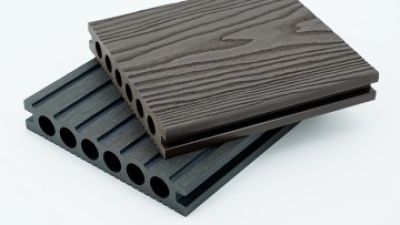
Wood-Plastic Composite (WPC) is gaining attention for its unique qualities. This material combines wood fibers with plastic, creating a strong and durable product. Its resistance to moisture makes it an excellent choice for outdoor applications. Many homeowners appreciate its low maintenance needs, as it doesn't warp or splinter like traditional wood.
WPC is also eco-friendly. It often uses recycled materials, reducing environmental impact. This feature can appeal to environmentally conscious consumers. However, some may argue that it lacks the natural aesthetic of pure wood. Finding the right Outdoor Wpc Wall Panel involves considering your home's style and surroundings.
Potential buyers should also reflect on their climate. Extreme temperatures can affect the integrity of WPC products. It's wise to seek panels designed for your specific weather conditions. While WPC has many benefits, it may not suit everyone's taste or needs. Balancing aesthetics and functionality is key to making the right choice.
Key Factors to Consider When Choosing WPC Outdoor Wall Panels
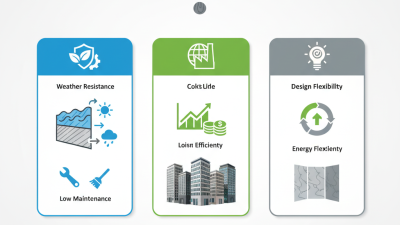
When selecting a Wpc Outdoor Wall Panel, durability is a primary consideration. Industry reports indicate that Wpc Materials can offer up to 50% more resistance to moisture and UV rays than traditional wood. This durability can significantly reduce maintenance costs and increase the lifespan of your outdoor installations. If your area experiences harsh weather conditions, look for panels specifically designed for such environments.
Aesthetics play an essential role as well. WPC outdoor wall panels come in various colors and textures, mimicking natural wood without the associated drawbacks. A report from a leading design institute highlighted that 65% of homeowners prefer the natural look of WPC over synthetic alternatives. This preference indicates a growing trend towards eco-friendly and visually appealing materials.
Cost is another factor. While WPC outdoor wall panels might have a higher upfront cost compared to traditional options, the long-term savings on maintenance and replacement can be significant. The National Association of Home Builders noted an increase in homeowners opting for durable materials, suggesting a shift in mindset towards quality over cost. Yet, it’s essential to weigh these benefits against your budget and specific needs. Some choices may not be ideal if they don’t fit your project's financial framework.
How to Choose the Best WPC Outdoor Wall Panel for Your Needs? - Key Factors to Consider When Choosing WPC Outdoor Wall Panels
| Factor | Importance Level | Description |
| Material Quality | High | Ensure the panels are made from high-quality WPC for durability and longevity. |
| Weather Resistance | High | Choose panels designed to withstand harsh weather conditions. |
| Aesthetic Appeal | Medium | Select colors and finishes that match your design preferences. |
| Maintenance Requirements | Medium | Look for options that require minimal maintenance for convenience. |
| Installation Process | Medium | Consider ease of installation and whether professional help is needed. |
| Cost | High | Evaluate your budget and find panels that offer a good balance of cost and quality. |
| Eco-Friendliness | Medium | Select products that are environmentally friendly and sustainable. |
Durability and Weather Resistance: Evaluating WPC Performance Data
When choosing WPC outdoor wall panels, durability and weather resistance are crucial factors. WPC, or wood-plastic composite, offers a unique blend of materials, enhancing performance in various climates. According to industry reports, well-manufactured WPC can resist water absorption by 20% less than typical wood. This resistance is vital for longevity, especially in regions with heavy rainfall.
In terms of performance under various weather conditions, WPC panels maintain structural integrity at extreme temperatures. Research shows that high-quality WPC can withstand temperatures between -40°F and 140°F without significant deformation. However, some lower-grade products may warp or crack, emphasizing the need for careful selection. It's important to review detailed performance data when comparing different options. While many panels boast impressive properties, not all fulfill these claims in real-world applications.
Moreover, the aesthetic appeal should not be overlooked. Many consumers desire the look of natural wood without compromising on maintenance or durability. While WPC offers visual warmth, the surface texture can vary significantly between manufacturers. This inconsistency means evaluating samples in person is recommended. Investing time in this process can lead to better decision-making. Aim for quality, but be wary of claims that seem too good to be true.
Durability and Weather Resistance of WPC Outdoor Wall Panels
This bar chart illustrates the performance of various WPC outdoor wall panels based on durability and weather resistance metrics. The data reflects the average ratings out of 10, considering factors such as UV resistance, moisture resistance, and impact resistance.
Design and Aesthetic Options: Customizing Your Outdoor Space
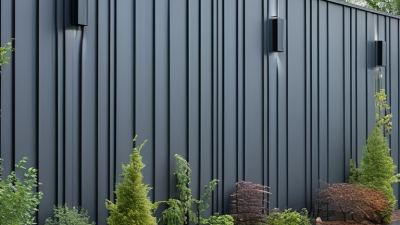
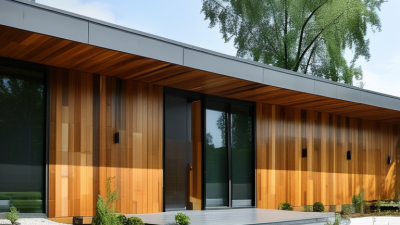
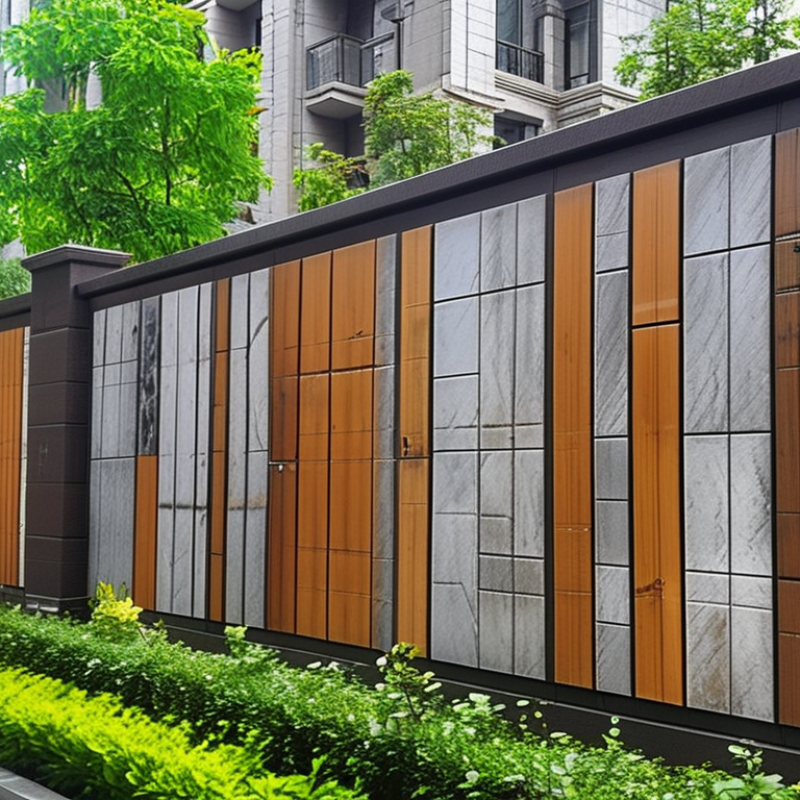
When customizing your outdoor space with WPC outdoor wall panels, consider your design preferences. Different colors and textures can evoke distinct moods. Whether opting for a natural wood look or a sleek modern surface, the choice impacts the overall ambiance. Incorporating panels that complement your existing architecture adds harmony to the landscape.
Tips: Look for samples before purchasing. This helps in visualizing how the panels will blend with other elements in your space. Consider how light interacts with colors, too. Shadows and highlights change throughout the day.
A unique pattern can also transform a bland area into a stunning focal point. Mixing various sizes or shapes can make the design more dynamic. However, be cautious—too much variation might create chaos rather than beauty. Striking the right balance is key.
Tips: Think about maintenance. Some finishes fade or weather differently over time. Make sure your chosen panel style remains functional and appealing long-term. It's also useful to consult with professionals who have experience with similar projects for better insights.
Maintenance Requirements: Ensuring Longevity of WPC Panels
When it comes to maintaining WPC (Wood Plastic Composite) outdoor wall panels, proper care is key to ensuring longevity. Research indicates that proper maintenance can extend the lifespan of these materials up to 30 years. Regular cleaning is essential. It’s recommended to wash panels every 6 months with mild soap and water to remove dirt and grime.
Additionally, avoiding harsh chemicals helps preserve the surface finish. UV exposure can lead to color fading. Using protective coatings designed for WPC materials can reduce this effect. Some data suggests that 40% of WPC panel deterioration is due to sun exposure.
Tip: Regular inspections can catch problems early. Look for signs of warping or cracking. Address issues immediately to prevent further damage.
In climates with heavy rainfall, ensure proper drainage around the panels. This minimizes water accumulation that could lead to mold growth. According to industry studies, water retention is a significant factor in WPC degradation.
Tip: Consider using sealants that help repel moisture. While WPC panels require less maintenance than traditional wood, being proactive is essential. This is especially true for products like China Wpc Wall Panel Outdoor, which are designed for durability but still need care to maintain their appearance and functionality.
Cost Analysis: Comparing WPC to Traditional Wall Materials
When comparing WPC (Wood Plastic Composite) to traditional wall materials, cost becomes a significant factor. A study from the Construction Industry Institute indicates that WPC panels can reduce installation costs by up to 20%. This is primarily due to their lightweight nature, which allows for easier handling and quicker installation. Traditional materials, like wood or brick, often require more labor and time, leading to higher overall expenses.
Durability is another area where WPC shines. Typically, WPC panels can last 25 years or more with little maintenance. In contrast, wood may suffer from rot and pest issues, leading to replacement costs. The National Association of Home Builders reported that homeowners spend an average of $300 annually on wood upkeep. WPC requires minimal maintenance, saving homeowners time and money over the years.
While WPC materials have clear advantages, it’s vital to consider their environmental impact. Not all WPC products are created equal, and some may contain harmful additives. Certification from reputable organizations can help ensure reliability. Buyers must research these aspects thoroughly before selecting WPC panels, balancing cost with environmental consciousness.
Sustainability and Environmental Impact of WPC Products
When considering the sustainability and environmental impact of WPC (Wood Plastic Composite) products, it’s vital to recognize their potential benefits. Many studies show that WPC materials often use recycled wood and plastic, reducing landfill waste. A report by the American Chemistry Council highlighted that recycling plastic can save up to 60% of the energy compared to producing new plastic. This makes WPC panels an environmentally friendly choice for outdoor applications.
Choosing the right WPC outdoor wall panel can also contribute positively to the environment. The production process emits fewer greenhouse gases when compared to traditional materials like wood or concrete. In fact, a study in the Journal of Cleaner Production indicated that WPC could reduce carbon emissions by about 40% per unit of material produced.
Tips: Look for panels that incorporate a high percentage of recycled content. The more recycled materials used, the lighter the environmental footprint. Additionally, consider panels that are locally sourced, as they reduce transportation emissions. Always check for certifications that verify the sustainability claims of residential and commercial applications of Wholesale Wpc Wall Panel Outdoor. Making informed choices helps support a greener future and promotes the use of sustainable building materials.
Choosing the Right Flooring for Outdoor Spaces: Terraces, Gardens, and Poolside Areas
When it comes to selecting the right flooring for outdoor spaces like terraces, gardens, and poolside areas, WPC (Wood Plastic Composite) outdoor flooring has emerged as a popular choice among homeowners and designers alike. This innovative material combines wood fibers with plastic composites, resulting in a durable option that withstands the challenges of outdoor environments. According to a recent market analysis, the WPC flooring market is projected to grow at a compound annual growth rate (CAGR) of over 12% from 2021 to 2028, reflecting its increasing acceptance and demand.
WPC flooring not only offers aesthetic appeal, mimicking the look of natural wood, but it also provides practicality—resisting moisture, mold, and UV rays. Studies have shown that WPC can last up to 25 years with proper care, which is significantly longer than traditional wooden decking. Additionally, its slip-resistant surface makes it an ideal option for poolside areas where safety is a concern. This combination of longevity, safety, and low maintenance appeals greatly to those looking to enhance their outdoor spaces.
Furthermore, WPC flooring contributes to sustainability goals. Many manufacturers use recycled materials in their production, aligning with the increasing demand for eco-friendly building materials. Given the growing awareness about environmental impact, WPC’s ability to reduce deforestation and landfill waste plays a crucial role in its popularity. As outdoor living continues to gain prominence, choosing WPC flooring is not just a practical decision; it's a step toward responsible living.
FAQS
: Focus on durability, aesthetics, cost, and design. Durability is key for reducing maintenance.
WPC panels resist moisture and UV rays better. They last longer and cut maintenance costs significantly.
Yes, they come in many colors and textures, mimicking natural wood. You can customize your outdoor space creatively.
Sustainability is significant. WPC panels often use recycled materials, reducing landfill waste and lowering carbon emissions.
Yes, mixing styles can create dynamic designs. However, be cautious of excessive variation which may disrupt harmony.
Absolutely, some finishes may fade over time. Choose a style that remains functional and visually appealing for years.
Balance the initial higher costs against long-term savings. Ensure your choices fit within your project's budget constraints.
Look for panels with high recycled content and local sourcing to minimize transportation emissions. Check for certifications too.
Yes, samples help visualize how panels will look in your space. Consider how natural light affects color during the day.
Design influences mood and ambiance. Thoughtfully chosen panels can enhance the overall atmosphere and complement your architecture.
Conclusion
WPC Outdoor Wall Panels, made from wood-plastic composite, offer a range of benefits that enhance outdoor spaces. Understanding the properties of WPC is crucial, as it combines the aesthetic appeal of wood with the durability and weather resistance of plastics, making it a reliable choice for exterior applications. When selecting WPC panels, key factors include assessing their performance data for longevity and resilience in varied climates.
Design options for WPC Outdoor Wall Panels allow for customization to suit personal preferences, while maintenance requirements are minimal compared to traditional materials, ensuring ease of care. A thorough cost analysis can help homeowners compare these panels with conventional wall materials, revealing their economic advantages. Additionally, sustainability is a significant consideration, as WPC products are designed with environmental impact in mind, making them a responsible choice for eco-conscious consumers.

 Hot Selling