Picking out the right materials for a construction project can sometimes feel pretty overwhelming. Lately, Paneles Wpchave become super popular because they’re so versatile and sturdy. John Smith, who’s well-known in the WPC world and heads up GreenBuild Solutions, always says, "Choosing the right Wpc Panel is a big deal for making your project successful."
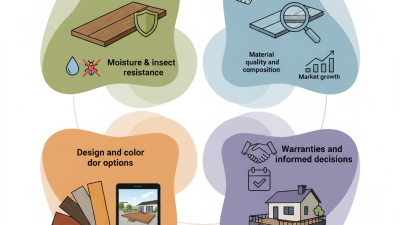
Honestly, the market’s kind of packed with options, which can throw even veterans off track. These panels come in all sorts of colors, textures, and sizes, so understanding what they can do is pretty important if you want to make smart choices. For example, some panels are better at resisting moisture—perfect if you're working in really humid places. Others might last longer, meaning fewer repairs and a better bang for your buck.
Of course, it’s also good to keep in mind that not all panels are perfect. Some might not look quite as natural or woodsy as real timber, and the quality can sometimes be a bit inconsistent. That’s why taking the time to evaluate and compare your options is so important—to pick the best fit for your project. Don't forget to keep an eye on expert opinions and customer reviews—they can really help steer you in the right direction.

Understanding WPC Panels: Definition and Composition
WPC panels, or Wood-Plastic Composites, are increasingly popular in various construction projects. They combine wood fibers and plastic materials, making them durable and versatile. This composition results in a product that resists moisture, insects, and decay. Many users appreciate their low-maintenance nature, which means less hassle over time.
Understanding the composition of WPC panels is crucial. These panels generally consist of about 60% wood, 30% plastic, and 10% additives. The wood gives them a natural look, while the plastic enhances durability. However, not all WPC panels are created equal. Some may use lower-quality materials, affecting performance. It’s essential to examine the panel's specifications and the sourcing of its components.
A common misconception is that all WPC panels perform similarly. Variability in manufacturing processes leads to differences in strength and longevity. It can be frustrating to choose the right type, especially with mixed reviews. It's better to consult experts or thoroughly research before purchasing. Evaluating your specific needs is paramount for optimal results.
How to Choose the Best WPC Panels for Your Project?
| Dimension | Description | Recommended Usage | Durability |
| Thickness | Common thicknesses range from 5mm to 25mm | Wall cladding, decking, furniture surfaces | High resistance to wear and tear |
| Color Options | Available in various colors and finishes | Exterior and interior design applications | Color fastness to UV rays |
| Surface Texture | Smooth, textured, and wood-grain finishes | Decking, fencing, and Decorative Wall Panels
| Scratch and stain resistant |
| Moisture Resistance | Composite materials that resist water damage | Areas prone to moisture like bathrooms and kitchens | Excellent longevity in humid environments |
| Environmental Impact | Made from recycled materials, reducing waste | Sustainable building practices | Supports eco-friendly construction |
Key Advantages of Using WPC Panels in Construction Projects
WPC panels, or Wood Plastic Composite panels, offer significant advantages for construction projects. Their unique composition combines wood fibers and plastic. This results in a durable material that is resistant to rot and decay. Many builders appreciate this longevity, especially in outdoor applications. The resistance to moisture is an important consideration. In regions with heavy rainfall, traditional materials can suffer damage. WPC panels hold up well, providing reliable support.
Another key benefit is the eco-friendly nature of WPC panels. They are often made from recycled materials, making them a sustainable choice. With environmental concerns growing, many projects prioritize sustainability. This aligns well with the demand for greener construction solutions. However, some still view WPC as less traditional. This perception can lead to skepticism.
Installation is also straightforward, saving time and labor costs. Many contractors note the ease of cutting and fitting these panels. Yet, challenges may arise, especially regarding the correct tools. Ensuring precision during installation is vital for achieving the desired aesthetic. In some cases, mistakes can lead to extra expenses. Finding the right balance between cost and quality remains essential in every project involving Paneles De Pared Wpc.
Factors to Consider When Selecting WPC Panels for Durability
When selecting WPC panels, durability is a critical factor. Research shows that WPC panels offer a lifespan of approximately 25-30 years under optimal conditions. The right choice depends on their manufacturing process and the ratio of wood to plastic used. High-quality WPC panels typically contain a blend of 50-70% wood fibers and 30-50% recycled plastics. This combination contributes to enhanced strength and resistance against water, mold, and UV degradation.
Another essential aspect to evaluate is the panel's surface treatment. Some panels feature capstock technology, providing an additional layer of protection. According to industry studies, these treated panels can reduce wear by up to 35% compared to untreated options. Furthermore, understanding the geographic climate can influence your choice. In humid areas, moisture-resistant WPC panels can outperform standard varieties.
It's vital to consider aesthetic options as well. Design elements, such as texture and color, play a significant role in your project's overall look. Some consumers may choose solely based on appearance but neglect durability features. This oversight can lead to premature deterioration, impacting both function and visual appeal. Therefore, a balanced approach is necessary in choosing the best Paneles Wpc Exterior for lasting performance.
Evaluating WPC Panel Environmental Impact and Sustainability
When choosing WPC (Wood Plastic Composite) panels, it’s crucial to evaluate their environmental impact and sustainability. WPC panels combine natural wood fibers with recycled plastics, which can minimize waste. However, not all WPC materials are created equal. Some manufacturing processes release harmful emissions. It’s important to source panels that prioritize eco-friendly methods.
Check if the WPC panels are certified by environmental standards. Look for certifications like FSC (Forest Stewardship Council) or similar. These markers indicate responsible sourcing of wood fibers and sustainable practices. Eco-friendly WPC panels reduce the carbon footprint. They help protect natural resources.
Tips for responsible selection:
- Research local manufacturers who prioritize sustainability.
- Inquire about the sourcing of materials.
- Read reviews about their environmental practices.
The
life cycle of WPC is another aspect to consider. While they can last many years,
disposal practices can vary. Consider how the panels can be recycled at the end of their life. It’s essential to reflect on this process to make informed decisions. Sustainability is not just about the product but also its future.
Comparing WPC Panel Prices: Cost vs. Quality Analysis
When considering WPC panels for your project, price and quality are essential factors. Assessing how these elements interact can guide your decision. Quality materials often come at a higher cost, but they can save you money in the long run. Cheap panels might seem appealing but may require more maintenance or replacement over time.
China Paneles Wpc are a popular choice due to their affordability. Many projects benefit from their lightweight nature and ease of installation. However, lower prices might indicate lower quality. Consider what you truly need for your project. Investing in superior panels could lead to durability and aesthetics that cheaper options might lack.
Always compare different manufacturers and products. Inspect their materials closely. Some panels might look good at first glance but fail to perform under pressure. Be mindful of structural integrity and warranty options. Understanding the balance between cost and quality will ensure your project’s success.
Certification Standards for WPC Panels in the Industry
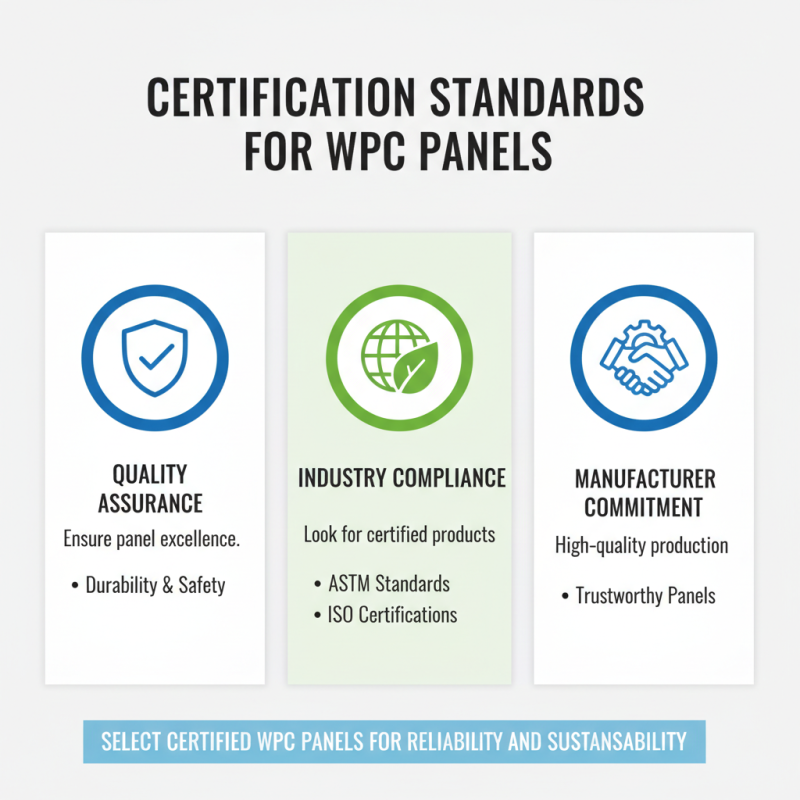
Certification standards play a crucial role in ensuring the quality of WPC panels. When selecting panels, pay attention to compliance with industry standards. Look for certifications like ASTM or ISO that guarantee durability and environmental safety. These certifications reflect a manufacturer’s commitment to producing high-quality products.
Tips: Always check the certificate details. A valid certificate will include the test results and range of applications. If it's vague, question its authenticity.
Not all panels are created equal. Some may meet basic standards but lack performance in specific conditions, such as excessive moisture. Consider panels that are rated for impact resistance and UV stability. These ratings are vital for long-term use, especially in outdoor settings.
Tips: Research the manufacturer's history. A well-reviewed company often adheres more strictly to certification processes. Don’t rely solely on claims; always seek third-party verification.
In the end, your choice of WPC panels should reflect a balance of quality, compliance, and suitability for your project's unique demands. Choose wisely, and invest time in ensuring reliability.
Application Areas: Where to Use WPC Panels Effectively
WPC panels are increasingly popular in various application areas. They are suitable for both indoor and outdoor projects. Decking, fencing, and wall cladding are among the most common uses. According to a recent industry report, the WPC market is projected to grow by over 10% annually. This growth highlights the versatility and reliability of WPC panels.
In outdoor settings, WPC panels offer durability against weather conditions. They are resistant to moisture, making them ideal for decking around pools or patios. These panels require less maintenance compared to traditional wood. A study indicated that WPC can last up to 25 years with proper care. Indoor applications such as wall panels can enhance aesthetic appeal while delivering sound insulation benefits.
Tip: When choosing WPC panels for outdoor use, consider their UV resistance. Panels with higher resistance will retain their color longer.
Using Wholesale Paneles Wpc in your projects can save costs while providing high-quality options. However, not all panels are created equal. Be cautious when selecting a supplier and ensure they adhere to industry standards. Look for certifications that confirm their sustainability practices.
Tip: Always check the warranty offered on WPC panels. A solid warranty indicates manufacturer confidence in product longevity.
The Rising Demand for Sustainable Interior Design: Insights from Recent Studies on Bamboo Fiber and WPC Wall Panels
The demand for sustainable interior design has been steadily rising, driven by increasing consumer awareness about environmental issues and personal well-being. Recent studies highlight bamboo fibers and Wood Plastic Composite (WPC) wall panels as key materials in this evolving landscape. WPC indoor grille wall panels, crafted through a unique combination of wood fibers and plastic, embody the perfect fusion of aesthetics and functionality. According to industry reports, the market for WPC products is projected to grow at a compound annual growth rate (CAGR) of 12% through 2027, reflecting a surge in interest for sustainable building materials.
The inherent properties of WPC materials, such as their durability, moisture resistance, and natural appearance, make them an appealing choice for both residential and commercial spaces. Unlike traditional materials that often suffer from wear and require frequent maintenance, WPC panels offer a low-maintenance solution that retains its visual appeal over time. In fact, a recent survey indicated that nearly 70% of homeowners are willing to invest in sustainable materials when renovating or constructing their homes, emphasizing the crucial role of WPC in sustainable interior design initiatives.
Furthermore, the versatility of WPC panels allows for innovative design possibilities, meeting the evolving tastes of environmentally conscious consumers. As a result of their growing popularity, the construction industry is increasingly adopting these materials to create eco-friendly spaces without compromising on style. This trend is set to bolster the expansion of WPC products, contributing to a more sustainable approach to interior design.
FAQS
: WPC panels consist of about 60% wood, 30% plastic, and 10% additives.
WPC panels last approximately 25-30 years in optimal conditions.
Yes, some panels use lower-quality materials, affecting their performance.
The manufacturing process and the wood-to-plastic ratio are key factors.
Capstock technology provides an extra protective layer, reducing wear significantly.
In humid climates, moisture-resistant WPC panels often perform better than standard types.
Design elements like texture and color should match durability features for longevity.
Look for environmental certifications and inquire about manufacturers’ practices.
Reflect on recycling options at the end of the panels' life for sustainability.
Consulting experts and reviewing materials may prevent costly mistakes and regrets.
Conclusion
When selecting the best paneles WPC for construction projects, it is essential to understand their definition and composition, which typically includes a mix of wood fibers and plastic. The key advantages of using paneles WPC lie in their durability, resistance to moisture, and low maintenance requirements compared to traditional materials.
Factors such as durability, environmental impact, and sustainability play crucial roles in the selection process. It is important to compare prices while considering the quality and certifications that ensure compliance with industry standards. Moreover, recognizing the application areas where paneles WPC can be effectively utilized is vital for maximizing their benefits. By taking these considerations into account, one can make informed decisions to enhance project outcomes.

 Hot Selling