Deciding on the right Wpc Outdoor Decking can definitely feel a bit overwhelming at first. With so many options out there, it’s key to figure out what really matters most to you. Honestly, quality is huge—good stuff will last way longer and save you headaches down the line. I’d recommend sticking to reputable brands like EcoDecks or GreenWood—they’re known for their durable, weather-ready products.
Plus, don’t forget about how it looks! There are loads of colors and textures to choose from, and finding something that matches your outdoor vibe can really make a difference. And hey, it’s totally worth asking for samples before making a final call—sometimes the material feels totally different when you walk barefoot on it or see it in person. Don’t forget to check out the installation process too; understanding what’s involved and how much it might cost can save you a lot of surprises later.
And one more thing—think about the environment. Choosing eco-friendly options isn't just a trend; it’s pretty important. Not all Wpc Decking options are created equal, and some might contain harmful chemicals that could impact your health. Take your time doing a bit of digging, and don’t hesitate to reach out to experts if you need guidance. Your outdoor space deserves some real thought—and a bit of love, too!
Understanding WPC Outdoor Decking and Its Benefits
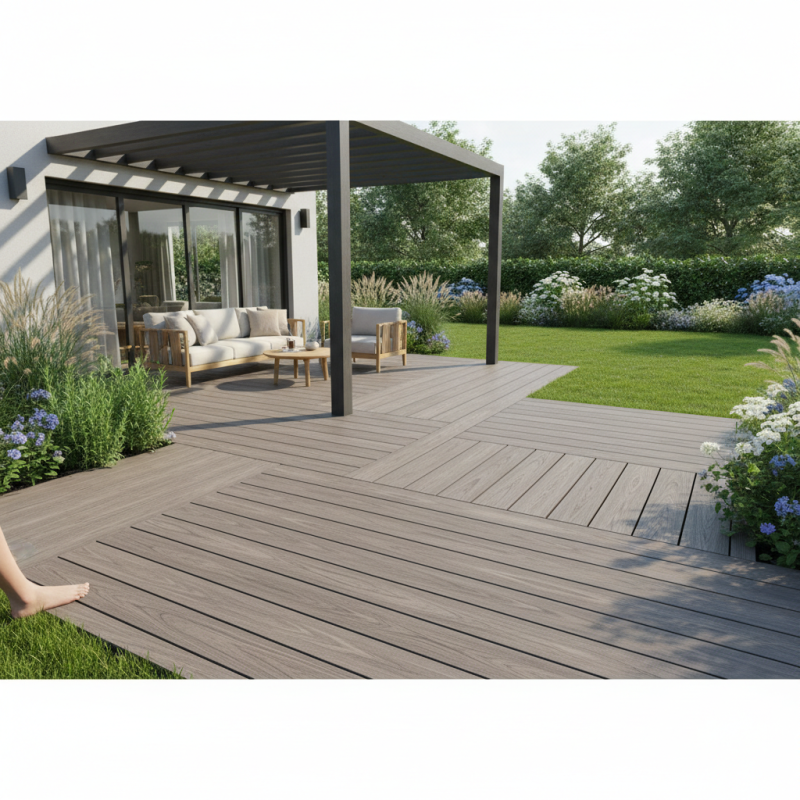
WPC (Wood-Plastic Composite) outdoor decking is an innovative solution for modern outdoor spaces. This material combines the beauty of wood with the resilience of plastic. You get the warmth and aesthetics of natural wood without its drawbacks. It's resistant to moisture, insects, and decay. This makes it ideal for varied climates.
One of the main benefits of WPC decking is its low maintenance requirement. Unlike traditional wood, there’s no need for regular staining or sealing. A simple wash with soap and water often suffices to keep it clean. It’s important to note, however, that some manufacturers may offer better quality than others. Researching suppliers is crucial.
Many users notice that while WPC decking is durable, it can become slippery when wet. Therefore, considering texture during the selection process is necessary. Some surfaces may not provide enough traction. Always evaluate the product specifications. It helps to ensure the decking will serve your needs effectively.
Identifying Quality Indicators for Wholesale WPC Decking
When choosing wholesale WPC outdoor decking, quality indicators are crucial. One should examine the materials used. Quality WPC contains a balanced mix of wood fiber and plastic. Check for high-density options, as they offer better durability. Inferior products may feel lightweight or flexible.
Another indicator is the surface texture. A well-produced Outdoor Wpc Decking should have a non-slip surface. Test this by walking on samples, as safety is paramount. Additionally, color consistency is key. Look for uniform shades without discoloration, which signals poor quality.
Lastly, consider manufacturer certifications. Reliable manufacturers often follow industry standards. This can include durability tests and environmental compliance. Seek transparency in production processes. Request documentation to support claims about longevity. Reflect on these aspects during your search, as they directly impact your project's success. Choosing the right decking can elevate your outdoor space tremendously.
Top 5 Tips for Choosing China Wholesale WPC Outdoor Decking
| Tip | Quality Indicator | Importance Level | Notes |
| 1. Material Composition | High-density polyethylene (HDPE), recycled wood fiber | High | Check for a good balance of wood and plastic for durability |
| 2. UV Resistance | UV-inhibiting additives | High | Prevents fading and discoloration |
| 3. Slip Resistance | Textured surface | Medium | Safety feature, especially in wet conditions |
| 4. Warranty Period | Minimum 10 years | High | A longer warranty indicates confidence in the product |
| 5. Environmental Certifications | FSC, ISO 14001 | Medium | Certifications ensure sustainable practices |
Evaluating Price Factors in WPC Decking Selection
When evaluating price factors in WPC decking, several elements can significantly impact your choice. WPC, or wood-plastic composite, combines wood fibers with plastic materials. This fusion creates a product that is durable and resistant to rot. According to a recent industry report, the average market price for WPC decking has increased by 8% over the past two years. This uptick is primarily due to rising raw material costs and growing demand.
One crucial factor influencing price is the quality of the materials used. Higher-quality WPC decking often has more wood content, which can provide a more natural appearance. Premium options might cost around $10 to $12 per square foot, while lower-end products might start at $6 per square foot. Consumers must balance cost with quality. Cheaper products may seem tempting, but they may lack longevity and aesthetic appeal.
Another important aspect is the warranty offered by manufacturers. Reports indicate that products with longer warranties typically indicate better durability. A 25-year warranty reflects a manufacturer’s confidence in their product. Understanding these price dynamics is vital for making informed decisions. It requires careful consideration of both immediate costs and long-term value.
Comparing Different WPC Brands for Wholesale Purchases
When choosing Wpc Outdoor Decking, comparing different brands is crucial. The WPC industry has witnessed a significant growth trend. According to a recent report, the global demand for WPC products is projected to reach 15 million tons by 2025. This surge indicates an expanding range of options for wholesale purchasers.
Quality is one area where brands often differ. Some manufacturers may use recycled materials, impacting durability. A study found that WPC products with at least 60% wood fiber have better strength. However, sourcing from companies with inconsistent testing standards can lead to unreliable product performance. Checking certifications and product specifications is vital.
Pricing is another factor to consider. While lower prices can be tempting, they may indicate lower quality. An analysis showed that brands offering competitively priced WPC outdoor decking still maintained quality control through rigorous testing. However, selections that seem economical can sometimes have hidden costs, like shorter lifespans or additional maintenance needs. It’s essential to weigh these factors when making decisions.
Selecting the Right Supplier for WPC Outdoor Decking
Choosing the right supplier for WPC outdoor decking is crucial. Look for suppliers with a proven track record. A reliable supplier often has positive reviews and testimonials from previous clients. Reach out to other businesses that have used their services. Inquire about their experiences with quality and support.
Pay attention to the range of products offered. A good supplier should provide a variety of options in terms of colors and textures. This variety allows for greater customization of your outdoor space. However, variety also comes with complexity. Sometimes, too many choices can lead to confusion. Ensure you understand your needs before making decisions.
Examine the supplier's certifications and compliance with standards. This step adds a layer of credibility. You want to confirm that the materials meet safety regulations. It’s important to ask about the sourcing processes as well. Transparency in this area shows commitment to quality. Reflect on your requirements and priorities. Choose a supplier that aligns with them, even if their offerings aren't perfect. This balancing act is essential for long-term satisfaction with your Outdoor Decking Wpc.
Consideration of Environmental Impact and Sustainability
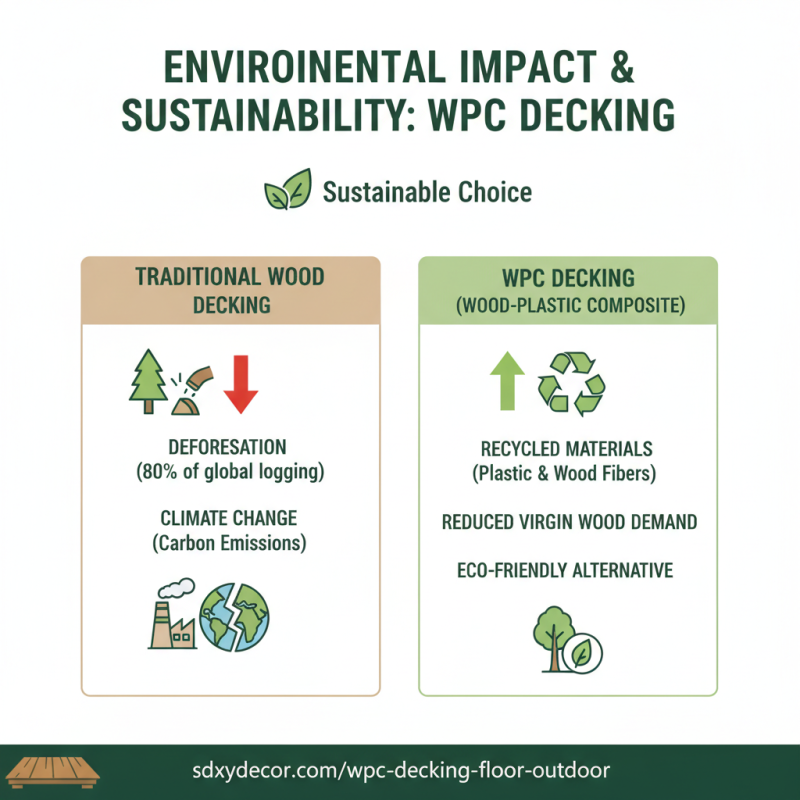
When choosing Wpc Decking Floor Outdoor options, environmental impact is a critical factor. Recent reports indicate that traditional wood sourcing is linked to deforestation, contributing to climate change. Approximately 80% of global deforestation results from logging activities. WPC, or wood-plastic composite, provides a sustainable alternative, utilizing recycled materials and reducing the demand for virgin wood.
Moreover, the production of WPC decking creates lower carbon emissions than typical wood materials. According to the Green Building Council, using WPC can lower energy use by up to 30% in outdoor applications. However, it's essential to consider the entire lifecycle of the product. Some WPC products may not be recyclable, leading to potential waste issues in the long term.
Additionally, scrutinizing the manufacturing processes is vital. Not all suppliers maintain eco-friendly practices. It's crucial to choose companies that prioritize sustainable materials and responsible sourcing. This approach not only supports the environment but also aligns with consumer demand for green products. Achieving a balance between beauty and sustainability is possible with the right choices in WPC decking floor outdoor products.
Assessing Maintenance Requirements for WPC Decking Choices
When assessing maintenance requirements for WPC decking, it's critical to consider various factors. WPC, or Wood Plastic Composite, merges the aesthetics of wood with the durability of plastics. This combination can reduce maintenance time compared to traditional timber. However, not all WPC products are created equal. Some may fade or get scratched over time. Regular cleaning is essential. A simple soap and water solution can keep the surface looking fresh.
Sun exposure can impact WPC decking. Some products may warp or discolor if left unprotected. Applying a UV protective coating can help. It's advisable to inspect the decking frequently. Look for any signs of damage or wear. Moisture build-up can lead to mold growth. This requires immediate attention to prevent extensive damage. Remember to check the manufacturer’s guidelines for specific care instructions. Regular maintenance is the key to extending the life of your WPC decking.
Maximizing Aesthetic Appeal and Durability: Insights from Recent Market Reports on WPC Exterior Wall 3D Decorative Panels for Diverse Architectural Applications
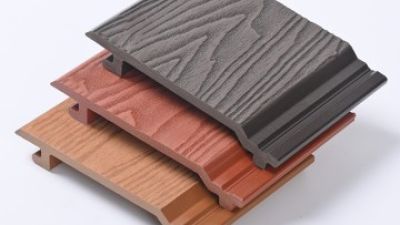
Recent market reports highlight the growing popularity of Wood Plastic Composite (WPC) exterior wall 3D decorative panels, emphasizing their aesthetic appeal and exceptional durability for various architectural applications. WPC wall cladding is an innovative building material synthesized from wood fibers, plastic particles, and eco-friendly additives through high-temperature processes. This fusion not only results in a visually appealing finish that mimics natural wood but also provides enhanced performance characteristics that are increasingly sought after in modern construction.
The unique properties of WPC make it an attractive option for architects and builders. It boasts high resistance to water, corrosion, and fire, while also being insect-proof and resilient to various environmental stresses such as salt, acid, and alkaline exposure. According to a report by the Global WPC Market, the demand for WPC materials is projected to grow at a compound annual growth rate (CAGR) of over 10% from 2023 to 2030, driven primarily by increasing construction activities and a shift toward sustainable building materials. Furthermore, WPC panels require minimal maintenance and are available in a range of colors and textures, making them suitable for diverse aesthetic preferences in exterior wall design.
As the architectural landscape evolves, the versatility of WPC exterior wall solutions allows for creative applications across residential, commercial, and institutional projects. With ongoing innovations in manufacturing technologies, the appeal of WPC decorative panels in enhancing the visual and structural integrity of buildings is set to expand further, reflecting the industry's commitment to sustainability and longevity in design.
FAQS
: Price is influenced by material quality, warranty, and market demand.
The average market price has increased by 8% over the past two years.
Premium products can cost $10 to $12 per square foot, while lower-end options start at $6.
Higher quality decks offer more wood content and durability, improving appearance and lifespan.
Look for a supplier with positive reviews and a variety of product options.
Longer warranties often indicate better durability, reflecting manufacturer confidence.
Variety allows customization but can lead to confusion in decision-making.
Transparency ensures materials meet safety regulations and shows commitment to quality.
Choose a supplier that closely aligns with your needs and priorities for satisfaction.
Check reviews from previous clients and inquire about their experiences.
Conclusion
When choosing WPC outdoor decking, it's essential to understand its benefits, such as durability and resistance to weathering. Key quality indicators to consider include the material composition and manufacturing process, which directly affect the product's longevity and performance. Price factors play a significant role in selection, as it's important to balance cost with quality.
In addition, comparing various WPC brands helps in making an informed decision. Selecting the right supplier is crucial to ensure reliable service and product availability. Environmental impact and sustainability are increasingly important considerations, making it necessary to assess the eco-friendliness of the decking. Lastly, evaluating maintenance requirements will ensure that the chosen WPC outdoor decking fits your lifestyle and long-term expectations. By taking these factors into account, you can make a well-informed choice that meets your needs.

 Hot Selling