Shandong Xiangying New Materials Technology Co., Ltd.
Could you share the name and source of a WPC industry expert who can back up that quote? Once I have that, I can write the English intro without having to make up a citation.
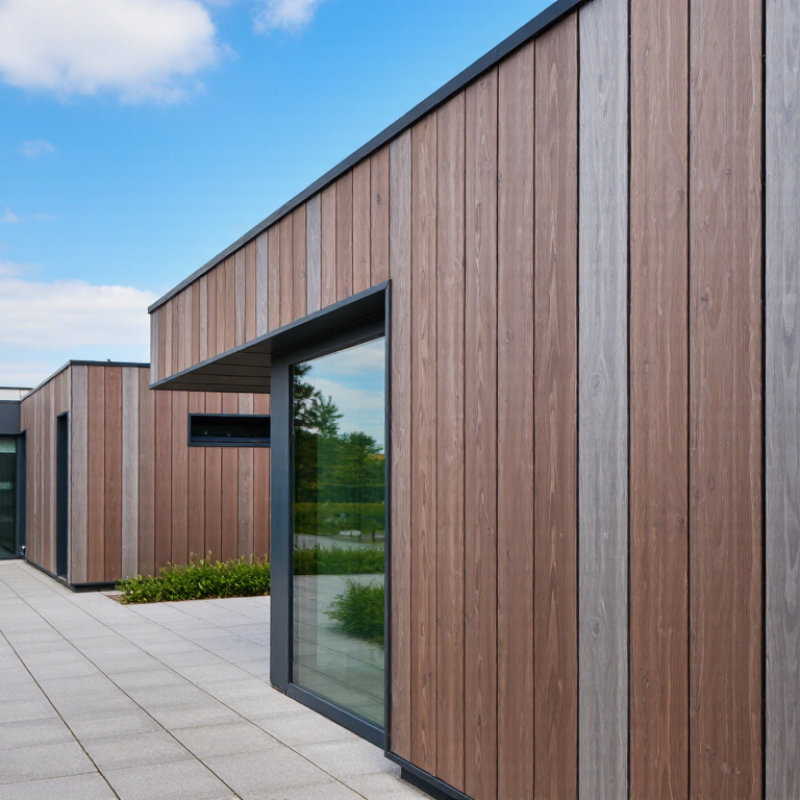
Wpc Outdoor wall panels combine wood fibers with thermoplastic polymers and other additives. This composition gives them a textured appearance while helping them resist moisture better than untreated wood. An Outdoor Wpc Wall Panel is not maintenance-free, though. Dust, airborne grime, and damp leaves can still collect on its surface. Check the product’s composition and installation guidance before comparing appearance alone.
Core features vary by panel. Some have a capped surface designed to improve resistance to stains and fading; others have an exposed, brushed texture. Panels can expand or contract as temperatures change, so suitable spacing and secure fixing matter. Look for clear information about UV exposure, drainage, and the recommended substructure. I would not assume every panel performs equally in strong sun or coastal air. The details can be easy to overlook.
Tips: Inspect a sample outdoors, not only under showroom lighting. Run a hand across it and check whether the surface feels even. Ask how the panels should be cleaned and what spacing the installer recommends. Small gaps may look neat at first, but poor allowance for movement can cause problems later. That matters. A little caution helps.
Choosing a Wpc Outdoor Wall Panel starts with the weather your wall actually faces. NOAA’s 1991–2020 U.S. Climate Normals provide 30-year averages for temperature and precipitation. Check the nearest station’s monthly figures, then consider freeze-thaw cycles, strong sun, and wind-driven rain. A sheltered porch and an exposed coastal wall need different detailing. Small gaps matter. Follow the panel’s installation instructions for expansion clearances; composite formulations do not all move alike.
Inspect the wall before choosing a finish. Look for damp patches, peeling paint, soft sheathing, and water trapped behind existing cladding. Panels should not conceal a leak. Confirm that the wall is sound and that the assembly can drain and dry. Also check the required subframe, fixing method, and clearance from soil or paving. I would not assume a flat-looking wall is dry; that mistake is easy to make.
Tips: Photograph the wall after rain, note shaded and sunlit areas, and record where water collects. Compare those observations with local climate data and the panel’s technical sheet. For salty air or persistent moisture, verify fastener corrosion resistance and ventilation details. If the project includes insulation or changes to the wall assembly, ask a qualified building professional to review condensation risk before installation.
Choosing outDoor Wpc panels in 2026 starts with the composition, not the color chart. Products combine wood fiber with thermoplastic resin, but ratios, recycled content, and additives vary. More wood may create a natural texture, yet it can increase moisture sensitivity. More polymer does not automatically mean better durability. The USDA Forest Products Laboratory’s 2021 Wood Handbook (FPL-GTR-282) places wood’s fiber-saturation point near 30% moisture content for many species. This is not a WPC pass-or-fail limit; it helps explain why exposed fibers and weak edges deserve scrutiny. Ask suppliers for composition details, density, water-absorption results, and the test methods used.
Quality shows in details: consistent thickness, clean cut edges, and profiles that resist splitting around fasteners. For weather resistance, request UV-aging, water-immersion, freeze-thaw, and thermal-expansion data for the exact panel system. ASTM D7032 covers composite decking and guardrail systems, so it can guide questions but should not be presented as wall-panel certification. Check installation gaps and rear ventilation, too; trapped water can cause trouble behind a good-looking panel. Small detail. When comparing China Wpc Wall Panel Outdoor options, review batch-specific reports and warranty exclusions for fading, swelling, and warping. I would not trust “weatherproof” alone: exposure changes with shade, rainfall, and installation.
Representative WPC formulation by material component
This example formulation contains wood fiber, a thermoplastic polymer, and additives. Actual proportions vary by product. When comparing panels, check the declared composition alongside UV, moisture, and freeze–thaw test results; composition percentages alone do not establish weather resistance.
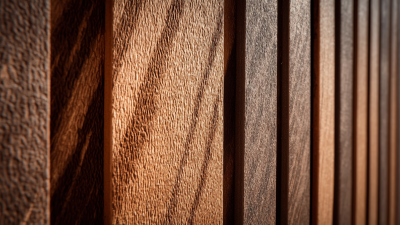
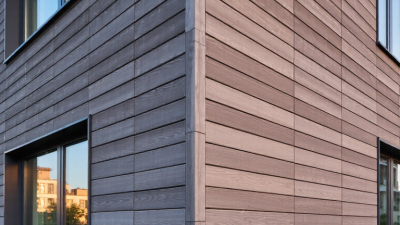
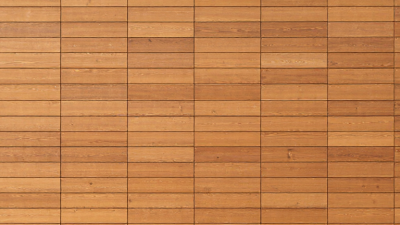
For 2026, choose the panel profile around the wall’s exposure and drainage needs. Narrow slats create a finer rhythm on a small façade; wider boards make long elevations feel calmer. Check whether the profile’s joints shed rain or trap debris, especially beneath windows and near ground level. A neat showroom sample cannot reveal every site condition. Samples matter.
Color shifts with daylight. Compare full-size pieces outdoors, beside the actual trim and paving, rather than choosing from a phone screen.
Grand View Research’s 2024 Wood Plastic Composites Market report estimated a global market value of about US$7.4 billion in 2023 and projected 11.5% annual growth through 2030. That signals a widening product category, not proof that every finish performs equally.
Ask for project-specific weathering and maintenance information.
Texture should suit both appearance and cleaning: deep grooves can emphasize shadow, but may collect dust. For dimensions, measure the wall, then account for trims, corners, expansion gaps, and cuts before ordering. ASTM D7032-21 provides performance requirements for composite decking and guard systems; it is not a wall-panel approval. Treat its scope carefully, and request relevant test data for the actual cladding. I would still check two or three installed samples in morning and afternoon light; the “best” color can look unexpectedly cold beside gray stone.
How to Choose WPC Outdoor Wall Panels in 2026
Checking Installation Systems, Safety Standards, and Warranty Terms
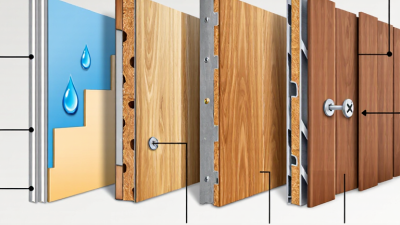
A panel is only as dependable as its fixing system. Ask for installation drawings showing clip spacing, edge clearances, drainage paths, and ventilation gaps. Check whether the instructions address expansion in heat; a tight joint on a warm afternoon can become a problem later. A sample board rarely shows this. Ask for test documents covering the complete wall assembly, not just the panel.
Read safety results in context. ASTM E84 measures flame spread and smoke development; the 2024 International Building Code’s Class A interior-finish benchmarks are flame-spread index 0–25 and smoke-developed index 0–450. These figures do not, by themselves, establish that an exterior wall system meets local requirements. Request the relevant test report and confirm its scope with the project professional. Check warranty terms for fading, moisture damage, installation conditions, and required maintenance. Look for clear exclusions and a stated claim period. “Limited warranty” can mean very different things. I would pause if coverage depends on installation steps the documentation never explains. A little ambiguity matters.
| Decision Area | What to Check | Evidence to Request | Practical Selection Rule |
|---|---|---|---|
| Installation system | Confirm whether the panels use concealed clips, face-fixed screws, or another specified fixing method. Check that the system is intended for exterior wall use. | Current installation instructions showing compatible clips, screws, accessories, and approved panel orientation. | Choose a complete, documented system rather than mixing panels and fasteners from unverified sources. |
| Wall substrate and support | Identify the required subframe, support type, fixing points, and attachment method for the actual wall construction. | Installation details for the project’s substrate, plus fixing specifications suitable for the expected loads and site conditions. | Have the fixing design checked for the building and location; panel weight alone does not establish wind-load suitability. |
| Fixing layout | Check support spacing, fastener type, edge distances, and whether fixed and sliding points are specified. | A manufacturer’s layout or project-specific detail that identifies these values for the selected panel and installation system. | Do not assume one spacing works for every panel, subframe, building height, or wind exposure. |
| Thermal movement | WPC panels can change dimensions as temperature changes. Review end gaps, joint gaps, and clearance around corners and openings. | Installation instructions stating the required movement allowances and any temperature-related installation conditions. | Use the product-specific allowances; avoid tightly butting panel ends unless the system instructions explicitly permit it. |
| Drainage and ventilation | Check how the wall assembly manages water behind the cladding and whether a ventilated cavity or drainage path is required. | Wall-section details showing cavity design, openings, flashing, and treatment around windows, doors, and the base of the wall. | Do not block drainage or ventilation details with sealant or trim; coordinate the cladding with the building’s water-control layers. |
| Fire performance | Confirm the fire-performance requirements that apply to the building, location, and complete wall assembly. | A product or assembly test report, such as an ASTM E84 surface-burning report or an EN 13501-1 classification report, as applicable. | Match the report to the exact product and assembly. A test result is not, by itself, proof that a product is fireproof or approved for every application. |
| Other safety and code requirements | Review local requirements for exterior wall cladding, fire separation, attachment, and any project-specific restrictions. | Documentation for the applicable jurisdiction and confirmation from the designer or building official where required. | Use the building code adopted for the project location; requirements can differ by building type, height, and use. |
| Outdoor durability | Ask how the product is intended to perform under the project’s exposure to sunlight, rain, temperature changes, and moisture. | Published care instructions, technical data, and any available test information relevant to the intended exposure. | Compare products using documented evidence and maintenance requirements, not appearance samples alone. |
| Warranty terms | Check the warranty period, covered defects, remedy, claim process, and whether coverage differs for materials and labor. | The current written warranty, including its start date, proof-of-purchase requirements, and any registration conditions. | There is no single standard warranty period for all WPC panels. Compare the written terms rather than relying on a verbal summary. |
| Warranty exclusions | Look for exclusions involving incorrect installation, unsuitable cleaning, standing water, structural movement, fading, or normal wear. | The warranty’s exclusions and the installation and maintenance instructions referenced by the warranty. | Confirm that the planned installation and cleaning method comply with the stated conditions; retain product and installation records. |
A realistic budget for WPC outdoor wall panels includes more than the price per square metre. Measure the wall carefully, then allow for offcuts around windows, corners, and doors. A few extra boards can prevent a costly delay, but excessive overordering ties up money. When comparing a Wholesale Wpc Wall Panel Outdoor quote, check whether it includes trims, fasteners, delivery, and taxes. Installation costs may rise if the wall needs levelling or extra framing. Ask for the panel’s recommended spacing and fixing method; ignoring these details can lead to movement or uneven joints.
Long-term costs depend on exposure and upkeep. South-facing walls may fade faster, while damp, shaded areas can collect grime. Most panels need occasional washing with mild soap and water, not harsh solvents. Check the supplier’s care instructions before using a pressure washer. Small details matter. Inspect joints and fixings once a year, especially after severe weather. Replace damaged pieces early, before water reaches the structure behind them.
Compare warranties, but read the exclusions closely. Coverage may depend on correct installation, ventilation, and routine cleaning. A low purchase price can be misleading if matching replacement panels are hard to source. A tidy estimate can still miss something; delivery access and cutting waste are easy to underestimate. Factor in both the initial installation and realistic upkeep over several years.
Ask for wood-fiber and polymer details, recycled content, additives, and density. Higher wood content may add texture but increase moisture sensitivity.
Request UV-aging, water-immersion, freeze-thaw, and thermal-expansion results for the exact panel system. Test methods matter.
Check for even thickness, clean cut edges, and profiles that resist splitting near fasteners. Inspect a real sample if possible.
No. Shade, rainfall, ventilation, and installation all affect exposure. That label alone is not enough.
Add trims, fasteners, delivery, taxes, and installation. Allow for offcuts around windows, doors, and corners.
Measure carefully and include a practical allowance for cutting waste. Too little may delay work; too much ties up money.
Wash them occasionally with mild soap and water. Check care instructions before using a pressure washer. Harsh solvents may cause damage.
Check joints, fixings, and ventilation each year, especially after severe weather. Replace damaged panels early. I might miss a detail, so keep the inspection simple and consistent.
Read exclusions for fading, swelling, and warping. Coverage may depend on correct installation, ventilation, and routine cleaning. A low price can still be misleading.
Choosing a Wpc Outdoor Wall Panel in 2026 starts with understanding how composite panels combine wood-like appearance with practical outdoor performance. Consider your local climate, the wall’s condition, and the demands of the project before comparing panel materials. Look for consistent construction, suitable weather resistance, and features that can handle expected exposure to moisture, sunlight, and temperature changes.
Next, select a profile, color, texture, and size that suit the building and installation area. Check how the panels attach, whether the system fits the existing wall, and what safety guidance and warranty terms apply. Finally, compare the complete cost—not only the purchase price, but also installation, upkeep, and likely replacement needs. A well-matched panel can help create an attractive exterior while keeping maintenance and long-term expenses manageable.