Shandong Xiangying New Materials Technology Co., Ltd.
I've seen so many people pick WPC Wall Panels just based on how they look in the catalog or the price tag. But honestly, if you're sourcing these for an international project, that's not nearly enough. You've got to dig into the nitty-gritty: how well do they hold up in different climates? How tricky is the installation? What about fire safety? And let's not forget the supplier—can you actually rely on them? Sure, these panels work great for hotels, shops, offices, even homes, but here's the catch: the quality can be all over the place depending on which factory they come from.
First off, take a good look at the project environment—that's your starting point. Say you're dealing with a humid coastal hotel, for instance; you'd want panels that stay stable, with controlled water absorption and solid surface protection. On the flip side, a cold warehouse? That's a whole different ballgame—you might need different expansion allowances and fixing systems. So when you're talking to suppliers, don't be shy about asking for the nitty-gritty: technical data, installation guides, test reports, and even production samples. A trustworthy supplier should be upfront about the wood-plastic composition—no vague answers. And they should definitely clarify whether those test results come from independent labs or just their own in-house testing.
You know, when you're checking out a sample, it's a good idea to look at the panel weight, how accurate the edges are, the texture consistency, and even the smell. Also, try assembling a few pieces on a clean wall to see how the locking profile fits. Just keep in mind that after temperature changes, you might see small gaps – and that's something people often miss. Honestly, no panel is perfect. Even seasoned buyers can get fooled by pretty photos. That's why a factory audit or a quick video inspection, or even a pre-shipment check, can really save you from headaches.
Cost is one of those things that really needs a closer look, right? I mean, a cheap price per unit might sound great, but it could come with flimsy packaging, or it's a pain to cut, or you end up paying a fortune for replacements. The real question is: what's the total cost when everything's factored in? Think about accessories, pallets, freight, and the labor to install it. That's where the true picture shows up. Look, if you're on the hunt for Wholesale Fence Panels Outdoor 3d Panels, you should totally bring the same kind of scrutiny you'd use when picking out any other outdoor gear. And honestly, when brands talk about 'sustainability' these days, they've got to back it up with real proof—not just some clever marketing jargon. So, what this guide does is bring together two things: the hands-on lessons we've learned from using panels in the field, and the technical specs that you'd look at on paper. That way, you get a balanced picture to make smarter choices—wherever you are, whatever market you're in. And we're not just gonna take supplier promises at face value; we'll point out where they might be overstating things.
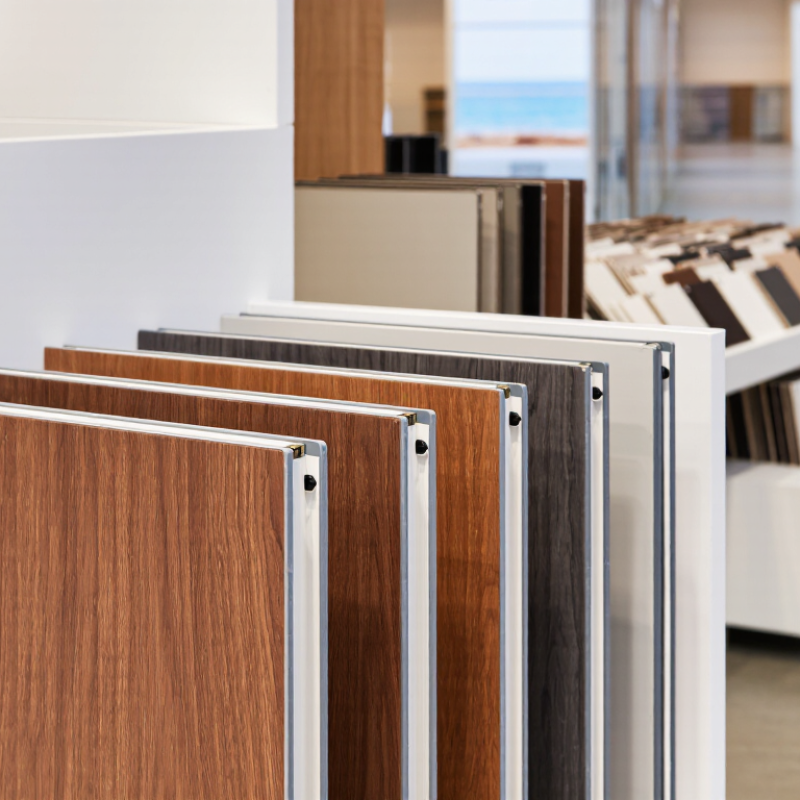
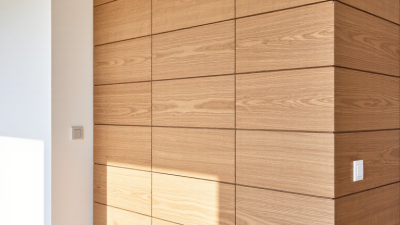
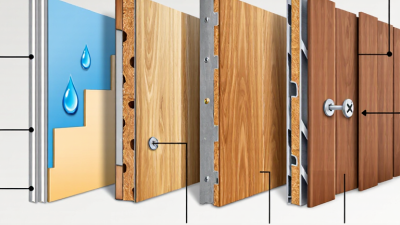
WPC wall panels are interior or sheltered exterior cladding made from wood fiber, thermoplastics, and performance additives. During extrusion, heat and pressure form this mixture into boards with a textured surface and stable profile. Many Wall Panels Wpc use hollow channels to reduce weight, while solid profiles offer greater impact resistance. Their locking edges or trim systems create a continuous wall surface. They do not behave like painted timber. Moisture resistance improves, but it does not mean waterproof installation.
In practice, buyers should request a physical sample and technical datasheet before comparing prices. Check thickness, density, color consistency, edge quality, and the stated expansion range. Hold the sample near a window. Cheap-looking gloss can reveal uneven embossing. Installation normally requires a dry, reasonably flat substrate, measured gaps, and suitable fasteners or adhesive. Leave room around corners and ceilings because heat changes dimensions. Corners matter. In humid rooms, ventilation behind the panels matters. A trapped damp layer can create trouble.
For global projects, confirm testing methods rather than trusting broad phrases such as “eco-friendly” or “fire safe.” Fire performance, formaldehyde limits, and recycling claims vary by destination and application. Ask for reports from competent laboratories and verify whether they match the supplied profile. One overlooked detail is packaging: crushed corners can ruin an otherwise acceptable batch. The honest choice is not always the cheapest. I still find color matching difficult across production lots, especially under different lighting. Order extra material, but question how much is genuinely necessary.
Choosing WPC wall panels for international projects starts with the material recipe, not the surface pattern. Wood fibers provide texture and stiffness, while polymer improves moisture resistance. A stable formulation should balance both ingredients carefully. Too much wood may increase water absorption. Too much polymer can reduce natural appearance and surface grip. Ask suppliers for fiber content, resin type, density, and absorption data. I have found that clear technical sheets reveal more than attractive product photographs.
Tips: Check the panel edges. Dense, even edges usually suggest better processing. Compare samples after soaking and drying. Small changes matter. Also request test reports for fire behavior, slip resistance, thermal expansion, and weather exposure. Requirements differ between coastal, tropical, and cold regions. A panel suitable for Wpc Panels Exterior Wall applications should match the local climate and building code.
Core structure matters just as much. Hollow panels are lighter and easier to transport, but their internal ribs must resist compression and fastening pressure. Solid or semi-solid cores often feel stronger, yet they may add weight and installation cost. Inspect screw-holding performance, connection gaps, and the backing system together. Poor spacing can cause bowing when sunlight heats the surface. I would not rely only on a short laboratory test. Real installations face dust, repeated rain, uneven walls, and careless handling.
One honest limitation remains: no single core design fits every market.
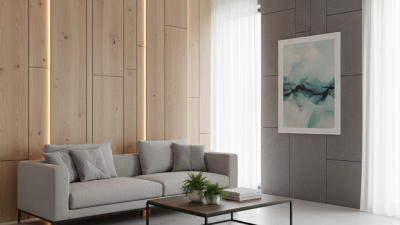
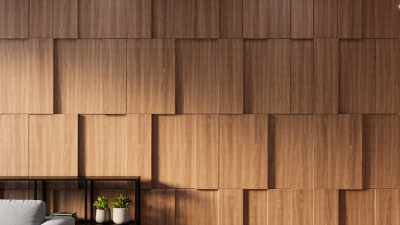
Global buyers should match WPC wall panel designs to exposure, not showroom appeal. Interior spaces usually favor warm grain, narrow grooves, and matte surfaces. These details reduce glare and make bedrooms, offices, and reception areas feel calmer.
Exterior walls need deeper textures, stable colors, and concealed drainage paths. Sunlight, rain, and temperature changes can expose weak designs quickly.
USD 7.1 billion
Grand View Research reported that the global wood plastic composites market reached about USD 7.1 billion in 2023. It also projects an 11.3% compound annual growth rate from 2024 to 2030.
This growth increases product choice, but quality still varies. For outdoor use, check UV resistance, water absorption, thermal expansion, and fixing performance. Request test evidence against relevant ASTM or EN standards.
A beautiful panel without fire documentation is a poor specification. UNEP’s 2024 Global Status Report notes that buildings and construction consume about 32% of global energy and create 34% of global emissions. Lighter systems and durable finishes may support better lifecycle decisions, although recycled content alone does not guarantee sustainability.
Tips:
Use slim Fluted Panels indoors for controlled rhythm.
Choose wider, textured boards outdoors to hide dust and minor movement.
Inspect a full-size sample in direct sunlight.
Ask for maintenance instructions.
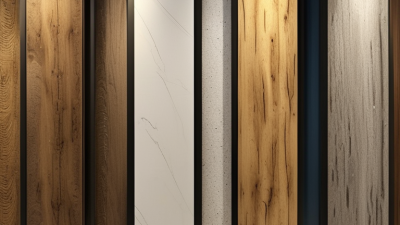
Do not trust color cards alone.
A panel can look premium in a showroom and wrong beside wet concrete. I have seen this mistake repeatedly.
Design judgment still needs technical review.
When comparing China Wall Panels Wpc, buyers should test durability under realistic conditions. ASTM D7031 recommends evaluating water absorption, swelling, impact resistance, and weathering for wood-plastic composites. A dense surface may resist scratches, yet weak edge sealing can allow moisture behind the panel. Ask for test results after ultraviolet exposure, not only factory photographs. I have found that bathroom installations often reveal flaws faster than showroom samples.
Safety requires documented emissions and fire performance. Request formaldehyde data from testing methods such as EN 16516 or ASTM E1333. Also check reaction-to-fire classification under EN 13501-1, because decorative appearance does not indicate fire behavior. Installation adhesives matter too. A low-emission panel can still create indoor pollution if the adhesive is poorly controlled. This detail is easy to miss.
Environmental claims need measurable evidence. The 2023 UNEP Global Status Report states that buildings consume about 34% of global energy and produce around 37% of energy-related emissions. Therefore, compare recycled content, product weight, service life, and transport distance. Prefer an Environmental Product Declaration verified under ISO 14025 and EN 15804. Recycling claims deserve scrutiny: a panel may contain recycled polymer, but mixed materials can complicate end-of-life recovery. The honest answer is sometimes incomplete. Ask for batch records, third-party certificates, and maintenance data from real projects.
| Comparison Dimension | Indoor Decorative WPC | Exterior Co-extruded WPC | PVC Wall Panel | Fiber-Cement Board | Ceramic Tile | What Global Buyers Should Verify |
|---|---|---|---|---|---|---|
| Typical composition | Wood fiber or flour, thermoplastic polymer, pigments, and stabilizers. Common formulations contain approximately 30–70% wood-based filler, but the ratio varies by product. | WPC core with a weather-resistant polymer cap layer. The cap is designed to reduce moisture and UV exposure. | Mainly PVC resin with impact modifiers, pigments, and stabilizers. Usually contains no wood fiber. | Cement, mineral fillers, and cellulose or other reinforcing fibers. | Fired mineral body with a glazed or unglazed surface. | Request the technical data sheet, material declaration, and composition statement for every product series. |
| Moisture resistance | Good for dry and intermittently humid interiors when joints and edges are properly sealed. Not automatically suitable for constant water contact. | Good to very good when the cap, joints, fasteners, and installation details are designed for outdoor exposure. | Very good water resistance, but water can enter through unsealed joints, penetrations, or damaged edges. | Generally moisture-resistant after proper finishing, but prolonged wetting can affect joints and boards. | Very good resistance to liquid water; grout and substrate detailing remain critical. | Check water-absorption results under ASTM D570, EN 317, or another applicable standard, plus an installation water-management guide. |
| UV and color stability | Limited unless the product includes UV stabilizers and is intended for protected interiors. | Better than standard WPC because of the protective cap, but color change can still occur under strong sunlight. | Suitable for interiors; exterior color retention depends on stabilizers and surface quality. | Generally stable, although coatings and colors may weather over time. | Excellent color stability in normal outdoor use; surface finish and glaze type influence performance. | Ask for accelerated weathering data such as ASTM G154, ASTM G155, or ISO 4892, including the exposure duration and color-change result. |
| Dimensional movement | Can expand or contract with temperature and humidity changes. Indoor acclimatization and expansion gaps are important. | Thermal movement is significant compared with mineral products; long runs require engineered gaps and suitable clips or fasteners. | High thermal movement is possible, especially in direct sunlight. | Lower thermal movement than polymer panels, but boards can be affected by moisture and structural movement. | Very low material movement; movement joints are still needed in large installations. | Verify the coefficient of thermal expansion, maximum panel length, joint width, and permitted installation temperature range. |
| Impact and scratch resistance | Moderate to good; embossed or textured surfaces can conceal minor marks. Performance depends on density and surface finish. | Good for normal exterior use; the cap improves surface protection but can still be damaged by sharp impact. | Moderate; thin or hollow profiles may be more vulnerable to impact. | Good resistance to normal impact, but edges can chip during handling or cutting. | Very hard surface, but brittle impact can cause cracking or tile breakage. | Request impact-test results, surface hardness information, panel thickness, and packaging protection requirements. |
| Fire performance | Combustible unless specifically formulated and tested for improved fire performance. | Combustible in many formulations; an exterior cap does not make the panel fireproof. | Combustible or limited-combustibility classification depends on formulation and thickness. | Generally non-combustible or low-combustibility when tested as a board system, subject to the applicable classification. | Non-combustible mineral material in normal building applications. | Require a current classification report under ASTM E84, EN 13501-1, or the code used in the destination market. Check the complete wall assembly, not only the panel. |
| Indoor air quality | Potentially suitable for interiors when low-emission resins, coatings, and adhesives are used. | Usually selected for exterior use; interior application requires documentation for emissions from the complete product. | Emissions depend on resin, additives, printing inks, and installation adhesive. | Generally low-emitting after curing, but coatings and adhesives must also be assessed. | The tile body is typically low-emitting; grout, sealers, and adhesives may affect indoor emissions. | Ask for VOC or formaldehyde test reports using recognized methods such as ISO 16000, ASTM D5116, or an accepted indoor-air certification. |
| Environmental profile | May use wood residues and recycled polymer, reducing virgin-material demand. Composite construction can make recycling more difficult. | Longer outdoor service potential can reduce replacement frequency, but the co-extruded structure is more difficult to separate and recycle. | Can be recyclable where suitable collection exists; chlorine chemistry and additives should be disclosed. | Mineral-intensive production has a relatively high mass and transport impact, but the board is durable and contains no plastic surface film. | Durable and inert in service, but firing requires substantial energy and demolition recycling depends on local infrastructure. | Request recycled-content percentage, wood-sourcing evidence, EPD or LCA data, packaging information, and an end-of-life statement. Do not treat “recyclable” as proof that recycling is locally available. |
| Maintenance and cleaning | Routine dusting and mild detergent cleaning are normally suitable. Abrasive cleaners may damage the finish. | Low routine maintenance; inspect joints, fasteners, drainage paths, and the cap surface periodically. | Easy to clean with non-abrasive products; damaged sections may be difficult to repair invisibly. | May require repainting or coating maintenance depending on the finish and exposure. | Easy to clean; grout lines require regular inspection and maintenance. | Obtain cleaning-chemical limits, stain-resistance information, repair guidance, and replacement-panel availability. |
| Installation considerations | Lightweight and relatively easy to cut. Use a level substrate, suitable adhesive or clips, and ventilation where required. | Requires correct substructure spacing, drainage, ventilation, expansion gaps, and corrosion-resistant fasteners. | Fast installation is possible, but thermal movement and substrate flatness must be controlled. | Heavier and more demanding to cut; dust-control measures and suitable lifting procedures may be needed. | Requires careful substrate preparation, adhesive selection, joint planning, and tile-cutting equipment. | Compare panel weight, carton dimensions, cutting tools, installer skills, local building codes, and replacement-part logistics. |
| Best-fit applications | Feature walls, living areas, offices, retail interiors, and other areas with controlled moisture. | Covered façades, balconies, soffits, ventilated exterior walls, and other applications approved by the system supplier. | Bathrooms, utility areas, commercial interiors, and cost-sensitive wall finishes. | Exterior cladding, high-traffic areas, and projects requiring improved fire performance. | Wet rooms, kitchens, public areas, and applications requiring a hard mineral surface. | Select according to exposure, fire code, impact risk, maintenance needs, and the expected service environment. |
| Key buyer decision | Choose when appearance, lightweight installation, and moderate moisture resistance are priorities. | Choose when outdoor exposure is expected and the supplier can provide verified weathering and installation data. | Choose when low water absorption and easy cleaning are more important than wood-based content. | Choose when fire performance and mineral-board durability are key requirements. | Choose when maximum surface hardness, water resistance, and long-term color stability are priorities. | Base the final decision on independently verified test results rather than appearance, marketing claims, or a single performance rating. |
Note: Performance ranges and classifications are product-specific. Always compare current third-party test reports for the exact panel thickness, surface finish, installation method, and destination-market requirements.
The global wood-plastic composite market reached about USD 7.12 billion in 2023, according to Grand View Research. Its projected 7.0% annual growth increases the need for accurate product checks. Do not trust nominal panel sizes alone. Measure actual length, width, thickness, and usable coverage. Record three measurements from each sample. Small differences can disrupt a full wall layout.
Installation systems vary between concealed clips, direct screws, and batten frameworks. Check whether the system allows thermal movement. Panel length may change under strong sun or seasonal humidity. Request the recommended expansion gap, fixing distance, corner profile, and substrate tolerance. ASTM D7031 provides guidance for evaluating wood-plastic composite products, but it does not replace project-specific installation instructions. A dry test fit helps. It may reveal poor alignment before drilling begins.
Maintenance requirements should match the building’s location. Ask for cleaning methods, surface temperature limits, and resistance data for moisture, staining, and ultraviolet exposure. The Freedonia Group identifies exterior construction as a major WPC application area, where weather exposure affects service expectations. Inspect a sample after simulated cleaning, not only when it looks new. Some textured surfaces collect dust more easily than expected. A slightly imperfect inspection process is still better than relying on attractive photographs. Keep spare panels from the same production batch for future repairs.
Choosing Wholesale Wall Panels Wpc requires more than comparing catalog prices. Grand View Research estimated the global wood-plastic composites market at over US$7 billion in 2023, showing strong construction demand. That growth also attracts inconsistent suppliers. Request factory ownership details, production capacity, recent project samples, and batch-level quality records. A video inspection can reveal panel warping, uneven embossing, or weak edge locking. I learned that attractive samples do not guarantee stable mass production.
Certifications must match the destination market. Ask for ISO/IEC 17025 laboratory reports, not only supplier-issued certificates. Check relevant tests for fire reaction, moisture resistance, dimensional stability, and formaldehyde emissions. ASTM E84 or EN 13501-1 may support fire evaluation, but neither replaces local building approval. Compare total landed cost, including tooling, packaging, inspection, insurance, duties, and inland delivery. UNCTAD’s Review of Maritime Transport reports that over 80% of global merchandise trade by volume moves by sea. Therefore, calculate container utilization carefully. Hollow panels may reduce weight, yet oversized cartons can waste cubic capacity. Confirm loading photos, moisture protection, pallet strength, and Incoterms before payment. A 3% defect rate can erase a small unit-price saving. No checklist is perfect. Recheck claims against independent evidence.
Check wood-fiber content, polymer type, density, and water absorption data. Wood adds texture and stiffness. Polymer improves moisture resistance. Balance matters.
Inspect the edges carefully. Dense, even edges usually suggest better processing. Soak samples, dry them, and compare their shape. Small changes matter.
Hollow cores reduce weight and transport effort. Their internal ribs must resist compression and screw pressure. Poor ribs may cause movement later. Lightweight is not always safer.
These cores often provide stronger fastening and a firmer feel. They also increase weight and installation cost. Stronger is not always better.
Interiors often suit warm grain, narrow grooves, and matte surfaces. These details reduce glare in bedrooms and offices. Exterior walls need deeper textures, stable colors, and drainage paths.
Request evidence for UV resistance, water absorption, thermal expansion, fire behavior, and fixing performance. Local climate changes the requirements. Coastal exposure is different.
Small color cards can hide glare and texture changes. Place the sample beside wet concrete. A showroom finish may look wrong outdoors.
Review screw holding, connection gaps, panel spacing, and the backing system together. Poor spacing can cause bowing during hot sunlight. Uneven walls increase the risk.
Consider weight, durability, maintenance, and service life. Recycled content alone does not prove better performance. I may still overlook something without lifecycle data.
No single core design fits every climate or building condition. Tropical, coastal, and cold regions create different stresses. Real installations are messier than laboratory tests.
Choosing the right Wall Panels Wpc requires more than comparing colors and prices. Global buyers should first understand how wood-plastic composite panels are made, including the balance between wood fiber, polymer content, additives, and core structure. These factors influence strength, moisture resistance, dimensional stability, weight, and overall service life. Panel designs should also match the intended application, whether for interior feature walls, commercial spaces, bathrooms, covered outdoor areas, or other environments. Buyers should review surface finishes, fire and safety performance, environmental characteristics, and resistance to impact, humidity, insects, and fading.
Practical specifications are equally important. Confirm panel dimensions, thickness, joint design, compatible accessories, installation tools, and maintenance requirements before ordering. A reliable supplier should provide clear technical data, quality-control information, relevant certifications, samples, packaging details, and transparent cost calculations. Buyers should also evaluate production capacity, lead times, after-sales communication, shipping arrangements, and import documentation to reduce risks in international trade. Comparing complete lifecycle value rather than only the purchase price can lead to a safer, more durable, and more cost-effective choice.