Shandong Xiangying New Materials Technology Co., Ltd.

Leave Your Message
0%

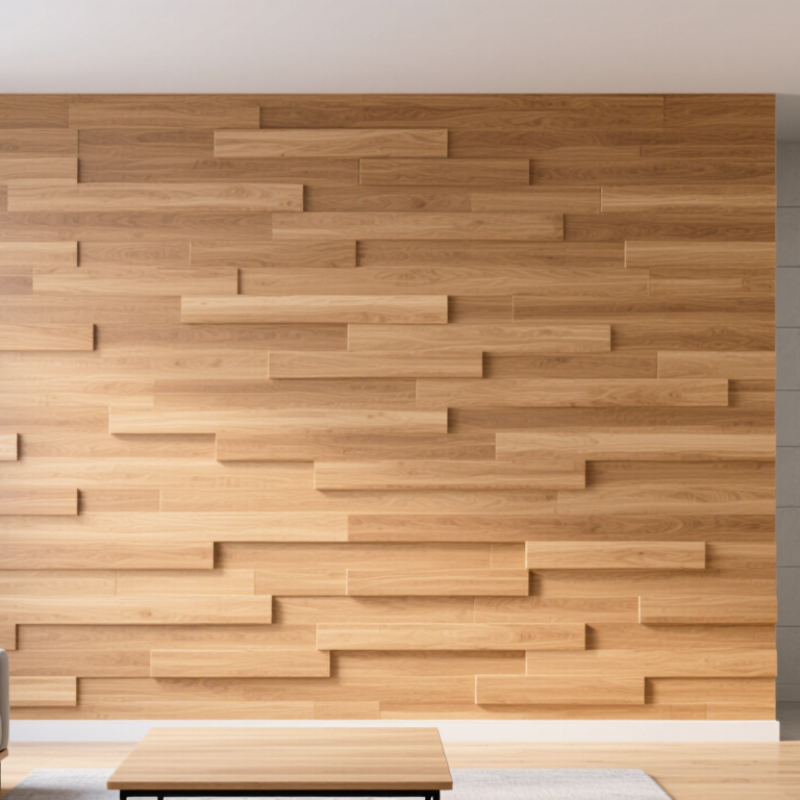
So, picking a finish for an interior wall? It’s not just about looks—it affects how comfortable the room feels, how much upkeep it needs, and what kind of long-term value you get. Wpc Wall Panel Interior systems are one practical option compared with painted drywall, ceramic tile, or natural timber. Their layered build gives you that warm wood look without needing constant refinishing. And in busy homes, offices, hotels, and retail spaces, that difference really starts to show.

Martin Hale, a materials consultant at Northline Surface Systems, puts it this way: “A good WPC Wall Panel should make the room easier to maintain, not merely more attractive.” That’s actually a pretty useful benchmark for judging interior materials. Good panels tend to have consistent dimensions, install without too much drama, and stand up to everyday moisture. They can also hide small surface flaws behind a cleaner decorative layer, which can save prep time.

That said, WPC isn’t some magic fix. Poor ventilation can cause trouble behind any wall covering. Cheap products might fade, warp, or develop weak joints. Installation details matter, too. A careful installer should check wall flatness, leave proper expansion gaps, and follow the manufacturer’s instructions. Those little choices add up in the final look.

This article looks at why homeowners, designers, and contractors go for Wpc Wall Panel Interior solutions. We’ll consider visual flexibility, cleaning needs, moisture exposure, durability, and how much work installation takes. We’ll also ask where these panels might not be the best fit. Honest evaluation matters. A realistic choice balances appearance, budget, room conditions, and expected service life. Pick thoughtfully, and Wpc Panels can turn a plain wall into a warm, textured surface that asks for less daily maintenance.
Why Choose WPC Wall Panels for Interior Walls?

What Are WPC Wall Panels?

WPC wall panels are interior cladding boards made from wood fibers, thermoplastic polymers, and selected additives. WPC means wood-plastic composite. The wood content gives a warm, grain-like appearance, while the polymer improves dimensional stability. Manufacturers usually form the mixture through extrusion, creating solid or hollow profiles. Surface films, embossed textures, or painted finishes can create different visual effects.

An Interior Wpc Wall Panel can cover plaster, concrete, or properly prepared drywall. It often uses clips, battens, or adhesive, depending on the wall condition. During installation, accurate measurements matter. A small error near a doorway can become obvious across an entire wall. The panels resist everyday splashes and are easier to wipe than many porous wall coverings. However, they are not automatically waterproof. Water may still enter through joints or unsealed edges.

In practical interior fitting, installers should leave expansion gaps around corners and ceilings. Temperature changes can make composite materials move slightly. Check the product’s fire performance, formaldehyde emissions, and cleaning instructions before specification. A textured surface may hide fingerprints, but deep grooves can collect dust. Cutting also produces fine particles, so eye protection and ventilation are sensible. The material feels durable, yet careless handling can chip its edges. That weakness deserves attention. Priors such as wall moisture, uneven surfaces, and poor ventilation can affect long-term performance more than the panel itself.

How WPC Wall Panels Are Made

A Wpc Interior Wall Panel begins with a measured blend of wood fibers, polymer resin, and functional additives. The wood fibers provide texture and warmth. The polymer helps resist moisture and everyday impact. Additives may improve color stability, processing, or fire performance. However, the formula is not universal. Fiber size, resin type, and local manufacturing standards can change the final result.

In production, manufacturers dry the wood fibers carefully before mixing. Excess moisture can create bubbles or weak areas. The blended material enters an extruder, where heat and pressure form a continuous wall-panel profile. Steel dies shape the surface, edges, and internal structure. Cooling rollers then stabilize the panel. Some panels receive printed patterns, embossed grain, or a protective coating. The result can resemble oak, stone, or painted timber without using solid wood throughout.

Quality checks usually include measuring thickness, inspecting edges, and testing surface adhesion. Workers may also examine panels under bright light, where small color variations become visible. Real projects are rarely perfect. A panel can be well made yet perform poorly if the wall is damp or uneven. Installation teams should check moisture, allow material acclimation, and leave suitable expansion space. Cutting creates fine dust, so practical ventilation and protective equipment matter. These manufacturing details help explain why panels can offer consistent sizing, faster installation, and a clean interior finish.

WPC wall panels are manufactured by blending wood fiber or flour with a thermoplastic polymer and a small amount of additives. The representative formulation shown here is within commonly reported WPC composition ranges. The blend is dried, compounded under heat, extruded into a panel profile, cooled, and finished for interior installation.

Data note: Composition values are representative industry ranges rather than a brand-specific product specification.

Key Features of WPC Wall Panels

WPC wall panels combine wood fibres with polymer resin, creating a stable interior surface. Grand View Research reported that construction was the largest application in the global WPC market in 2023. This demand reflects practical benefits, not fashion alone. WPC panels resist everyday moisture better than many untreated wood surfaces. They also reduce repainting and routine maintenance. However, they are not completely waterproof.

Their key feature is dimensional stability. Panels are less likely to warp under normal indoor humidity changes. Many systems include interlocking edges, which can shorten installation time and hide minor wall irregularities. Their textured finish can imitate timber, stone, or fabric. Performance still depends on the core structure, surface coating, and installation quality. Acoustic and thermal benefits should come from tested product data, not attractive sales language. The U.S. Environmental Protection Agency states that people spend about 90% of their time indoors, making low-emission materials worth careful attention.

Tips: Request VOC test results, fire classification, moisture limits, and cleaning instructions. Leave movement gaps around corners and ceilings. Never seal damp walls behind the panels. On renovation projects, installers often focus on appearance and overlook ventilation behind the system. That mistake can create problems later. I would also avoid assuming every WPC panel has the same durability. Check independent laboratory reports and local building requirements before specifying it.

Benefits of WPC Panels for Interior Walls

Why Choose WPC Wall Panels for Interior Walls?

WPC panels offer a practical balance between appearance, durability, and daily comfort. Their wood-like texture can add warmth to bedrooms, hallways, offices, and reception areas. Many panels resist ordinary moisture, which helps in kitchens and well-ventilated bathrooms. They are not completely waterproof.

That distinction matters. On interior renovation projects, installers value WPC panels because they are relatively light and easy to cut. A clean saw cut can reduce installation time and wall disruption. Their surfaces usually wipe clean with a soft cloth and mild detergent. This suits busy homes with children, pets, or frequent visitors. For Wpc Wall Panel Interior Decoration , selecting the correct surface finish is important. Matte textures hide fingerprints better than glossy ones.

Still, WPC is not flawless. Poorly prepared walls may cause uneven joints or visible gaps. Temperature changes can also affect expansion, so installers should leave suitable movement space. Product quality varies, too. Check technical data for fire performance, formaldehyde emissions, moisture resistance, and cleaning limits. Local building requirements should guide the final choice. A qualified installer can inspect the wall, plan ventilation, and confirm whether the panel suits the room. Small details matter.

Comparing WPC with Traditional Wall Materials

WPC wall panels offer a practical alternative to paint, drywall, tile, and solid wood. In renovation projects, installers often appreciate their consistent dimensions and quick installation. A panel can cover a tired wall without days of sanding and repainting. The surface also resists everyday splashes better than standard painted drywall. This matters in kitchens, hallways, and busy rental interiors.

Traditional materials still have advantages. Tile handles heat and standing moisture better in suitable areas, while drywall is easier to repair after major impact. Solid wood provides natural texture, but it can expand, contract, and require regular finishing. WPC usually needs only a damp cloth for routine cleaning. However, its performance depends on the core, surface treatment, ventilation, and installation quality. Do not assume every panel has the same fire or moisture rating. Check tested specifications for the intended room.

A smooth option such as Wall Panel Wpc Interior Liso can create a clean, quiet-looking surface with fewer visible joints. Experienced installers leave small expansion gaps near corners and ceilings. Without them, seasonal movement may cause slight buckling. That detail is easy to miss. WPC can also feel less authentic than timber when viewed closely. Scratches may be difficult to hide, especially on dark finishes. A sample should be touched, cleaned, and viewed under the room’s actual lighting before purchase.

Why Choose WPC Wall Panels for Interior Walls? - Comparing WPC with Traditional Wall Materials

Comparison Criterion WPC Wall Panels Painted Drywall PVC Wall Panels Ceramic or Porcelain Tile Solid Wood Paneling
Primary Composition A composite of wood fiber or flour, thermoplastic polymer, and additives. Gypsum core faced with paper or fiberglass, finished with joint compound and paint. Rigid polyvinyl chloride plastic, often formed as hollow or cellular panels. Fired clay or refined mineral materials, with porcelain generally having lower water absorption. Natural timber boards or engineered wood products with a surface finish.
Moisture Performance Good
Generally moisture-resistant and suitable for many interior humid areas when joints and edges are properly sealed. Not automatically waterproof.
Low to moderate
Standard drywall can soften, swell, or support mold growth after prolonged wetting. Moisture-resistant grades perform better in damp rooms.
Good
Resists water exposure, although open joints, penetrations, and backing materials can still allow moisture intrusion.
Very good
The tile surface is highly water-resistant; grout lines and substrate waterproofing require careful treatment.
Variable
Wood can absorb moisture, expand, contract, or develop surface damage unless well sealed and maintained.
Routine Cleaning Easy
Usually cleaned with a soft cloth, water, and a mild non-abrasive detergent.
Moderate
Painted surfaces can be wiped, but scrubbing may remove paint or damage the paper face.
Easy
Non-porous surfaces are generally simple to wipe clean.
Easy on tile
Tile is easy to clean, but grout can collect dirt and may need periodic deep cleaning.
Moderate
Requires gentle cleaning products and attention to the protective finish.
Installation Method Commonly installed with adhesive, clips, screws, or a concealed framing system, depending on the profile and substrate. Attached to studs or a wall surface, followed by taping, joint finishing, sanding, priming, and painting. Usually fixed with adhesive, screws, or interlocking profiles over a reasonably flat substrate. Requires a prepared substrate, cementitious adhesive, accurate layout, cutting, grouting, and curing time. Installed with nails, screws, clips, or adhesive; the wall may require acclimatization and careful leveling.
Typical Installation Complexity Low to moderate
Many profiles are designed for relatively fast installation with limited wet work.
Moderate to high
Multiple finishing stages are needed to achieve a smooth painted surface.
Low to moderate
Lightweight panels can be quick to fit, but visible joints must be aligned carefully.
High
Requires precision, substrate preparation, cutting tools, and curing time.
Moderate
Workmanship, board alignment, expansion gaps, and finishing strongly affect the result.
Impact and Scratch Resistance Moderate to good
Performance depends on density, surface coating, profile structure, and impact severity.
Moderate
Can dent or puncture under concentrated impact and may require patching.
Moderate
Resists ordinary moisture but can dent, crack, or puncture under strong impact.
Good
Hard surface resists everyday wear, although tiles can chip or crack from heavy impact.
Good
Can be repaired or refinished, but softwood species may dent more easily.
Repair and Replacement Individual panels or sections can often be removed and replaced, especially with clip-based systems. Small damage can be patched and repainted; extensive damage may require replacing a drywall section. Individual panels may be replaceable, but matching color and profile can become difficult over time. Damaged tiles can be replaced, although removing surrounding grout and adhesive requires care. Boards can often be sanded, refinished, or replaced, subject to finish and installation method.
Dimensional Stability Generally stable
Less prone to moisture-related movement than solid wood, but thermal expansion must be allowed for during installation.
Stable in normal interiors
Can deform or deteriorate when exposed to sustained moisture.
Stable with temperature limits
Can expand, contract, or warp under substantial temperature changes.
Very stable
Tile itself has low movement, but the substrate and joints must accommodate building movement.
Variable
Natural wood responds to changes in humidity and temperature.
Appearance Options Available in wood-look, stone-look, solid-color, slatted, grooved, and textured designs, depending on the product. Provides a seamless painted finish with virtually unlimited paint colors and decorative treatments. Available in printed, embossed, matte, glossy, and tile- or wood-look finishes. Offers extensive choices of colors, patterns, textures, sizes, and surface finishes. Provides authentic wood grain and can be stained, painted, oiled, or clear-coated.
Fire Performance Product-specific
Fire behavior varies by formulation and must be verified through the product's tested classification and local building requirements.
Generally favorable
Gypsum contains chemically bound water, but the complete wall assembly determines fire performance.
Product-specific
Plastic panels can soften or ignite under heat; use only products suitable for the intended application.
Non-combustible surface
The tile itself is non-combustible, while adhesives, grout, and wall construction still affect assembly performance.
Combustible
Fire performance depends on species, thickness, treatment, finish, and the complete wall assembly.
Best-Fit Interior Applications Feature walls, living areas, corridors, hospitality interiors, offices, and selected humid spaces with proper detailing. Bedrooms, living rooms, offices, ceilings, and areas where a seamless painted finish is preferred. Utility areas, bathrooms, kitchens, commercial interiors, and spaces requiring lightweight wipe-clean surfaces. Bathrooms, kitchens, entrances, splash zones, and high-wear areas when the substrate is correctly prepared. Living rooms, bedrooms, offices, libraries, and spaces emphasizing natural materials and warmth.
Main Advantages Decorative versatility, relatively fast installation, easy cleaning, moisture resistance, and lower routine maintenance than many natural wood finishes. Seamless appearance, broad availability, easy painting, and well-understood construction methods. Lightweight, moisture-resistant, easy to clean, and comparatively simple to install. Hard-wearing, highly water-resistant surface with strong stain resistance and extensive design choices. Authentic natural appearance, repairability, refinishing potential, and a warm tactile finish.
Main Limitations Quality varies by formulation; thermal movement, ventilation, joint sealing, and fire classification must be considered. Vulnerable to prolonged moisture, impact damage, and repeated repainting over time. Can look less natural, may dent under impact, and requires attention to heat exposure and joint detailing. Installation is labor-intensive; grout maintenance and cracking from substrate movement are possible. Higher sensitivity to humidity changes, finishing maintenance, and potential movement or fading.

Note: Performance varies by product formulation, thickness, surface finish, installation method, substrate, climate, and local building requirements. Always consult the manufacturer's technical data and applicable codes before specification.

Installation and Maintenance Considerations

WPC wall panels can create a warm, consistent interior surface, but installation determines their long-term performance.

Before fitting, let the panels acclimate indoors for 24 to 48 hours. Check the wall for dampness, dust, and uneven areas. A level surface prevents visible gaps and waviness. Small mistakes become obvious under strong lighting.

Leave a narrow expansion gap near floors, ceilings, and corners. WPC can respond to temperature changes, especially in rooms with heating or poor ventilation.

Use suitable adhesive, clips, or screws for the wall substrate, and follow the supplier’s technical guidance. Cut panels with a fine-tooth blade to reduce chipped edges.

Measure twice. It still helps.

In my experience, dry-fitting several panels first prevents awkward patterns and unnecessary waste.

Tips:

Keep spare offcuts for future repairs. Clean the surface with a soft cloth and mild soap. Avoid abrasive pads, strong solvents, and excessive water around joints.

Dust can collect in grooves, so use a soft brush or low-pressure vacuum attachment. Inspect corners and seams every few months.

If a panel moves, investigate the wall moisture or fixing method instead of simply adding more adhesive. That shortcut may hide the problem temporarily.

For kitchens and bathrooms, improve airflow and wipe splashes promptly, even when the panel surface is marketed as moisture-resistant.

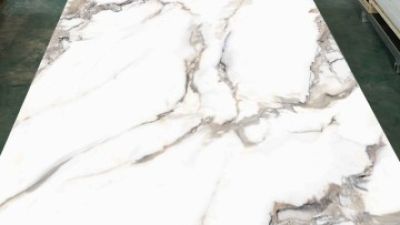
Formaldehyde-Free, Moisture-Proof, Fire-Resistant Marble-Patterned Wall Panels for Safer, Stylish Interiors

UV marble-patterned wall panels offer a practical alternative to conventional stone for safer, more stylish interiors. Made from solid microcrystalline stone board, these panels are typically 3–18 mm thick, with common dimensions of 1.22 × 2.44 meters. Their dense, smooth surface resists stains, scratches, and daily wear, while high-resolution marble patterns create a realistic, refined appearance at a significantly lower cost than natural marble.

For healthier indoor environments, select panels manufactured with formaldehyde-free substrates, adhesives, and certified low-emission finishes. The World Health Organization’s *Guidelines for Indoor Air Quality: Selected Pollutants* recommends keeping indoor formaldehyde below 0.1 mg/m³ over a 30-minute average, making third-party emissions testing an important purchasing criterion. A moisture-resistant surface also helps prevent water absorption and simplifies cleaning in living rooms, hotel interiors, offices, and other high-use spaces.

Fire performance should be verified through recognized testing, such as ASTM E84 or EN 13501-1, rather than assumed from appearance alone. Properly tested marble-patterned panels can support safer wall designs while maintaining a premium decorative effect. Their large format reduces visible joints, and their lightweight construction can simplify transportation and installation compared with thicker stone slabs. Ask suppliers for fire-rating documents, moisture-resistance results, and formaldehyde-emission certificates before specifying them for an interior project.

FAQS

What are WPC wall panels made from?

WPC panels combine wood fibres with polymer resin. This creates a stable interior wall surface. The texture can resemble timber, stone, or fabric.

Are WPC wall panels completely waterproof?

No, they are not completely waterproof. They handle ordinary indoor moisture better than untreated wood. Avoid installing them over damp walls.

Where can WPC wall panels be used indoors?

They suit bedrooms, hallways, offices, kitchens, and well-ventilated bathrooms. They can add warmth without requiring frequent repainting. Poor ventilation remains a concern.

Are WPC panels easy to install?

Many panels have interlocking edges for faster installation. They are relatively light and easy to cut. Installers should leave movement gaps near ceilings and corners.

How should WPC wall panels be cleaned?

Wipe the surface with a soft cloth and mild detergent. Matte finishes usually hide fingerprints better than glossy surfaces. Avoid harsh cleaning products unless approved.

Do WPC panels resist warping?

They are less likely to warp during normal indoor humidity changes. Expansion can still occur with temperature changes. The wall structure and installation quality matter greatly.

Can WPC wall panels improve sound or heat insulation?

Some systems may offer acoustic or thermal benefits. Do not rely on appearance-based claims. Request tested performance data before making a decision.

What technical information should buyers request?

Ask for VOC results, fire classification, moisture limits, and cleaning instructions. Independent laboratory reports are useful. Local building requirements also deserve attention.

What problems can poor installation cause?

Uneven walls may create visible gaps or irregular joints. Sealing damp walls can trap moisture behind the panels. Ventilation is easy to overlook, but it matters later.

Conclusion

WPC wall panels, made from a blend of wood fibers and polymer materials, offer a practical and attractive solution for modern interior walls. Through a controlled manufacturing process, these materials are combined and shaped into durable panels with consistent textures, colors, and surface finishes. A Wpc Wall Panel Interior system can provide moisture resistance, impact protection, dimensional stability, and a warm decorative appearance that suits bedrooms, living rooms, offices, and other indoor spaces.

Compared with paint, wallpaper, or conventional wood, WPC panels are easier to clean, less vulnerable to humidity, and generally require less frequent maintenance. They can also help cover minor wall imperfections and improve the visual consistency of a room. Installation usually involves measuring the wall, preparing a level surface, cutting panels accurately, and securing them with suitable fixing methods. Routine care is simple: remove dust regularly and wipe stains with a soft, slightly damp cloth. Overall, WPC wall panels combine convenience, durability, and design flexibility for interior renovation projects.
Isabella

Isabella

Isabella is a dedicated marketing professional with over a decade of experience in her field. She is deeply committed to the company's development tenet of service and sincerity, believing that trust and support are the foundations of successful partnerships. Her expertise in the company's products......
Previous How to Choose WPC Wall Cladding for Your Project?