
 Hot Selling
Why WPC Decking Is Becoming a Design Material for Commercial Landscape Projects
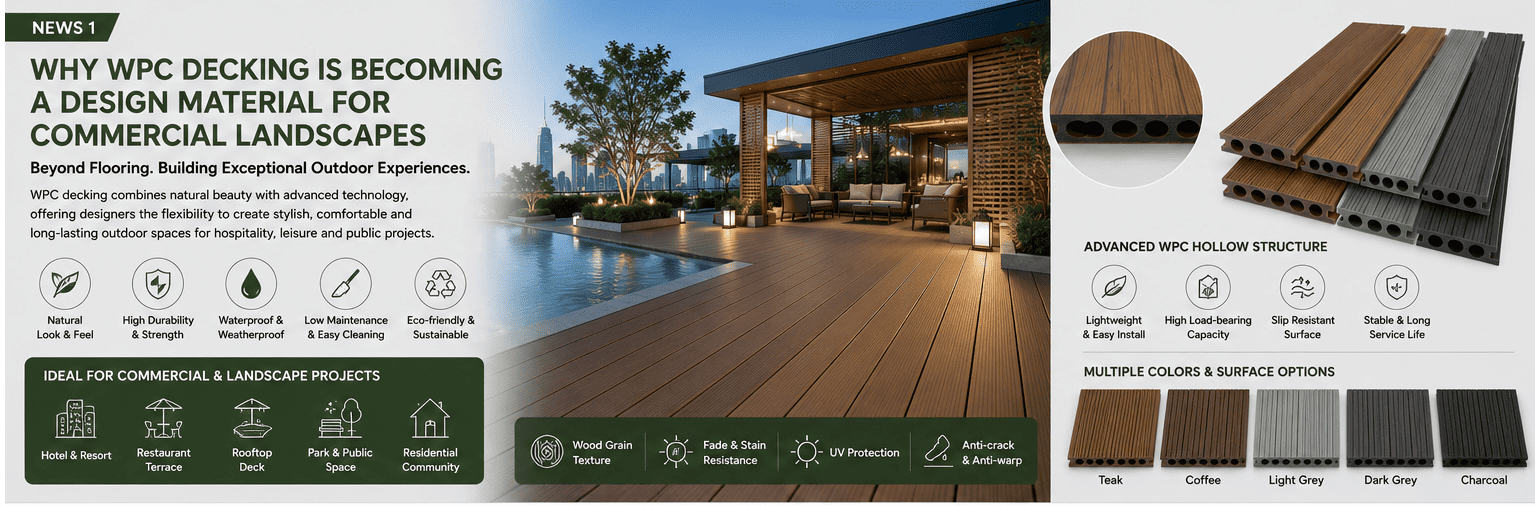
This change is creating new opportunities for Wpc Decking in commercial landscape projects. From hotels and resorts to restaurants, residential communities, rooftop spaces, and public leisure areas, designers are increasingly looking for decking materials that can contribute to the overall architectural concept rather than functioning as an isolated construction product.
The development of this market has also changed the expectations placed on manufacturers. Buyers are no longer evaluating decking only according to color and price. They are paying closer attention to profile design, surface texture, dimensional consistency, installation systems, color selection, and the manufacturer's ability to maintain stable supply over long-term projects.
Shandong Xiangying New Materials Technology Co., Ltd. has been following these changes closely. As an established manufacturer of decorative building materials, Xiangying Factory has continued to develop its WPC product capabilities in response to the changing requirements of international customers. The company's approach is increasingly focused on understanding how WPC products are being incorporated into real architectural projects rather than treating decking as a standalone commodity.
One of the most interesting developments in the outdoor flooring market is the expansion of commercial landscape design. Hotels and resorts, for example, are increasingly creating outdoor areas that function as extensions of their interior spaces. A restaurant may connect its dining area with an outdoor terrace, while a hotel may use continuous decking around swimming pools, garden lounges, and recreational areas.
In these projects, visual continuity becomes important. Designers often want the outdoor flooring to coordinate with facade materials, furniture, landscaping, lighting, and architectural structures. This has increased interest in Outdoor WPC Decking with a wider selection of colors and surface finishes.
The traditional idea that all decking should imitate one particular type of timber is also changing. Contemporary projects increasingly use neutral gray, charcoal, coffee, natural brown, and other architectural tones. These colors can be combined with concrete, stone, glass, metal, and vegetation to create a more contemporary visual language.
Xiangying Factory has responded to this trend by paying greater attention to surface appearance and profile development. Different projects can require different visual effects, and a modern decking manufacturer needs to provide enough flexibility for designers and distributors to respond to those requirements.
Another important trend is the increasing use of decking in rooftop architecture. As cities become more densely developed, rooftops are being transformed into gardens, restaurants, recreational areas, and shared community spaces. These environments require carefully planned flooring systems because the deck becomes part of a larger landscape rather than simply covering the ground.
Rooftop projects also demonstrate why material selection needs to consider the entire construction process. Transportation to higher floors, handling of materials, installation efficiency, and coordination with drainage and structural systems can all influence project planning. This has encouraged contractors to look for materials that are practical to handle and suitable for standardized installation.
For manufacturers, these requirements create a need for better communication with customers. Xiangying Factory works with international distributors and project buyers to understand the specifications required for different markets. Feedback from these customers provides useful information about preferred colors, profiles, packaging, and project requirements.
The commercial sector is also becoming more demanding about product consistency. A residential customer may purchase a relatively small quantity, but a hotel or landscape development can require a large number of boards from multiple production batches. Even minor differences in surface appearance can become noticeable when installed across a large area.
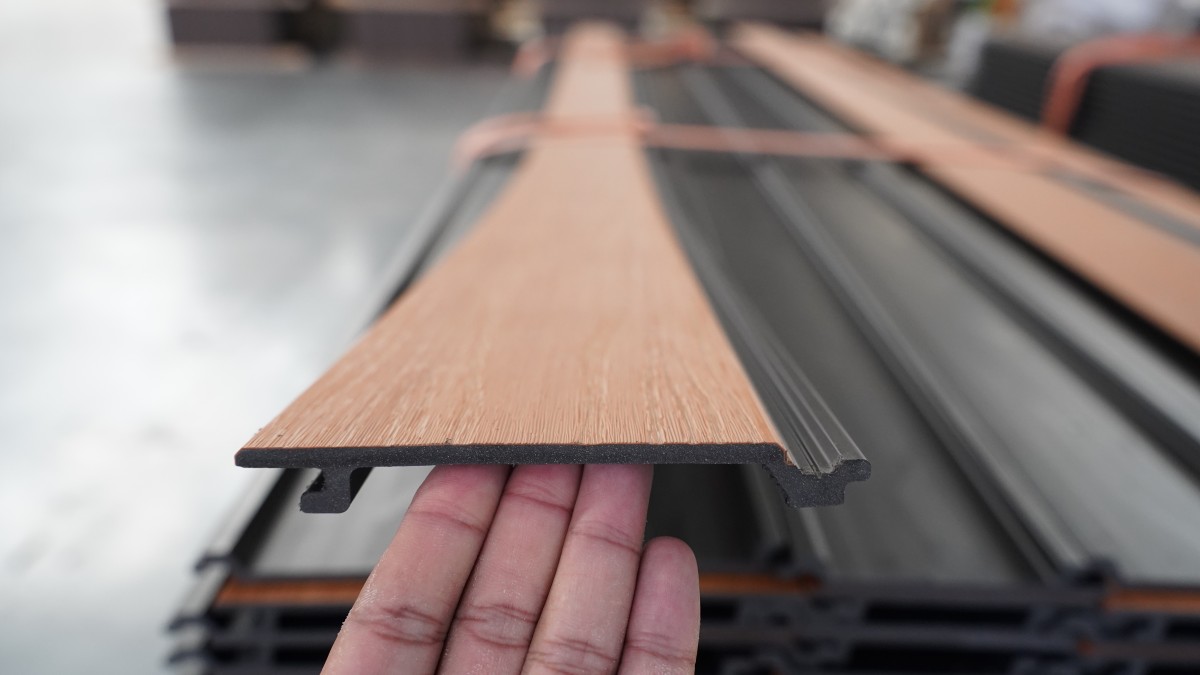
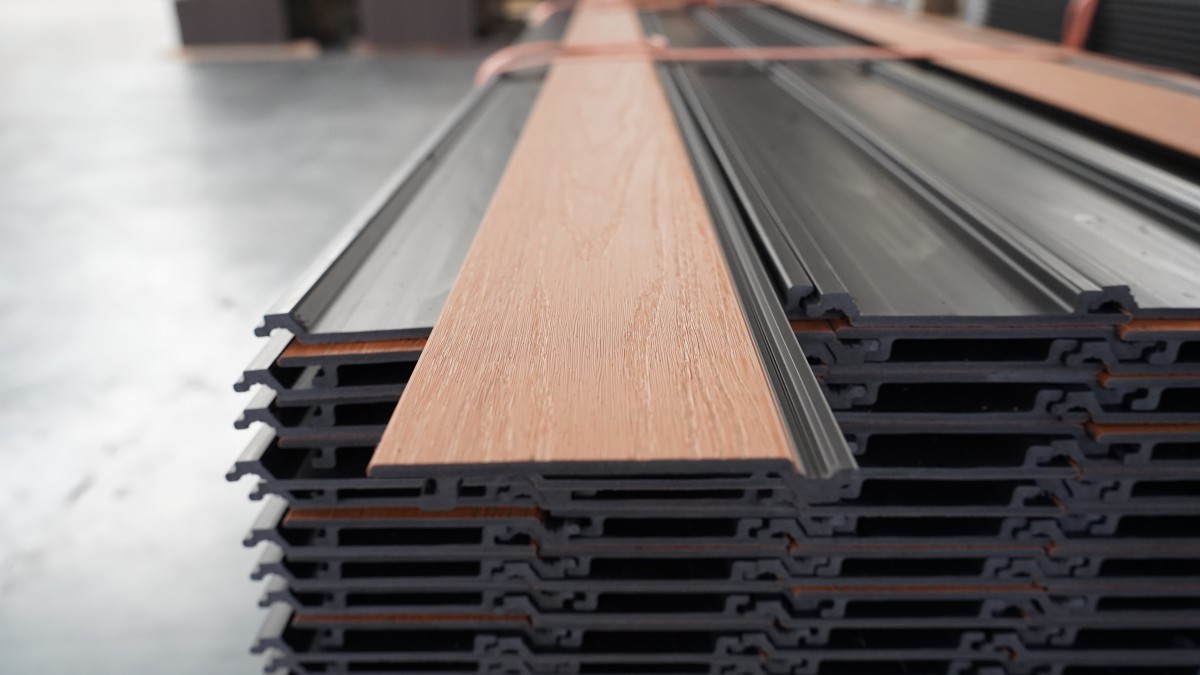
This makes quality control an important part of modern Composite Decking manufacturing. At Xiangying Factory, production management covers raw material preparation, extrusion conditions, profile dimensions, surface quality, and final packaging. Maintaining consistency throughout these stages helps the factory support larger international orders and repeat purchasing.
The development of WPC decking is also being influenced by changes in consumer expectations. Outdoor spaces are increasingly being designed as places where people spend time rather than simply pass through. Swimming pool decks, garden walkways, balcony platforms, restaurant terraces, and resort boardwalks are becoming lifestyle spaces.
This means that appearance and user experience are becoming more important. Surface texture, color coordination, walking comfort, and the relationship between decking and surrounding landscaping all influence the final result.
For Xiangying Factory, this trend represents an opportunity to move further toward design-oriented WPC manufacturing. Instead of competing solely through production volume, the company is continuing to improve product variety, manufacturing consistency, and the ability to respond to changing market requirements.
International markets also continue to develop at different speeds. Some regions prioritize natural-looking decking for residential gardens, while others have stronger demand for commercial landscaping and hospitality projects. Understanding these differences allows manufacturers to develop a more flexible product strategy.
The future of Wpc Outdoor Flooring is therefore likely to be closely connected with landscape architecture. As outdoor areas become more integrated with commercial and residential buildings, decking will increasingly be selected as part of a complete design concept.
For manufacturers, this means that product development must extend beyond basic material production. Surface design, profile engineering, quality control, packaging, export logistics, and customer communication all contribute to the final value of a decking product.
Shandong Xiangying New Materials Technology Co., Ltd. continues to strengthen these areas as it expands its international WPC business. By observing how architects, contractors, distributors, and property developers are using outdoor flooring, Xiangying Factory can better understand where the market is heading and adjust its production strategy accordingly.
The company believes that the next stage of WPC decking development will be defined by greater design flexibility and more professional project-oriented solutions. Commercial landscapes will continue to demand materials that can integrate naturally with architecture, while residential customers will continue looking for outdoor environments that combine practicality with visual quality.
As this transition continues, WPC Decking is moving beyond the traditional concept of outdoor flooring. It is becoming part of the architectural language of gardens, terraces, resorts, rooftops, and public spaces.
For Xiangying Factory, keeping pace with this evolution means continuing to improve manufacturing technology while maintaining a close connection with international customers. The company's goal is not simply to produce more decking, but to develop WPC products that are better aligned with the way modern outdoor spaces are being designed and built.