
 Hot Selling
WPC Grille Panels Are Moving Beyond Feature Walls as Designers Rethink Interior Surfaces
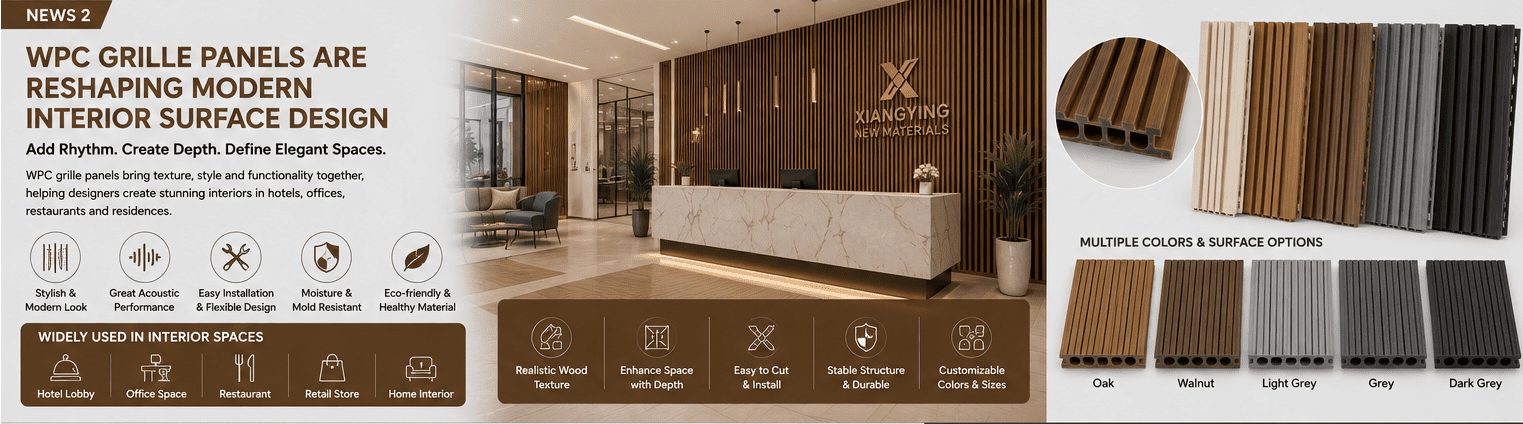
The popularity of grille-style wall systems is not simply a short-term decoration trend. It reflects a broader change in the way architects approach interior surfaces. A wall can now function as a visual divider, a background for lighting, a transition between different areas, or a defining element of a commercial environment.
This development has attracted attention from interior designers, contractors, distributors, and building material manufacturers. For manufacturers such as Shandong Xiangying New Materials Technology Co., Ltd., it also creates opportunities to rethink how WPC products are developed and presented to international markets.
Xiangying Factory has continued to monitor the evolution of interior decoration and the growing demand for structured decorative surfaces. Rather than concentrating only on conventional flat panels, the company has expanded its understanding of how WPC profiles can be incorporated into contemporary interiors.
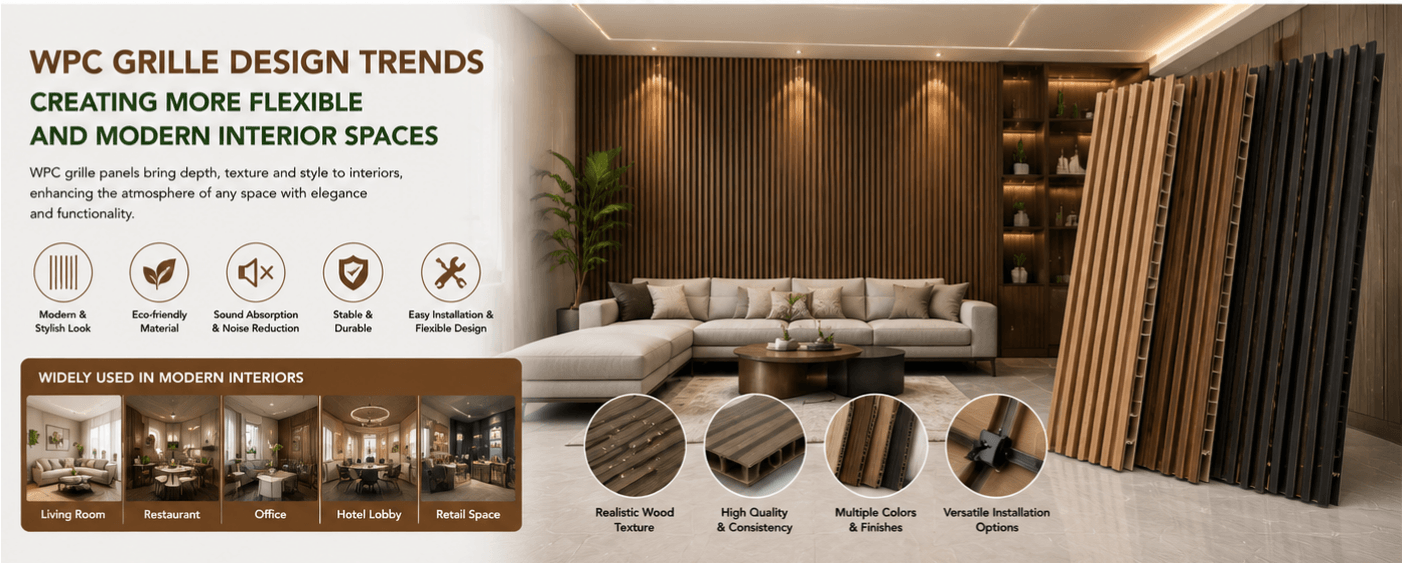
One of the strongest influences on the market is the renewed interest in vertical architectural lines. Vertical slats can create a sense of height, divide large surfaces into manageable visual sections, and introduce rhythm without making a space feel excessively complicated. This has helped WPC Fluted Wall Panels gain popularity in hotels, offices, restaurants, retail stores, and residential interiors.
However, today's designers are using these products in increasingly creative ways. Instead of covering an entire wall with the same pattern, WPC grille elements may be used selectively around reception desks, behind television walls, along corridors, or as partial partitions.
This selective approach creates a different relationship between the product and the surrounding architecture. The Wpc Panel becomes one component of a complete design rather than the entire focus of the room.
Lighting is particularly important in this development. Linear wall profiles naturally interact with light and shadow. When directional lighting is placed across a textured surface, the changing shadows can add depth and visual movement to an otherwise flat wall.
For hospitality projects, this can be especially valuable. Hotel lobbies, restaurant entrances, lounges, and reception areas often rely heavily on atmosphere. Designers may combine WPC grille surfaces with pendant lighting, stone counters, plants, metal details, and upholstered furniture to create a carefully controlled visual experience.
The office sector is also changing. Modern workplaces are increasingly designed around collaboration, comfort, and flexible use rather than rows of identical desks. WPC Interior Wall Panels can contribute to this transformation by helping define different zones within an open interior.
For example, a grille wall can visually separate a meeting area from a lounge without completely blocking the space. It can also provide a warmer background for a reception area or soften the appearance of large glass and metal surfaces.
Xiangying Factory has recognized that these changes require greater diversity in product design. International buyers increasingly ask about colors, textures, profile dimensions, and combinations rather than simply requesting a standard wall panel.
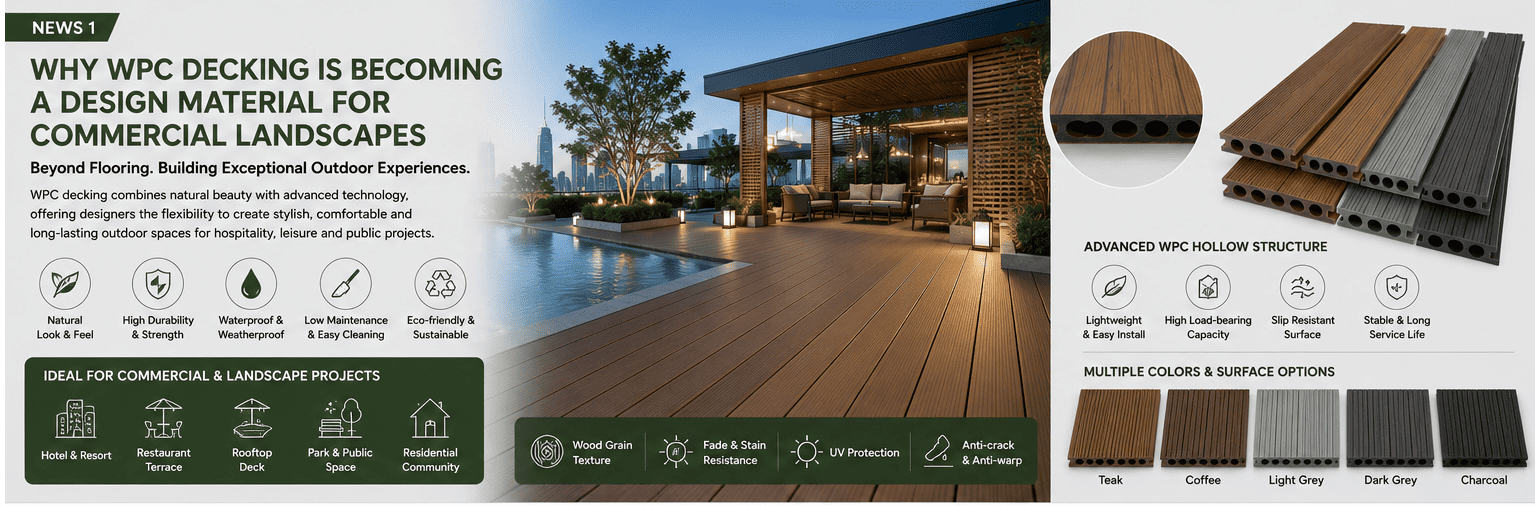
Natural wood tones continue to be widely used, but darker shades and contemporary neutral colors are also gaining attention. Designers may select light oak-style finishes for hospitality environments, deeper walnut-inspired colors for premium interiors, or dark tones for modern commercial spaces.
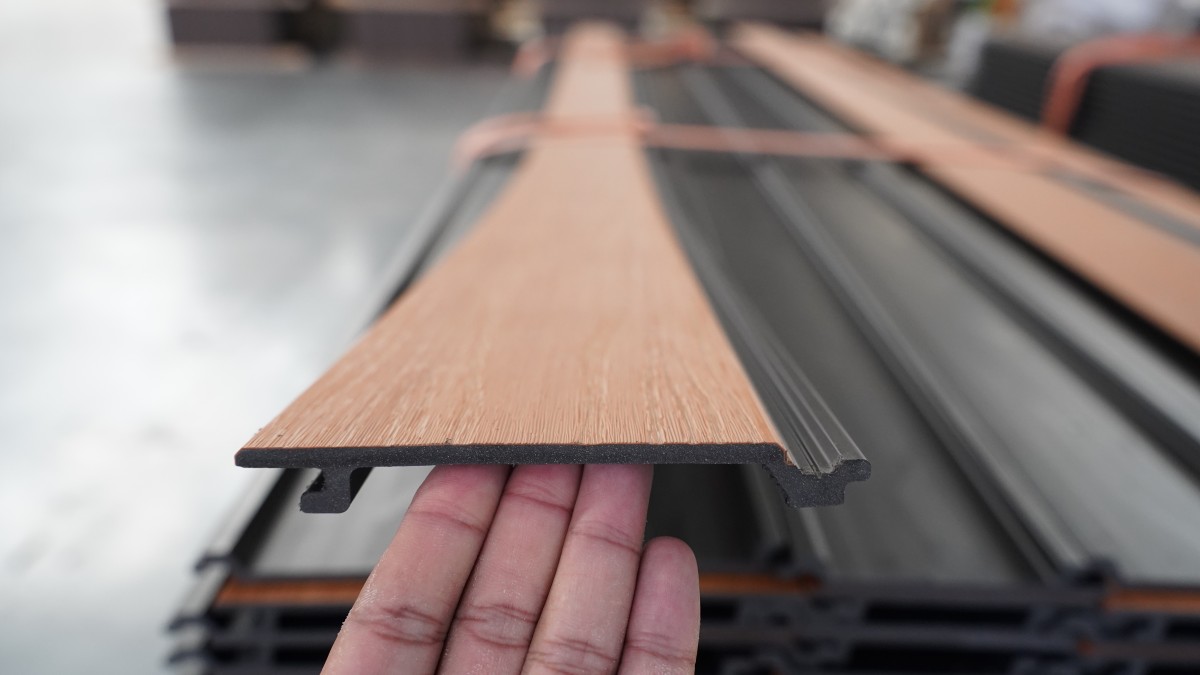
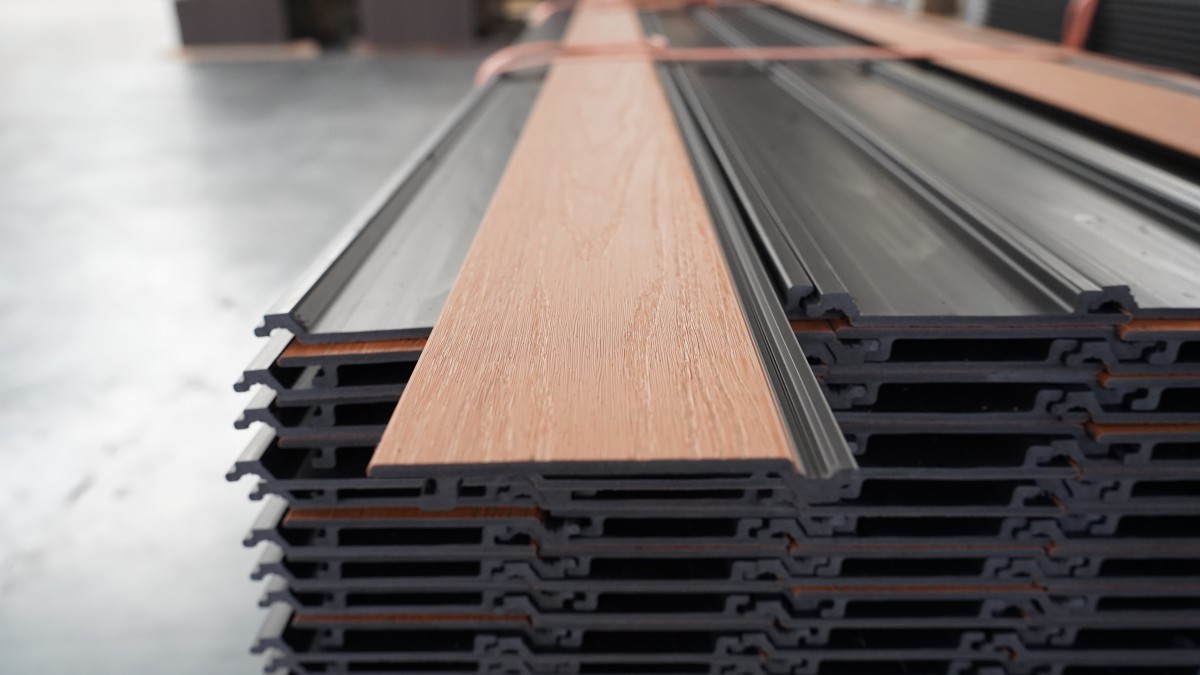
The manufacturing process becomes particularly important when producing products with repeated linear structures. Small dimensional variations can become visually obvious when dozens or hundreds of profiles are installed next to each other. For this reason, production consistency is an important consideration in the development of WPC Decorative Wall Panels.
Xiangying Factory continues to improve production management and quality inspection throughout the manufacturing process. Raw materials, extrusion conditions, profile dimensions, surface appearance, and packaging are all considered as part of the quality management process.
This approach is especially important for international projects. Once products are shipped overseas, solving a quality issue becomes more complicated than it would be for a local project. Stable production and careful inspection therefore provide practical value for both distributors and project contractors.
Another development influencing the WPC grille market is the increasing demand for coordinated interior materials. Designers are no longer selecting wall products independently from flooring, ceilings, doors, furniture, and lighting. Instead, they are creating complete material palettes.
This creates an opportunity for manufacturers to provide product families rather than isolated designs. Different WPC colors and profiles can be used throughout a building while maintaining a consistent visual identity.
For Xiangying Factory, international customer feedback is an important part of this process. Different markets have different architectural preferences, and product demand can change as local design trends evolve. Maintaining communication with overseas partners helps the factory identify new opportunities and improve its product development strategy.
The growth of grille-style interiors also demonstrates how WPC has evolved as a decorative material. It is increasingly being used not simply because it resembles wood, but because its manufacturing flexibility allows designers to explore structured surfaces and repeated architectural patterns.
This distinction is important for the future of the industry. As designers become more experimental, WPC manufacturers will need to provide products that support more than traditional wall decoration.
The next generation of WPC Grille Wall Panels may therefore become increasingly connected with spatial design. Products can be used to create transitions, frame important areas, guide visual movement, and interact with architectural lighting.
This trend also provides manufacturers with a reason to invest in research and development. New surface textures, profile shapes, color combinations, and installation concepts can help WPC remain relevant as interior architecture changes.
Shandong Xiangying New Materials Technology Co., Ltd. continues to follow this direction. The company's manufacturing development is increasingly connected with international market feedback, allowing product development to respond to real project requirements rather than relying solely on traditional product categories.
As commercial interiors become more experience-oriented, decorative wall materials will continue to play a larger role in architectural design. Materials with texture and depth can help create spaces that feel more distinctive while supporting a wide range of design concepts.
For Xiangying Factory, this represents a long-term opportunity. By combining manufacturing experience with continued observation of global interior design trends, the company is working to provide international customers with WPC products that are suitable for increasingly sophisticated architectural environments.
The future of WPC Grille Panels will not be limited to the traditional feature wall. Their ability to introduce rhythm, depth, texture, and visual separation gives designers more freedom to shape interior spaces.
As this design philosophy continues to develop, WPC grille products are likely to become an increasingly recognizable component of modern commercial and residential architecture. For manufacturers willing to invest in product development and quality consistency, this changing market provides significant room for continued growth.