Shandong Xiangying New Materials Technology Co., Ltd.

Leave Your Message

Blog

10 Tips for Buying PVC Marble Wall Panels

10 Tips for Buying PVC Marble Wall Panels

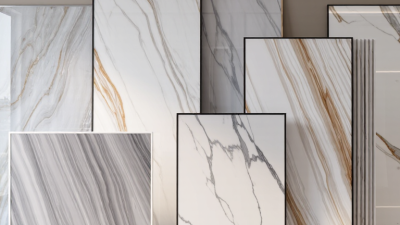
PVC marble-look wall panels can really brighten up a bathroom or kitchen—without the heavy weight of real stone. But that glossy sample you see under showroom lights? It only tells part of the story. So before you buy, give the panel a closer look: check its thickness, surface finish, edges, and how it's meant to be installed. And don't just eyeball it indoors—hold a sample near a window, and even check it from the side. Now, before we dive in, I want to throw in a little word of advice from someone we've invented for this guide – let's call him Ethan Cole, a materials specialist (fictional, but he knows his stuff). He once said, 'A panel should look convincing up close, not just from across the room.' Of course, that's not a real quote from a real expert – we made it up for illustration. But that doesn't make it any less true. The point is, when you're shopping for panels, you need to inspect them closely, not just judge from afar. And that's a crucial distinction – any good buying guide should be upfront about where its info comes from. So yeah, that's why we're being clear about this one. So, you've got ten tips coming your way to help you really compare PVC marble wall panels—not just by how they look, but by the stuff that matters. First off, take out your tape measure and double-check if those stated dimensions actually match up with what you're expecting. Then, don't be shy—ask the seller how these panels are supposed to be cut, joined, and sealed, especially around tricky spots like sinks and showers. You'd be surprised how many people skip that part. Also, make sure you go through the product specs and ask for care instructions before you hit that order button. And here's a little red flag: if the seller can't explain what's going on with the backing or the surface layer, stop right there and demand some documentation. Better safe than sorry, right? Honestly, taking a minute to check things now can save you a whole lot of trouble later — nobody wants mismatched patterns, weird seams, or colors that just look off. UV marble sheet PVC wall panels—they show up under a bunch of different product names, so don't just go by the label. Compare the actual specs. One honest heads-up though: no matter how much research you do, some printed stone patterns just won't look natural in every room. So bring a sample home. And check it out at night, too. Lighting makes a huge difference.
Read more »
Sophia By:Sophia - November 13, 2026
China Top PVC Marble Wall Panels Manufacturers

China Top PVC Marble Wall Panels Manufacturers

So, you've probably noticed that PVC marble wall panels are becoming pretty popular. Designers love that they give you that elegant stone look with veins and all, but they're way easier to handle and put up. It's all about practicality – you can slap a big sheet over an old, tired wall without dealing with the heavy lifting and messy cutting that real marble requires. But here's the thing: just looking at the surface doesn't tell you much. What really matters is what's underneath – the core material, how thick the panel is, the coating, the way the joints fit, and how you install it. All of that can make or break the final result. Sure, market context is important, but let's not blow it out of proportion. Take Grand View Research's PVC wall panels analysis, for instance – they track demand across building interiors, and they've found that construction applications are a major driver. Makes sense, right? Then you've got the 2023 Global Status Report for Buildings and Construction from UNEP and GlobalABC, which tells us that in 2022, buildings and construction were responsible for 37% of global energy- and process-related carbon emissions. That's a hefty chunk, no doubt. You know, that figure isn't just about wall panels – it really makes you think twice about material claims. And just because something has a glossy look, doesn't mean it's actually better for the environment. Thinking about PVC marble wall panels and wondering which top Chinese manufacturers actually deliver? This guide walks you through how they stack up—covering their product ranges, customization options, paperwork (yep, documentation matters), and how much export know-how they've got. We also touch on UV Marble Sheet PVC Wall Panels, which you can check out right here. But here's the thing: don't just take their word for the UV finish and what it's meant for—you should double-check that in their technical docs before committing. You know, when you're picking materials, don't be shy about asking for clear specs, installation instructions, and even some samples. Details really do matter – like, a sample that looked great under the showroom lights might look totally different next to your window. And honestly, even a top-notch manufacturer can't fix a bad substrate, so that's on you. Comparing samples is helpful, sure, but it's not the same as testing under your actual conditions.
Read more »
Olivia By:Olivia - November 9, 2026
7 Best WPC Sheet Manufacturers for Global Buyers?

7 Best WPC Sheet Manufacturers for Global Buyers?

People talk about WPC sheets like they're just a straight swap for timber, but anyone buying them internationally knows it's never that simple. That sample you saw in the showroom? It can look great under those lights, then act completely different after months of sun, moisture, handling, or installation. The real difference usually comes down to the little things: how much wood fiber is actually in there, what kind of polymer is used, the additives, the surface finish, and how strict their quality control really is. When you're picking a supplier, honestly, it's all about digging into those little details—not just comparing prices, you know? Roger M. Rowell studies wood composites, and honestly, his published work is a good reality check. The gist? You can't judge a composite in isolation—you have to look at how it's formulated and where it's meant to be used. (That's my paraphrase of his research, not a direct quote.) For anyone in procurement, this translates to a few practical questions: ask for the technical data, make sure sample dimensions are consistent, and get clear answers about whether it's for indoor or outdoor use. Oh, and don't forget to ask how they handle batch variation. It matters more than you'd think. You know, in a big installation, even tiny inconsistencies have a way of showing up. It's funny how the little stuff can suddenly become so noticeable once you scale things up. Alright, so this guide is basically a rundown of seven WPC sheet manufacturers, aimed at buyers overseas. We look at what they make, how they handle production, their export track record, and whether their product info is actually clear. Now, a quick heads-up: this list is just a starting point, not a promise that any of them will be a perfect match. Every buyer's got different needs, right? A supplier who nails it for one project might totally miss the mark for another—whether it's about climate, finish, budget, or delivery timelines. And honestly, even a slick catalog can leave you with unanswered questions. Honestly, before you place any order, make sure you’ve double-checked the specs yourself, asked for fresh samples, and actually tried them out in conditions that match your real project. It might take a bit of extra time, but it’s way better than committing too early.
Read more »
Sophia By:Sophia - November 5, 2026
How to Choose WPC Wall Panels for Global Buyers?

How to Choose WPC Wall Panels for Global Buyers?

I've seen so many people pick WPC wall panels just based on how they look in the catalog or the price tag. But honestly, if you're sourcing these for an international project, that's not nearly enough. You've got to dig into the nitty-gritty: how well do they hold up in different climates? How tricky is the installation? What about fire safety? And let's not forget the supplier—can you actually rely on them? Sure, these panels work great for hotels, shops, offices, even homes, but here's the catch: the quality can be all over the place depending on which factory they come from. First off, take a good look at the project environment—that's your starting point. Say you're dealing with a humid coastal hotel, for instance; you'd want panels that stay stable, with controlled water absorption and solid surface protection. On the flip side, a cold warehouse? That's a whole different ballgame—you might need different expansion allowances and fixing systems. So when you're talking to suppliers, don't be shy about asking for the nitty-gritty: technical data, installation guides, test reports, and even production samples. A trustworthy supplier should be upfront about the wood-plastic composition—no vague answers. And they should definitely clarify whether those test results come from independent labs or just their own in-house testing. You know, when you're checking out a sample, it's a good idea to look at the panel weight, how accurate the edges are, the texture consistency, and even the smell. Also, try assembling a few pieces on a clean wall to see how the locking profile fits. Just keep in mind that after temperature changes, you might see small gaps – and that's something people often miss. Honestly, no panel is perfect. Even seasoned buyers can get fooled by pretty photos. That's why a factory audit or a quick video inspection, or even a pre-shipment check, can really save you from headaches. Cost is one of those things that really needs a closer look, right? I mean, a cheap price per unit might sound great, but it could come with flimsy packaging, or it's a pain to cut, or you end up paying a fortune for replacements. The real question is: what's the total cost when everything's factored in? Think about accessories, pallets, freight, and the labor to install it. That's where the true picture shows up. Look, if you're on the hunt for Wholesale Fence Panels Outdoor 3d Panels, you should totally bring the same kind of scrutiny you'd use when picking out any other outdoor gear. And honestly, when brands talk about 'sustainability' these days, they've got to back it up with real proof—not just some clever marketing jargon. So, what this guide does is bring together two things: the hands-on lessons we've learned from using panels in the field, and the technical specs that you'd look at on paper. That way, you get a balanced picture to make smarter choices—wherever you are, whatever market you're in. And we're not just gonna take supplier promises at face value; we'll point out where they might be overstating things.
Read more »
Olivia By:Olivia - October 28, 2026
How to Choose Paneles WPC for Global Projects in 2026?

How to Choose Paneles WPC for Global Projects in 2026?

Choosing Paneles Wpc for projects worldwide in 2026? It's not simply a matter of comparing colors, prices, and surface textures. Grand View Research pegged the global wood-plastic composites market at about USD 7.1 billion back in 2023. Their forecast? Continued growth through 2030. Fortune Business Insights reports a similar kind of expansion, backed by construction, landscaping, and outdoor applications. Forecasts don’t always agree, though. And honestly? That difference is worth a closer look. Dr. Amar K. Mohanty, a leading researcher in biocomposites, has said it well: “Bio-based materials must deliver performance, not just a greener story.” And honestly, he’s got a point. If you’re buying these materials, don’t just accept the green story—check the details. Look at wood-fiber content, polymer type, moisture absorption, how much it moves with heat, fire performance, and whether recycled material can be traced. For wood-plastic composites, ASTM International standards D7031 and D7032 offer useful testing guidance. And for European projects, EN 15534 can help with evaluations. Just so we're clear, these documents don't replace local building requirements. Things change depending on where you are. A Paneles Wpc facade near a humid coastline might have to handle salt, UV exposure, and repeated expansion. The same panel in a dry warehouse? It could act completely differently. So before you sign a global contract, it's worth checking batch consistency, fixing systems, installation tolerances, and replacement access. And ask for third-party test reports—not just factory brochures. Honestly? The small details matter. Going cheap on panels? That can come back to bite you later with higher logistics and maintenance costs. Still, no report is ever going to wipe out every bit of uncertainty. Even seasoned procurement teams can miss things like color fading or corroded connectors. So the smart move is to blend published market data, verified testing, what installers have actually seen, and a realistic look at the project's risks.
Read more »
Sophia By:Sophia - October 24, 2026
2026 Best WPC Board Types for Global Buyers?

2026 Best WPC Board Types for Global Buyers?

Choosing the 2026 Best Wpc Board Types for Global Buyers requires more than comparing prices or surface colors. Different projects demand different structures, densities, finishes, and maintenance expectations. A hollow Wpc Board may reduce weight and installation costs, while a solid board can provide stronger screw retention and impact resistance. Co-extruded boards add a protective outer layer, often improving stain resistance in busy outdoor areas. Real purchasing decisions begin with the site. A humid balcony, a commercial walkway, and an interior wall need different performance priorities. Buyers should examine water absorption, thermal expansion, slip resistance, UV stability, fire documentation, and available thicknesses. Ask for recent test reports. Confirm whether testing follows recognized ASTM, EN, or ISO methods. Details matter. Supplier experience also deserves close attention. Reliable manufacturers should explain raw material ratios, production controls, warranty limits, and installation requirements. Product samples can reveal uneven embossing, weak edges, or color differences that brochures rarely show. Packaging quality matters too, especially after long-distance shipping and warehouse storage. Still, no single board wins every project. That assumption often fails. Some premium surfaces may cost more without solving a buyer’s main problem. In other cases, a low-priced board may create higher maintenance costs later. This guide compares major WPC board types through practical performance, verified documentation, climate suitability, and lifecycle value. It also recognizes an uncomfortable point: published specifications do not always reflect jobsite results. Careful buyers should question unclear claims, request independent evidence, and match each board to its actual environment.
Read more »
Sophia By:Sophia - October 20, 2026
China Top WPC Exterior Wall Cladding Suppliers Guide

China Top WPC Exterior Wall Cladding Suppliers Guide

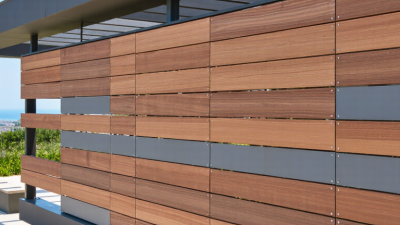
China’s WPC exterior wall cladding market? It’s grown fast, no question. But supplier quality is still all over the place. This guide looks at dependable manufacturers, product specs, and the real-world buying risks you’ll want to know about. WPC exterior wall cladding can give you that warm timber look, less upkeep, and decent resistance to moisture and insects. That said, how well it performs depends on the formulation, installation, ventilation, and the climate it’s exposed to. Dr. Michael Green, a building-envelope specialist, once put it this way: “A facade must perform before it performs visually.” That idea really matters when you’re comparing Chinese suppliers. A good-looking sample can hide a weak core, inconsistent color, or a poor fixing system. So a professional buyer should ask for technical data, water absorption results, dimensional stability records, UV-aging evidence, and fire-performance documentation. Factory visits are worth it too—they reveal a lot. Keep an eye on the extrusion lines, storage areas, quality-control process, and packaging protection. Companies like Foshan MexyTech Co., Ltd., Anhui Guofeng Wood-Plastic Composite Co., Ltd., and Jiangsu Coowin New Materials Co., Ltd. might suit different project needs. But don’t judge their capabilities by websites alone. Ask about batch consistency, warranty limits, replacement procedures, and export experience. Wpc Cladding Exterior Wall systems also need the right subframe spacing and drainage gaps. Tiny installation mistakes can turn into big headaches later. This guide isn’t a perfect ranking. Supplier data changes, and published claims need independent checking. The safest choice usually combines verified testing, clear communication, stable production, and realistic technical advice. Good cladding should still look convincing after it’s installed—not just in a catalog.
Read more »
Sophia By:Sophia - October 15, 2026
Why Choose WPC Wall Panels for Interior Walls?

Why Choose WPC Wall Panels for Interior Walls?

So, picking a finish for an interior wall? It’s not just about looks—it affects how comfortable the room feels, how much upkeep it needs, and what kind of long-term value you get. Wpc Wall Panel Interior systems are one practical option compared with painted drywall, ceramic tile, or natural timber. Their layered build gives you that warm wood look without needing constant refinishing. And in busy homes, offices, hotels, and retail spaces, that difference really starts to show. Martin Hale, a materials consultant at Northline Surface Systems, puts it this way: “A good WPC wall panel should make the room easier to maintain, not merely more attractive.” That’s actually a pretty useful benchmark for judging interior materials. Good panels tend to have consistent dimensions, install without too much drama, and stand up to everyday moisture. They can also hide small surface flaws behind a cleaner decorative layer, which can save prep time. That said, WPC isn’t some magic fix. Poor ventilation can cause trouble behind any wall covering. Cheap products might fade, warp, or develop weak joints. Installation details matter, too. A careful installer should check wall flatness, leave proper expansion gaps, and follow the manufacturer’s instructions. Those little choices add up in the final look. This article looks at why homeowners, designers, and contractors go for Wpc Wall Panel Interior solutions. We’ll consider visual flexibility, cleaning needs, moisture exposure, durability, and how much work installation takes. We’ll also ask where these panels might not be the best fit. Honest evaluation matters. A realistic choice balances appearance, budget, room conditions, and expected service life. Pick thoughtfully, and WPC panels can turn a plain wall into a warm, textured surface that asks for less daily maintenance.
Read more »
Isabella By:Isabella - October 12, 2026
How to Choose WPC Wall Cladding for Your Project?

How to Choose WPC Wall Cladding for Your Project?

Picking WPC wall cladding isn’t just about finding a color that goes with the building. The system you choose really has to fit the project—its climate, the wall structure, drainage, and how much upkeep you’re willing to deal with. That warm brown board might look great in a showroom, but put it under harsh sunlight and it can read completely differently. And a narrow facade often calls for a different profile than a wide commercial wall. Michael Turner, an independent WPC cladding consultant, puts it well: “A successful WPC facade begins with the wall behind it, not the board in front.” That’s worth paying attention to. Before you pick a Wpc Cladding Wall Panel, check the substrate, ventilation cavity, fixing method, and expected thermal movement. Measure twice. Install once. Real-world experience tends to surface the awkward details. I’ve seen good-looking installations lose their charm because the joints weren’t planned carefully. Dark boards, especially, can make dust, scratches, and uneven spacing stand out. Coastal air, heavy rain, and constant temperature shifts can also put the product through its paces. So ask for technical data, installation guidance, color samples, and warranty terms. Compare slip-free fixing clips, corner trims, and replacement procedures before you order. Honestly? There’s no perfect board. A durable option may cost more upfront, while a cheaper panel might need more care down the road. Think about fire performance, UV stability, water resistance, cleaning needs, and whether local installers actually know how to work with it. The best WPC wall cladding choice is the one that still makes sense after the photos, promises, and showroom lighting are gone.
Read more »
Sophia By:Sophia - October 7, 2026
What Are the Best WPC Wall Panels in 2026?

What Are the Best WPC Wall Panels in 2026?

So, you're wondering what the best WPC wall panels are gonna be in 2026? Honestly, it’s not just about how they look — performance really matters. These WPC panels are becoming super popular for areas with high moisture, like certain interiors, hospitality spots, balconies, and those quick-reno commercial projects. Their wood-fiber texture can give you a cozy, warm vibe, and the polymer elements help prevent swelling and make cleaning a breeze. The market’s been growing pretty fast. According to Grand View Research’s report on Wood Plastic Composites Market Size & Trends, we can expect strong growth through 2030, mainly because there's a big demand for construction and renovations. Fortune Business Insights points out that things like durability, low-maintenance, and flexible design options are big reasons why folks are choosing WPC panels. Those reports are helpful for getting a general idea, but they don’t mean all panels are created equal — performance can still vary a lot. If you want a solid comparison for 2026, you really need to look at stuff like core density, how much water they absorb, how well they hold screws, their UV stability (how they keep their color in sunlight), fire ratings, and how precise the installation should be. Standards from ASTM International can guide consistent testing, and your project specs should also make sure you’re meeting local building codes. Plus, the U.S. Green Building Council encourages responsible sourcing — like recycled materials and emissions info — whenever possible. This whole review is about focusing on real evidence, how easy they are to install, and the value you get over time. Just because a panel looks great doesn’t mean it’ll hold up against moisture or damp walls — that’s super important. We’re gonna compare their surface realism, joint design, warranty details, and how much maintenance they need. Oh, and if you see searches like Wholesale Fence Panels Outdoor 3d Panels, keep in mind that outdoor fencing styles aren’t necessarily good for interior walls — don’t just assume they’re interchangeable. Also, a heads up: some of the manufacturer info isn’t always verified independently, so we need to stay a bit cautious about that. All in all, it’s about making smarter choices based on actual performance, not just pretty pictures.
Read more »
Isabella By:Isabella - October 3, 2026
10 Best WPC Panel Manufacturers for Global Buyers

10 Best WPC Panel Manufacturers for Global Buyers

So, you know, WPC panels are really gaining popularity these days. Builders are looking for surfaces that kinda mimic wood—durable but also easier to maintain on the regular. You’ll see them used for wall cladding, decks, decorative panels—you name it. But here's the thing: not all products are created equal. Just because you’ve got a shiny sample in hand doesn’t mean the actual stuff will be the same. It’s super important to dig into details like what’s in the material, size, surface finish, and any test results the supplier can show you. According to Grand View Research, the global market for wood-plastic composites was around USD 7.4 billion in 2023. They’re also predicting a pretty steady growth rate of about 11.2% annually from 2024 all the way through 2030. Now, just a quick heads-up—this number covers all wood-plastic composites, not just WPC panels specifically. So, keep that in mind when you’re comparing what suppliers claim versus the actual market data. For buyers outside your local area, picking a manufacturer isn’t just about jumping at the lowest price or the most beautiful catalog. To really make a good choice, you should look into their production capacity, how strict their quality control is, how much experience they have with exporting, and whether their technical info checks out. Don’t be shy about asking for current test reports, installation tips, and samples that match your planned order. Sometimes a slick-looking sample can hide differences like color, density, or edge quality when you get the full shipment. Honestly, there’s no one perfect supplier that’s right for everything. Things like climate, how you install the panels, and how much upkeep you’re okay with can totally influence the best choice for you. This guide is meant to give you a starting point—showing ten WPC panel manufacturers that are worth checking out for international buyers. It focuses on practical aspects—what actually matters in real life—rather than empty promises. Use this list as a first step, then dig into their specs and references yourself. A little extra scrutiny never hurts.
Read more »
Sophia By:Sophia - September 28, 2026
Why Choose WPC Wall Panels for Your Project?

Why Choose WPC Wall Panels for Your Project?

Picking a wall finish isn’t just about how it looks — it actually affects how well your room can handle everyday bumps, cleaning, and future touch-ups. For instance, a WPC wall panel can give you that warm wood vibe, and most of these panels are pretty easy to wipe down. If you’re thinking about a busy hallway, that’s a real bonus — less fuss over fingerprints by the light switch or scuff marks near the doorway. That said, how well they perform depends a lot on how they’re built, their finish, and how you install them. WPC panels are basically made from a combo of wood fiber and plastic, but every supplier has their own twist. Before you pick one, it’s a good idea to check out the details — like size, fixing methods, temp limits, and where they’re suitable to install. If you’re working on a project, say, for interior walls, think about how the panels will meet at corners, skirting boards, outlets, and window trims. These tiny details often matter way more in the final look than the showroom sample does. And honestly, what looks warm and inviting under store lighting can sometimes look quite different in your actual space. Good planning really makes a difference. Make sure to measure your wall carefully, leave some room for cuts, and check if the surface needs any prep work. Don’t forget to ask about cleaning — some panels might need special care — and whether you’ll need expansion gaps, especially if your room gets really humid. Most panels aren’t completely waterproof, so don’t assume they are without checking the product info. They can be a super practical choice for certain interiors, but they’re not necessarily the perfect fit for every room or budget. So, take your time — compare specs, installation requirements, and the look you want before making the leap.
Read more »
Sophia By:Sophia - September 25, 2026
How to Choose WPC Exterior Wall Cladding in 2026?

How to Choose WPC Exterior Wall Cladding in 2026?

Choosing WPC exterior wall cladding in 2026 isn’t just about picking colors and prices. Honestly, a good decision starts with understanding your building’s climate, wall structure, and how much maintenance you’re willing to do. For example, if you’re dealing with a coastal home, you’ll need materials that can handle salt, strong winds, and constant humidity. On the other hand, urban projects might require better soundproofing and tougher surface protection. It’s super important to dig into the technical details—think water absorption, fire resistance, UV durability, impact strength, and how materials expand and contract with temperature changes. And don’t just trust pretty product photos—ask for test reports from reputable labs to back things up. Make sure to see the actual surface. It’s a good idea to get a physical sample, hold it up in direct sunlight, feel the texture, and check the core after you cut into it—can’t go by looks alone! Experienced installers can often spot issues like weak locking systems, poor ventilation gaps, or unsuitable fasteners before any actual work starts. Sure, you might see the term “Wpc Cladding Exterior Wall” pop up in searches, but remember—just because it’s called that doesn’t mean it’s top quality. Always double-check the board’s composition, warranty details, cleaning instructions, and how to handle replacements with your supplier. And don’t forget to follow local building codes—they should guide your final choice. Keep in mind, no single panel is perfect for every project. Even seasoned buyers sometimes forget about leaving room for expansion or end up choosing a finish that shows dust way too easily—that’s something to watch out for. A solid installation plan should cover things like drainage, spacing of the substructure, corner treatments, and how you’ll access everything for future repairs. It’s also worth comparing the total cost over the entire life of the cladding—sometimes paying a little more upfront for higher quality can save you from repainting, warping, or premature replacement later on. By 2026, the best choice is one based on proven performance, skilled installation, responsible sourcing, and honest evaluation of the actual site conditions—even if that means a bit more effort. So yeah, don’t rush it. Take your time, ask questions, and choose wisely to get results that truly stand the test of time.
Read more »
Isabella By:Isabella - September 22, 2026
What Is WPC Wall And What Are Its Benefits?

What Is WPC Wall And What Are Its Benefits?

So, you've probably been wondering—what exactly is a WPC wall, and why might it be a smart choice? Well, when you're on the hunt for materials that are both durable and good-looking inside your space, it’s worth knowing about WPC walls, or wood plastic composite wall cladding. Basically, they mix up wood fibers with some thermoplastic polymers and a few other additives, then shape it into panels. The cool part? These panels have a warm, wood-like look and stay consistent in size. Unlike real wood, they resist issues like splintering, insect bites, and moisture seeping through the surface—that’s a huge plus! Daniel Harper, who’s a senior materials consultant at GreenBuild Surfaces, puts it nicely: “A good WPC wall should strike a balance between how it looks and how it performs—think moisture resistance, easy installation, and minimal upkeep over the long run.” And he’s right—looks are important, but they don’t tell the whole story. Things like how dense the panels are, the surface coating, how they lock together, fire safety, and how you actually install them all matter too. Sometimes a panel might look amazing in a showroom but then doesn’t hold up well if you forget about good ventilation—that detail’s easy to overlook. For things like homes, hotels, offices, and retail spots, WPC walls can be a real game-changer. They let you create textured feature walls without needing to paint or seal them all the time. Plus, because they’re lighter and easier to install (often fitting right over existing surfaces), they can even speed up renovation projects. You might see these in living rooms, reception areas, bedrooms, hallways, or as background walls for TVs. But, heads up—WPC isn’t perfect for every situation. Extreme heat, standing water, poorly prepared walls, or the wrong adhesives can cause problems like warping or failure. And yeah, it still takes a bit of care to keep things looking good. If you’re serious about choosing the right product, you’ll want to check out who makes it—look into warranties, testing reports, and local installation tips. GreenBuild Surfaces also recommends paying attention to expansion gaps and cleaning instructions before you buy. These small steps might seem like no big deal, but honestly, they often make all the difference in whether your wall looks good and lasts for years to come.
Read more »
Olivia By:Olivia - September 18, 2026